Sock science continues! I haven’t yet finished knitting up Cohort 2, all on a Panda base; 6 pairs done and 2 to go. But, thanks to the Wool n’ Spinning Breed Blend and Colour Study, I’ve already finished spinning the next batch.
The base: 40% Oatmeal BFL, 40% Wensleydale, 20% Mohair.
The artist: Meaghan of Bramble Ridge Hand Dyed Fibre. (All three of these colourways are still available.)
The plan: Spin for three different pair of socks on the same fiber, with different ply structures and different colour management.
Fireside: 4-Ply Opposing-Ply
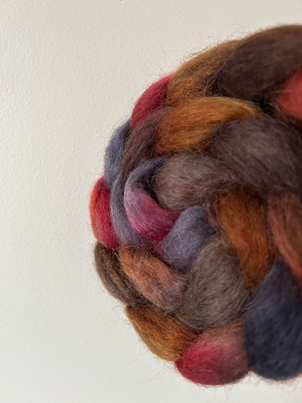
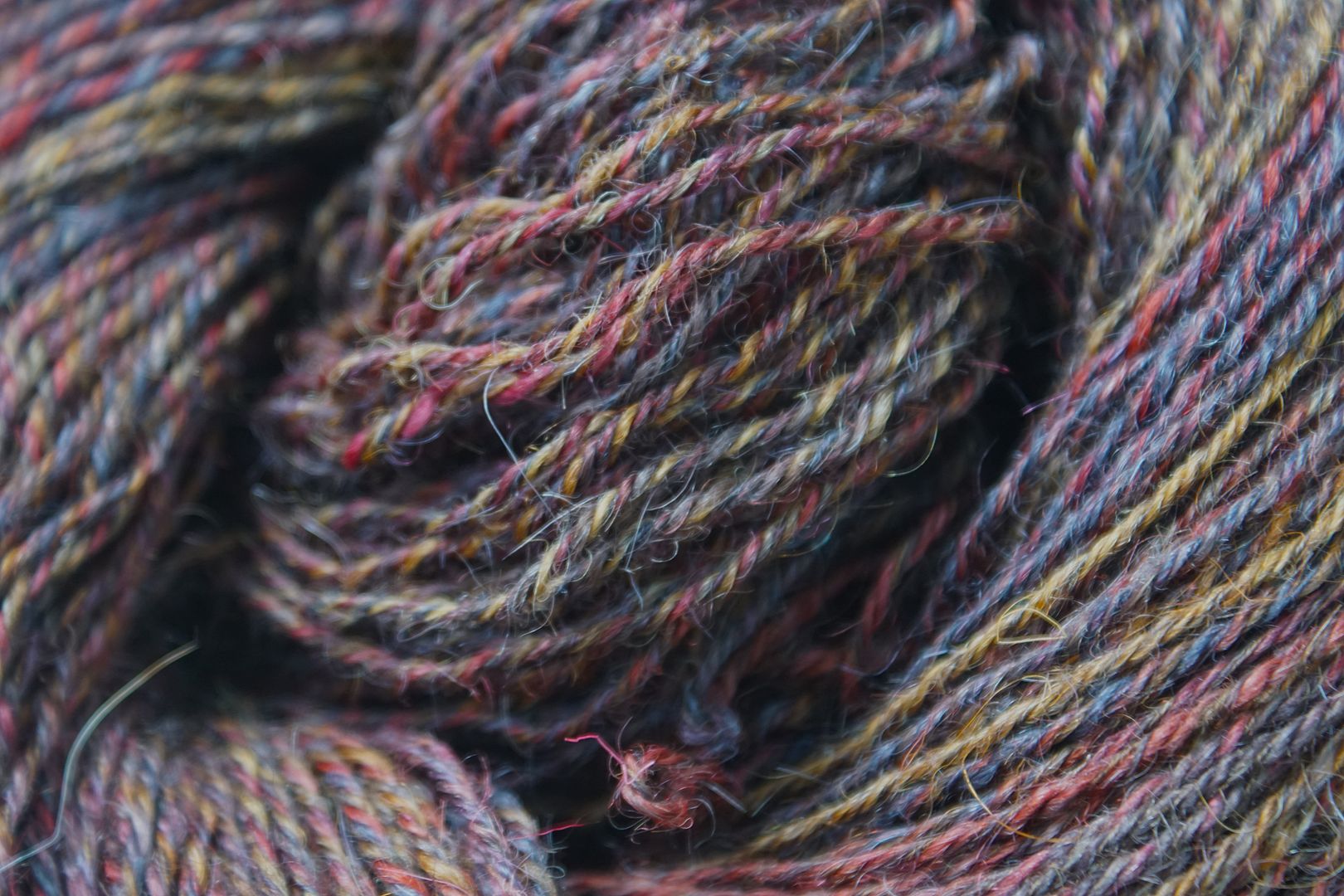
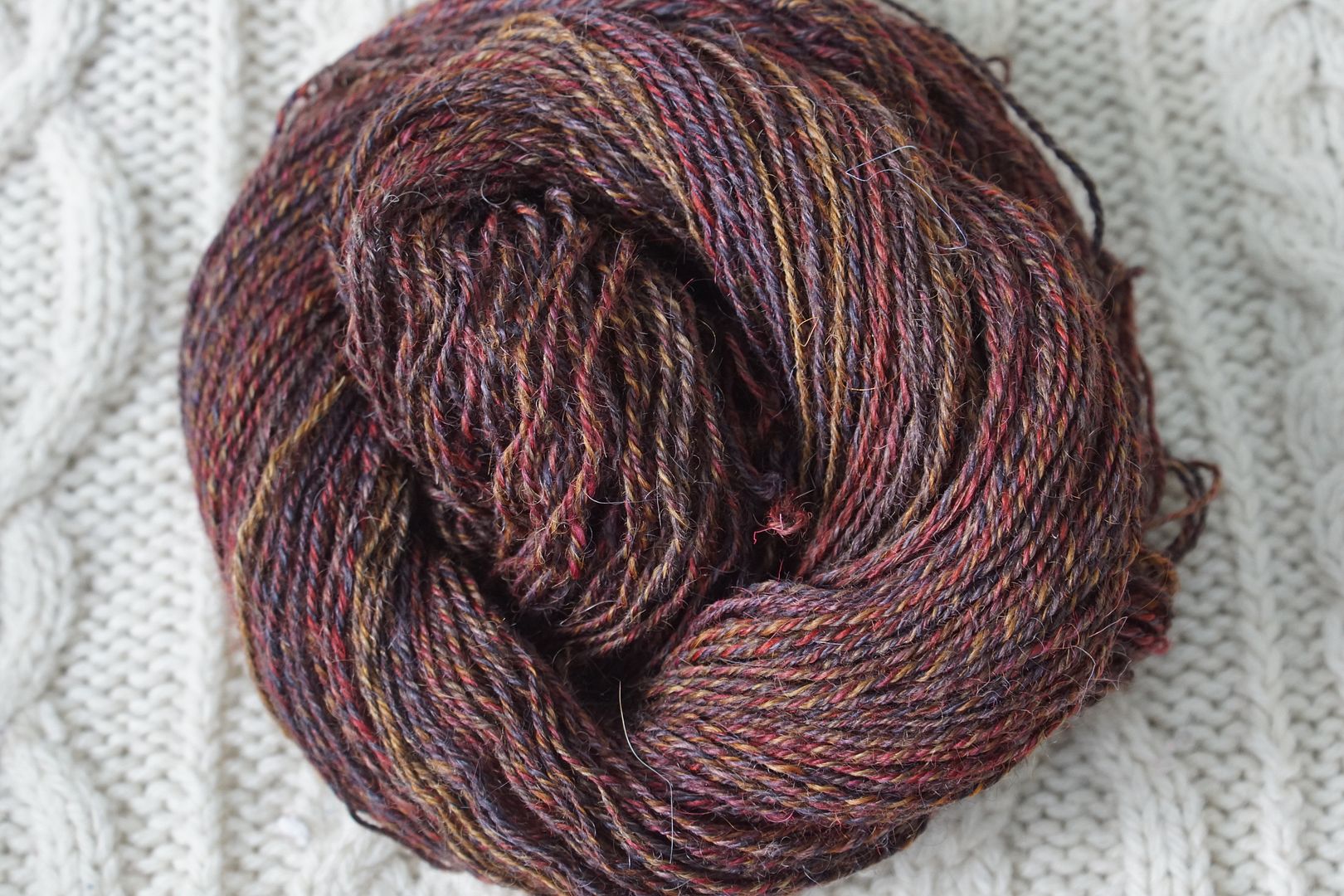
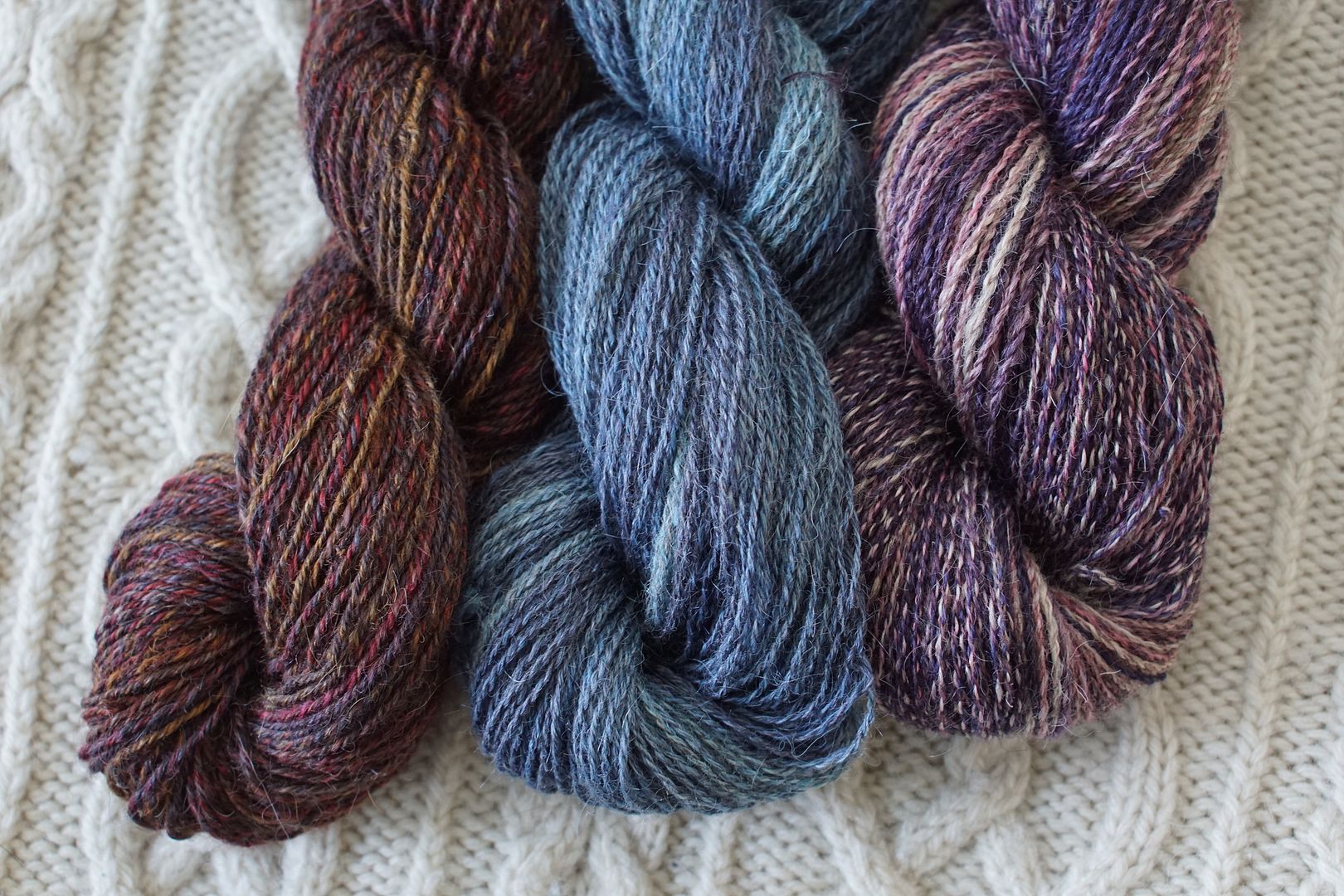
Meaghan dyed up three colourways all inspired by the theme of deep winter. This is the Fireside colourway (fibre photos by Rachel at Wool n’ Spinning). This dark, cozy colourway has browns, reds, oranges, and purple-ish greys.
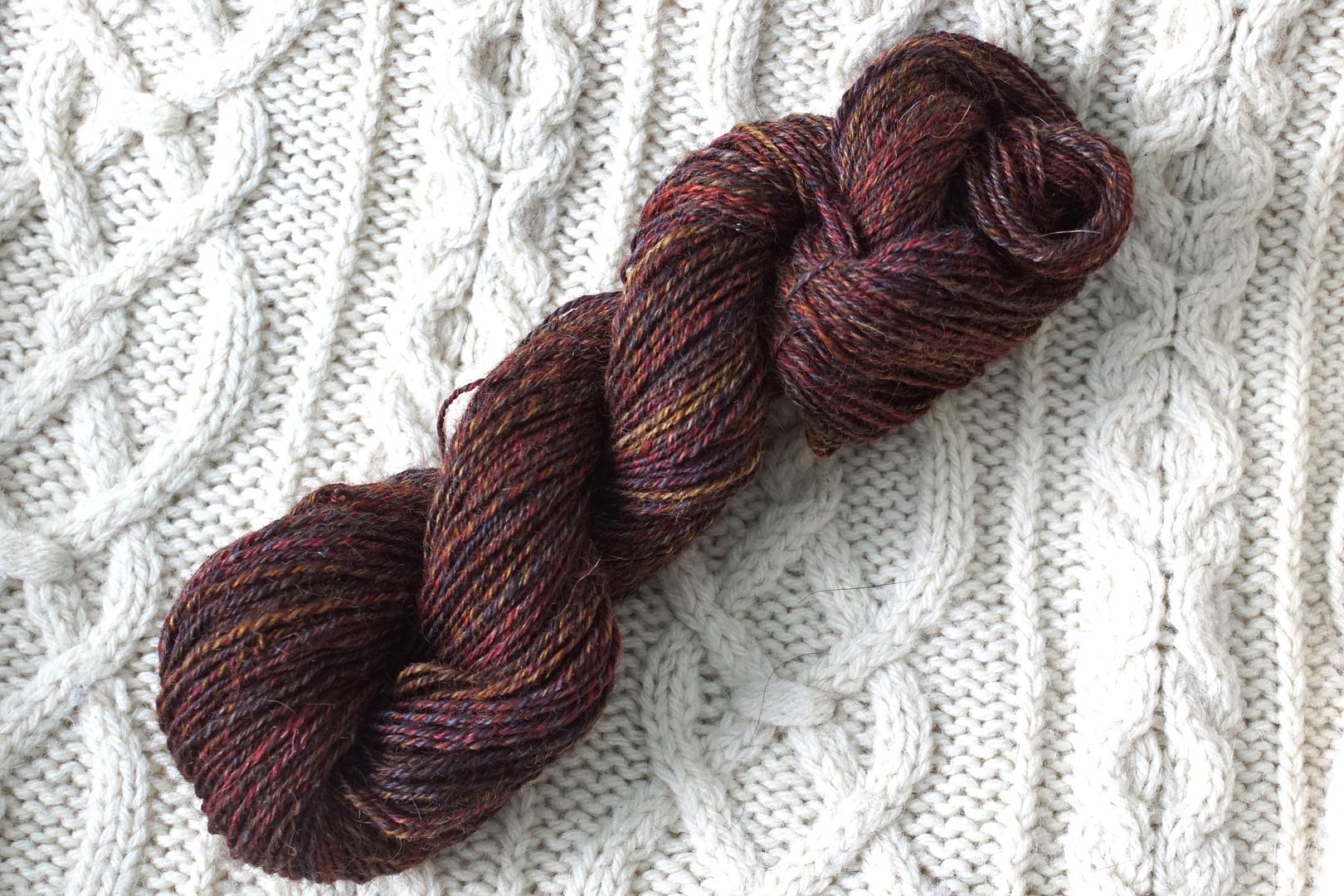
I had originally planned to make this a traditional 4-ply, but I was so inspired from our learnings about Opposing Ply yarns during our book study of The Spinner’s Book of Yarn Designs that I decided to make it a 4-ply. In Cohort 2, I made a 3-ply opposing ply yarn that has (spoiler alert) not biased. I thought Opposing Ply yarns always biased, but that was about me overplying the yarn I made rather than inherent bias. Opposing ply can be squirrely, but with only 1/4 of the fiber going in the “wrong” direction, and with the general preference of longwools not to bend, this skein looks pretty ordinary. If you squint, you can spy one of the plies that is tight and compressed among the others, but it’s hard to see!
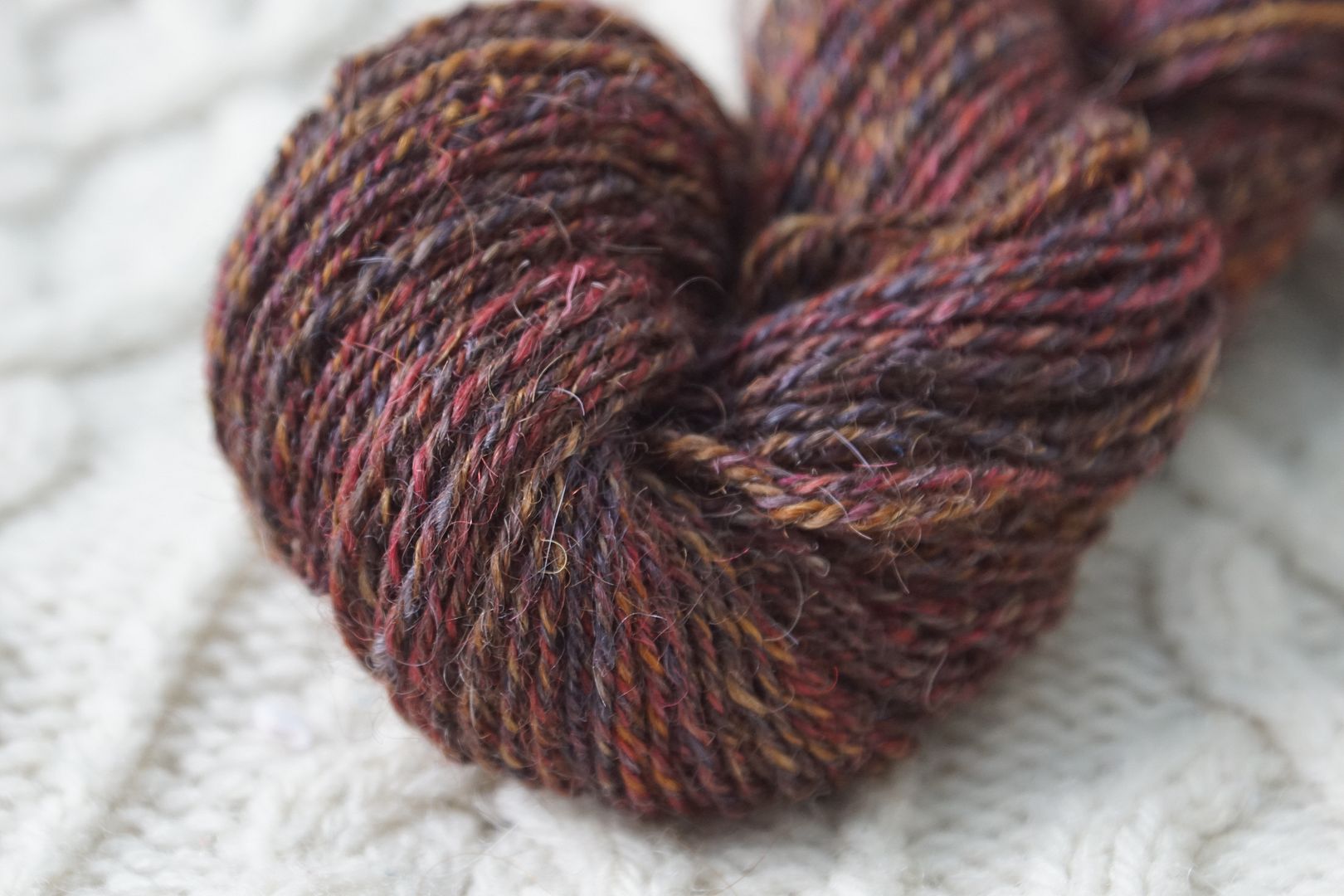
I made one mistake though – I should have spun the singles finer. I did sample off this braid and spun too thin, but then I overcorrected. As a result, I only have 200 yards of this skein, at around 16 WPI. I may not need much more than that, since it may knit up at a larger gauge than the others, but I might have to use another yarn for the cuffs if I run out. I expected lower yardage because these longwool fibers are quite dense, but this was lover than I expected. I corrected for the remaining skeins.
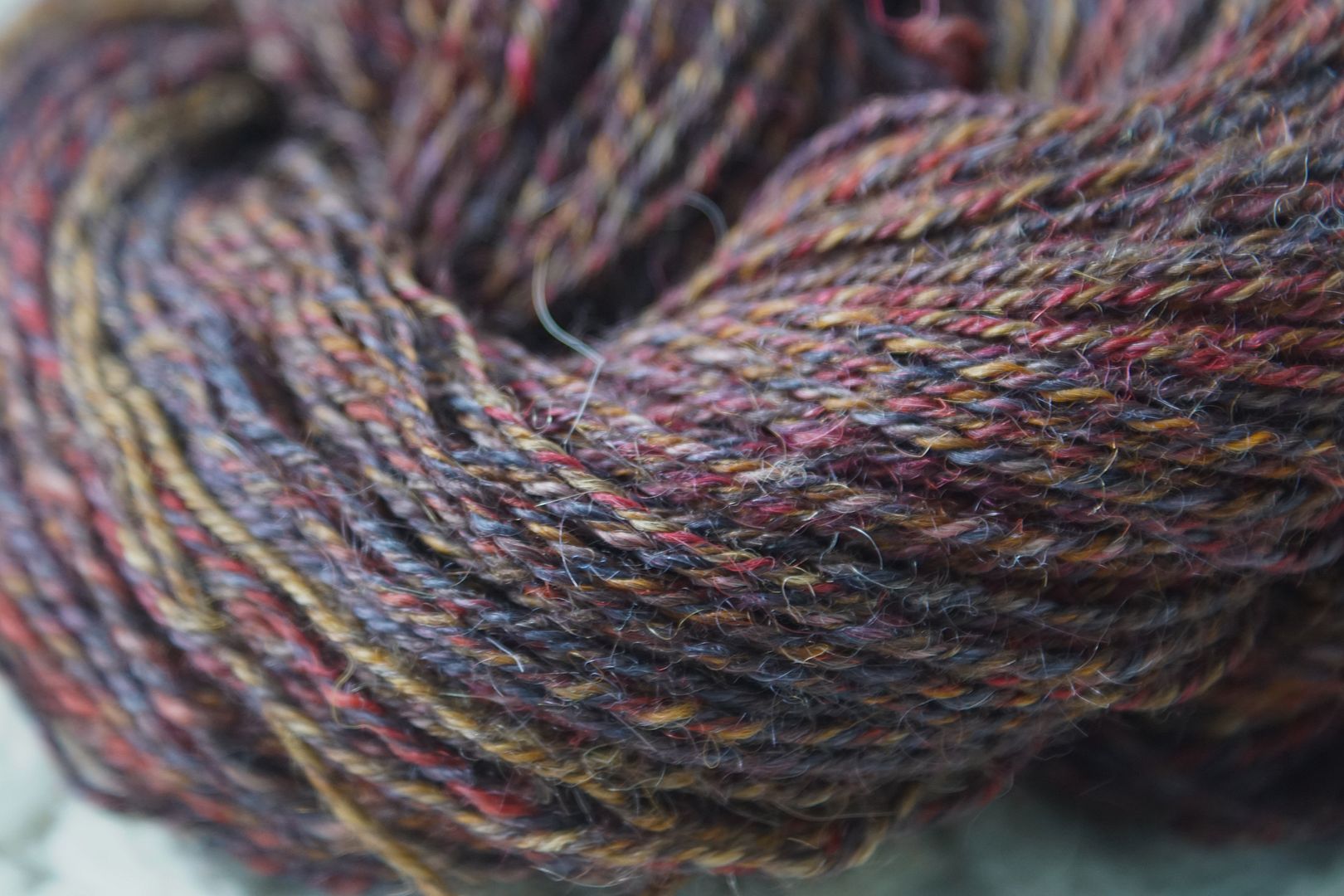
Colour management: For some reason, I wanted these colours to mix up randomly. Since they are overall fairly dark, I thought they might mix together into a sort of wood-grain feel. I was surprised at how the colours change based on how they line up, with plenty of power from the red and pops from the yellow. The real unique point is the dark grey, which is so much cooler than all the others, feeling really sooty.
The Stats:
Weight: 3.3 oz / 95 g
Yards: 201 yds
WPI: 16
YPP: 967
Deep Freeze: 4-ply Hawser
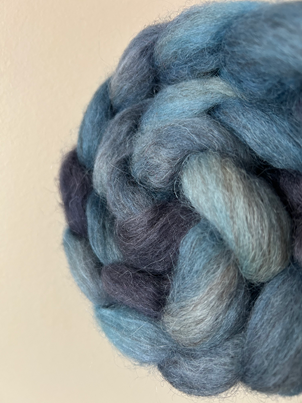
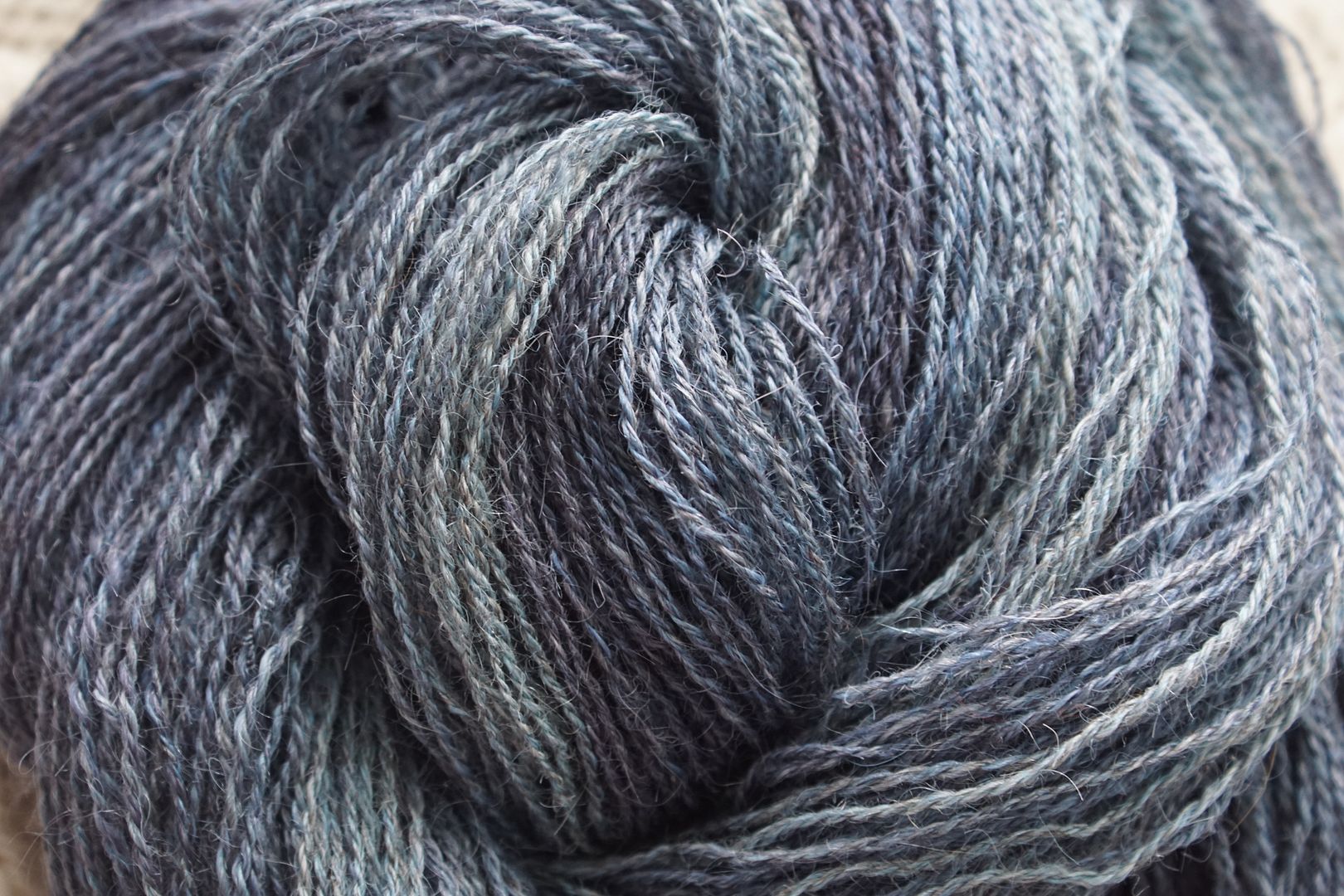
This colourway, Deep Freeze, pleased me to no end. It is an almost monotone set of grey-blues in different shades and tints. It does have some bright sky blue in there, and the darkest colour is a bit purple-ish. When I look out on my winter landscape on a clear day when the sun is low, I don’t see white – I see a series of blues. This is definitely my deep winter vibe!
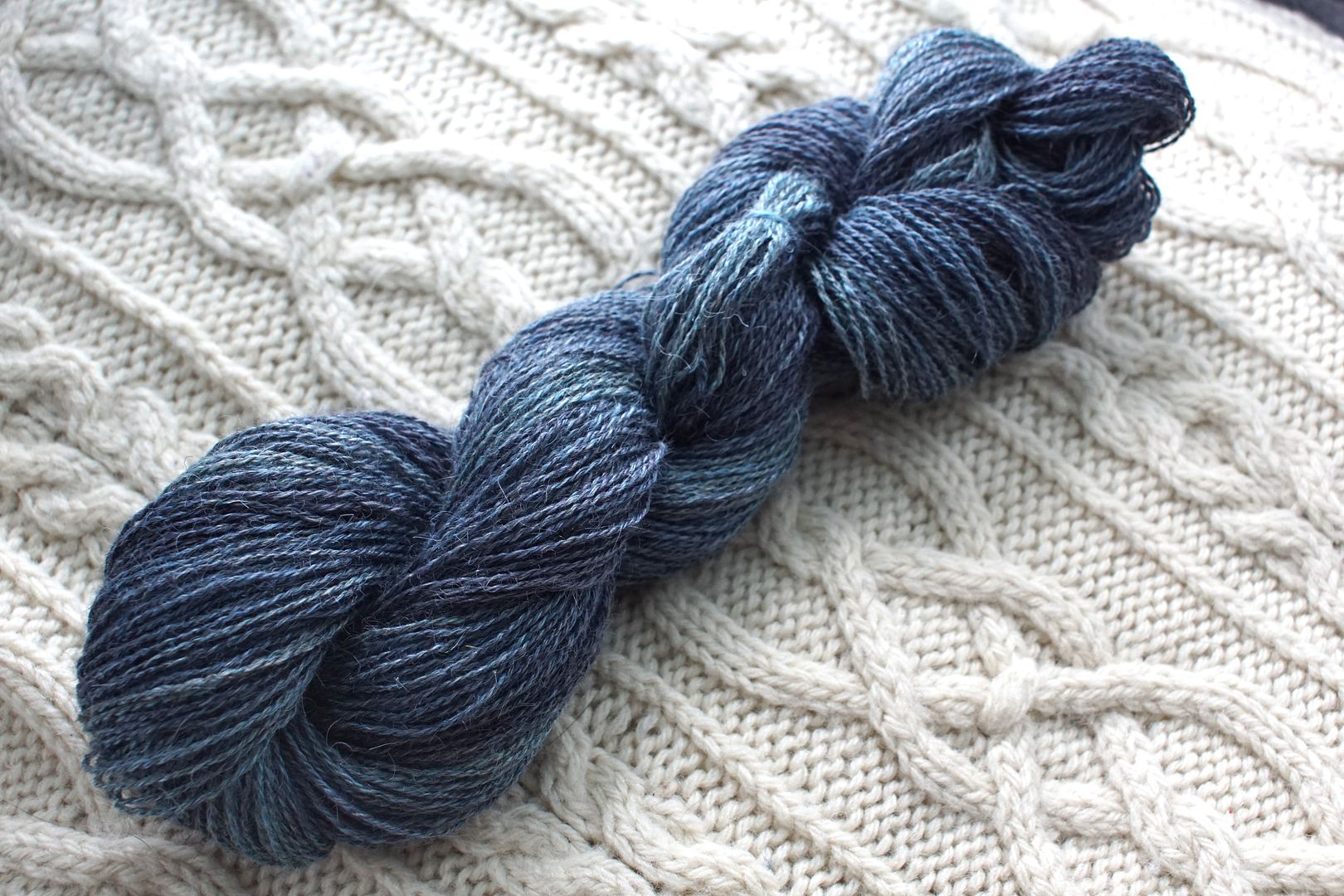
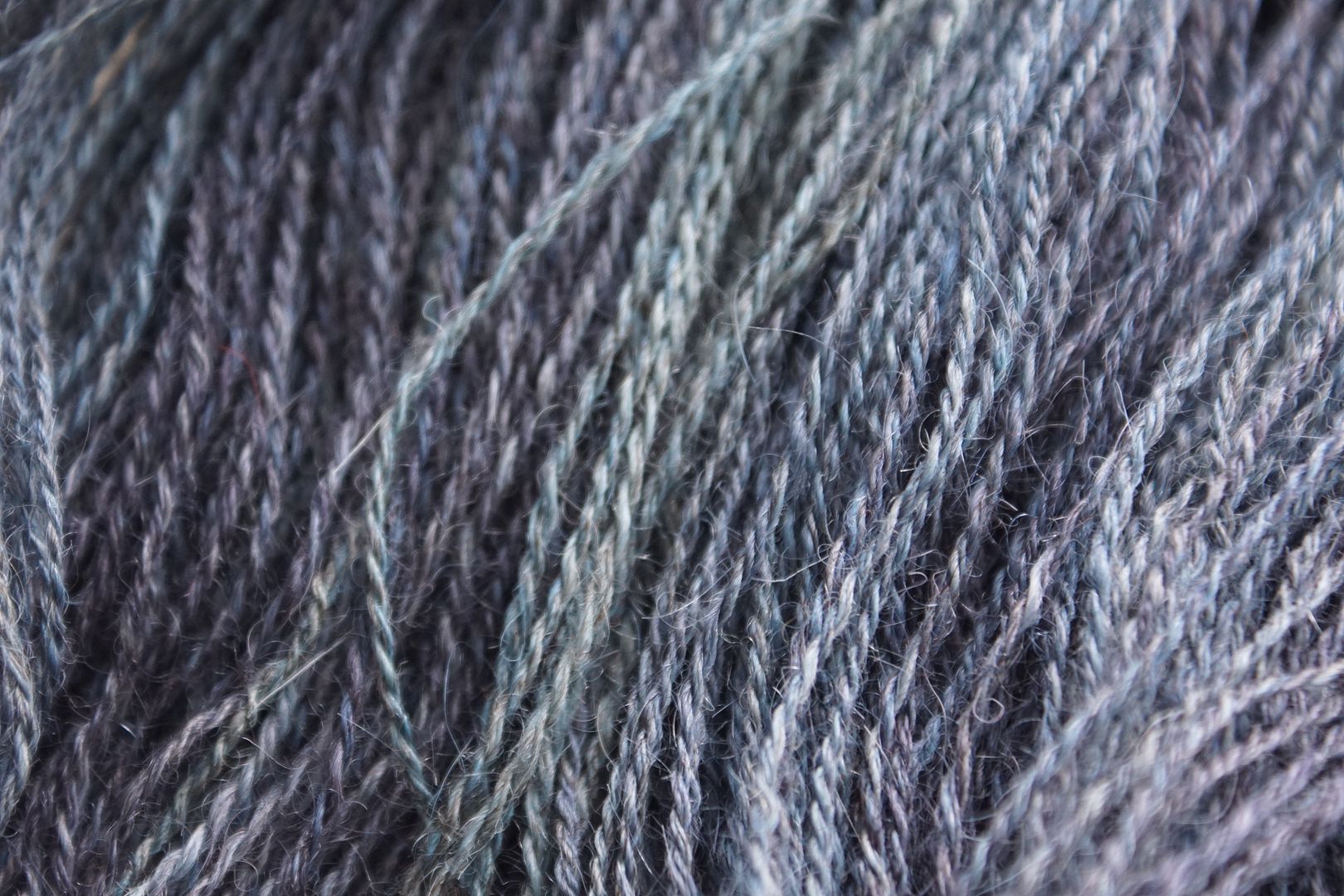
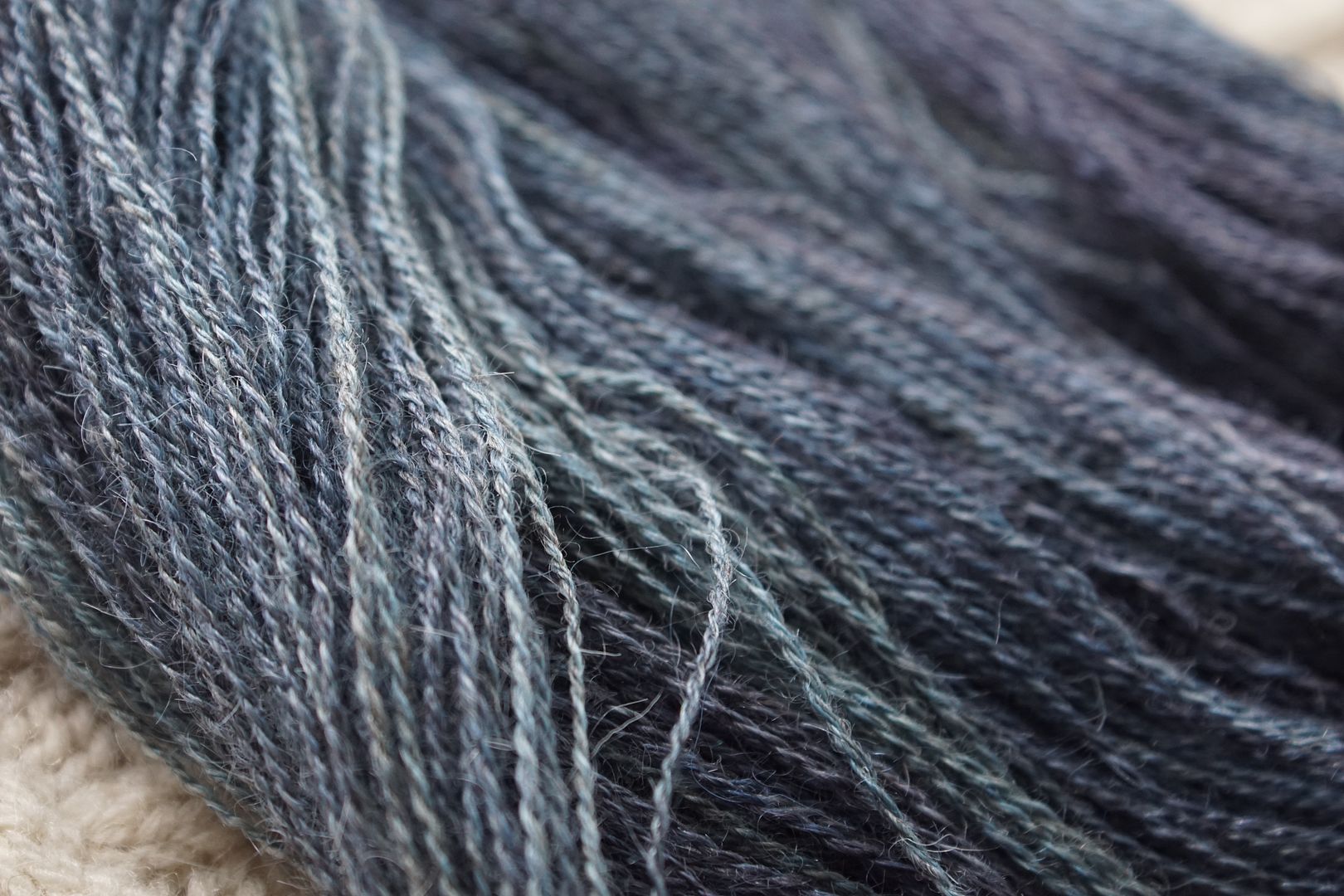
I’ll talk about colour handling first, because I jumped through quite a few hoops to get the colours you see before you. You can’t tell, but this skein will knit up into two gradient socks. I was able to do this quite easily, in fact, because the braid broke up almost exactly into eight pieces that went from lightest sky blue to darkest grey-blue. I spun each one to a bobbin, up-plied them in pairs, then did the final plying in pairs, and got two skeins with matching colours. This will be much more impressive when I knit them up, I promise!
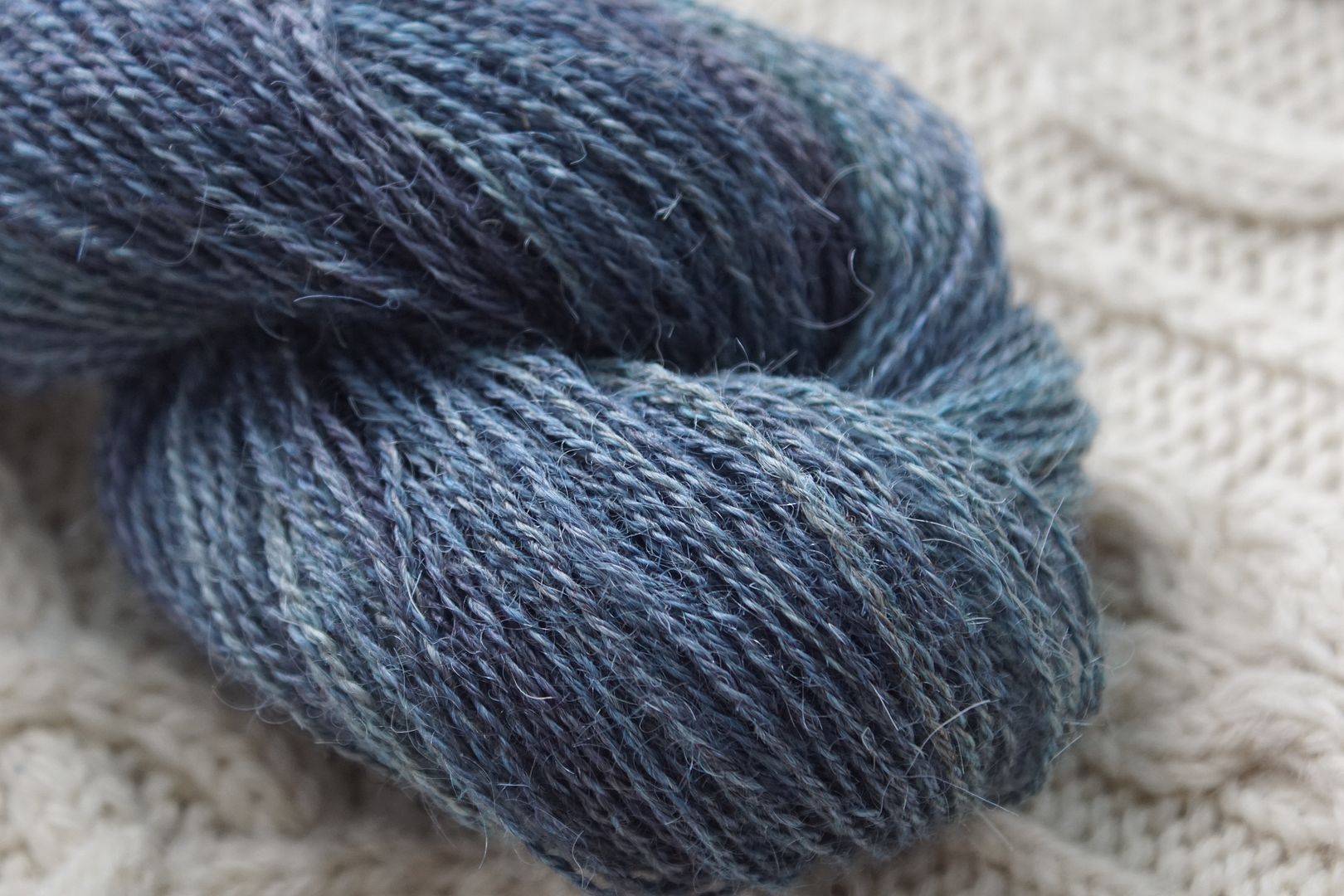
The Hawser structure is an interesting one. I kept the twist fairly light at all points, being that it’s a longwool. From a distance, it does have a 2-ply look to it, but zoom in and you can see the pairing of plies spiraling around each other. Longwool is not particularly elastic, so I doubt much elasticity will be added by this structure to the final fabric, but we’ll see. This was an exercise in doing something cool because I can.
The Stats:
Weight: 3.6 oz / 100 g
Yards: 267 yds
WPI: 18
YPP: 1204
Winter Morning: Crepe
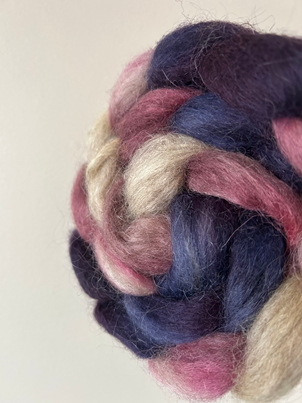
This gorgeous colourway had the most stark variation in value, from the lightest light – possibly even undyed – to the darkest darks. Rosy pink and darkest purple are two of my favourites.
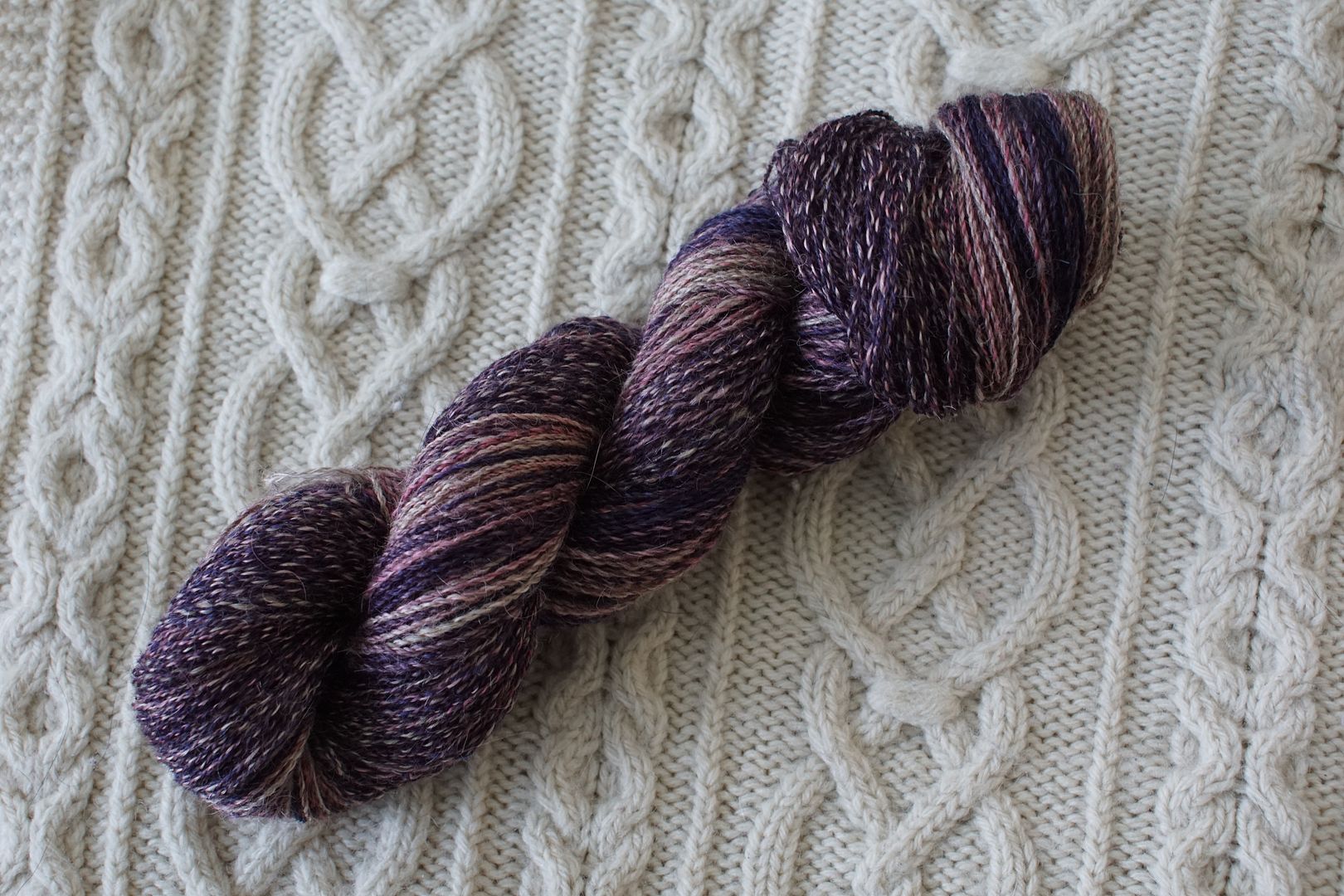
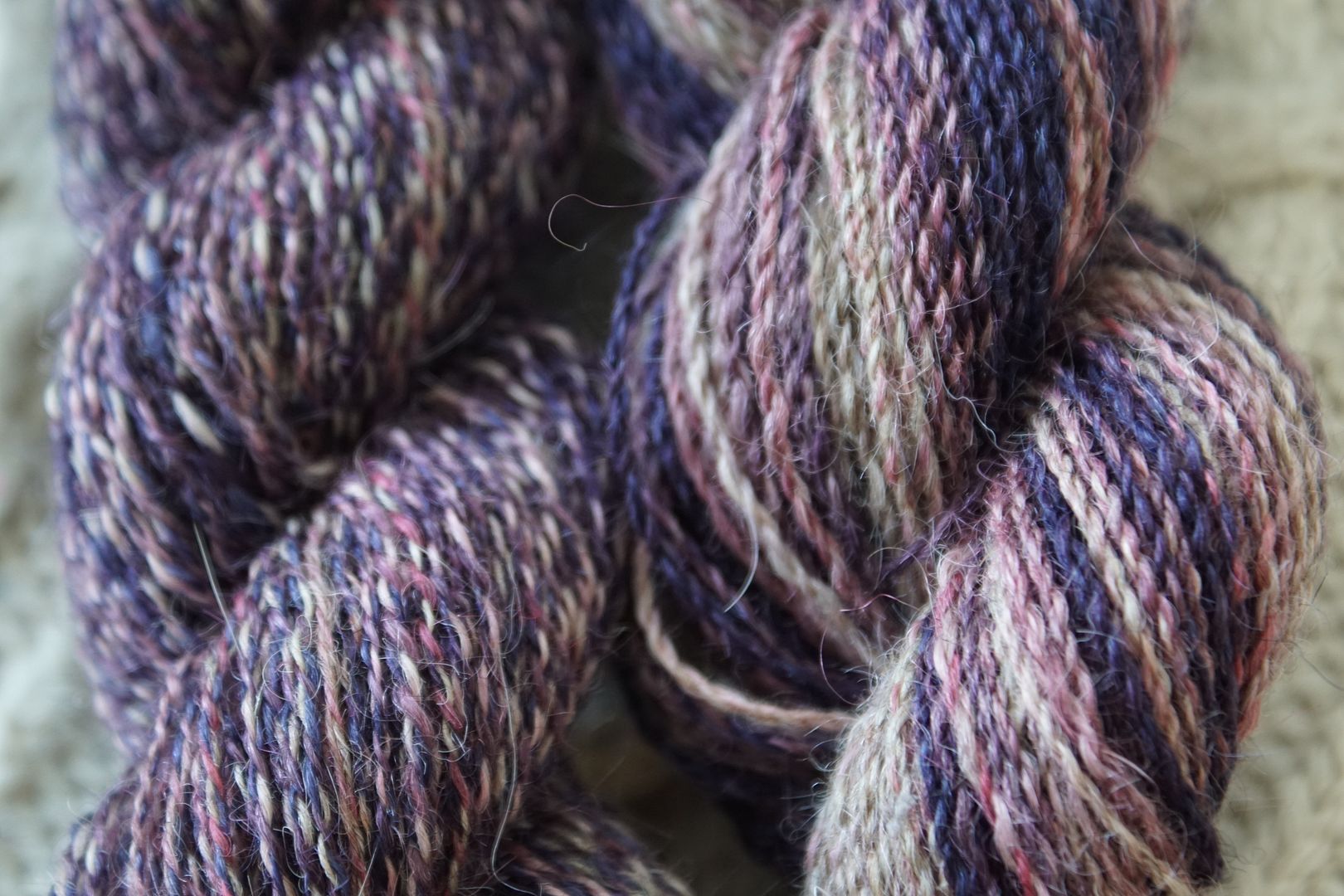
Since this was my last official Bleed Bred and Colour Study spin, I decided to handle these interesting colours two different ways. The skein above is actually two skeins, as you see below. For the top one, I lined the colours up in plying – a bit of a brain-bender with crepe, but I managed it. The colours overlapped a little bit, but I like that even better than the absolutely pure, crisp colour separation in a chain ply. For the bottom skein, I ripped the top up into three equal piles: the darkest shades, the lightest tints, and the middle pinky-purples.
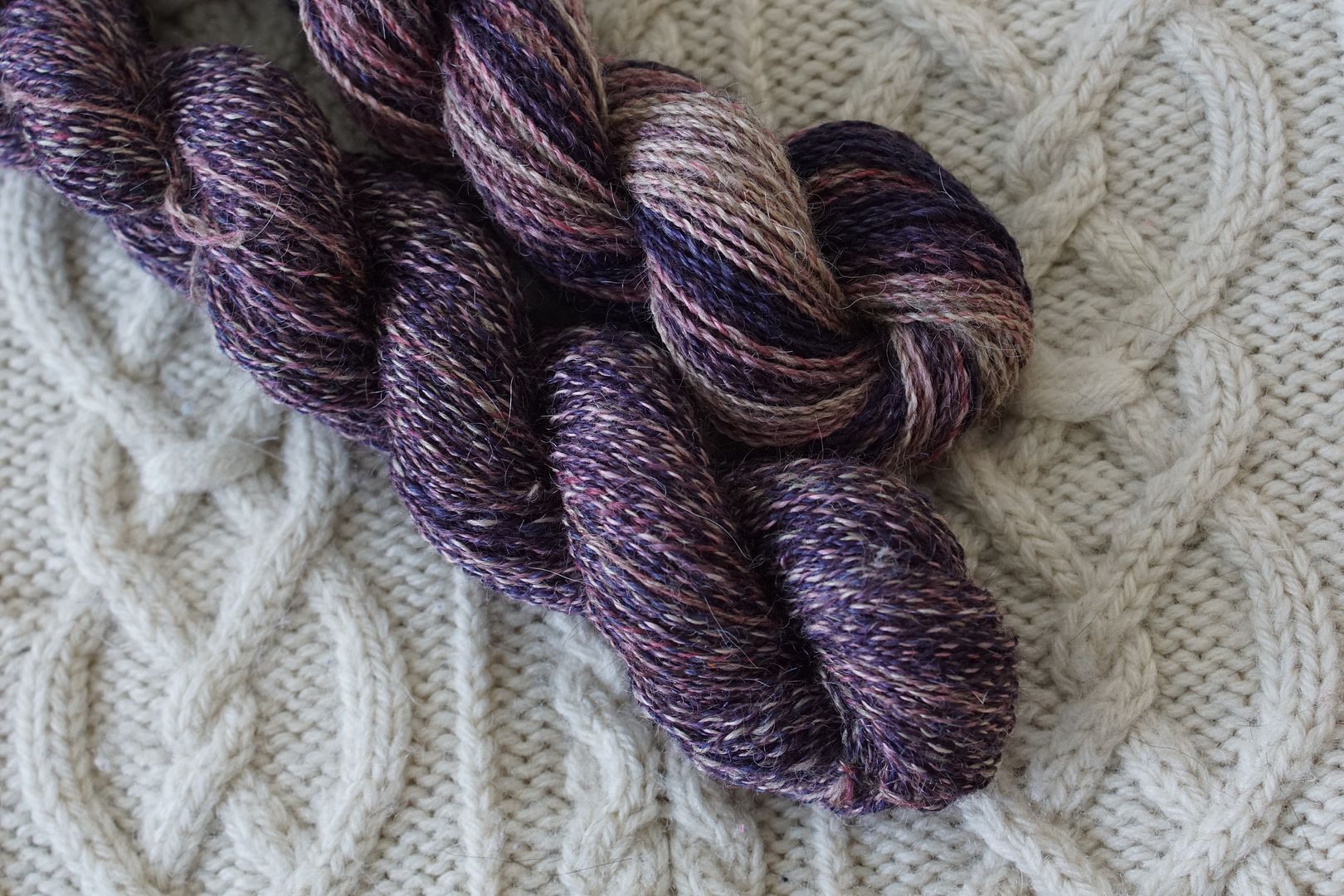
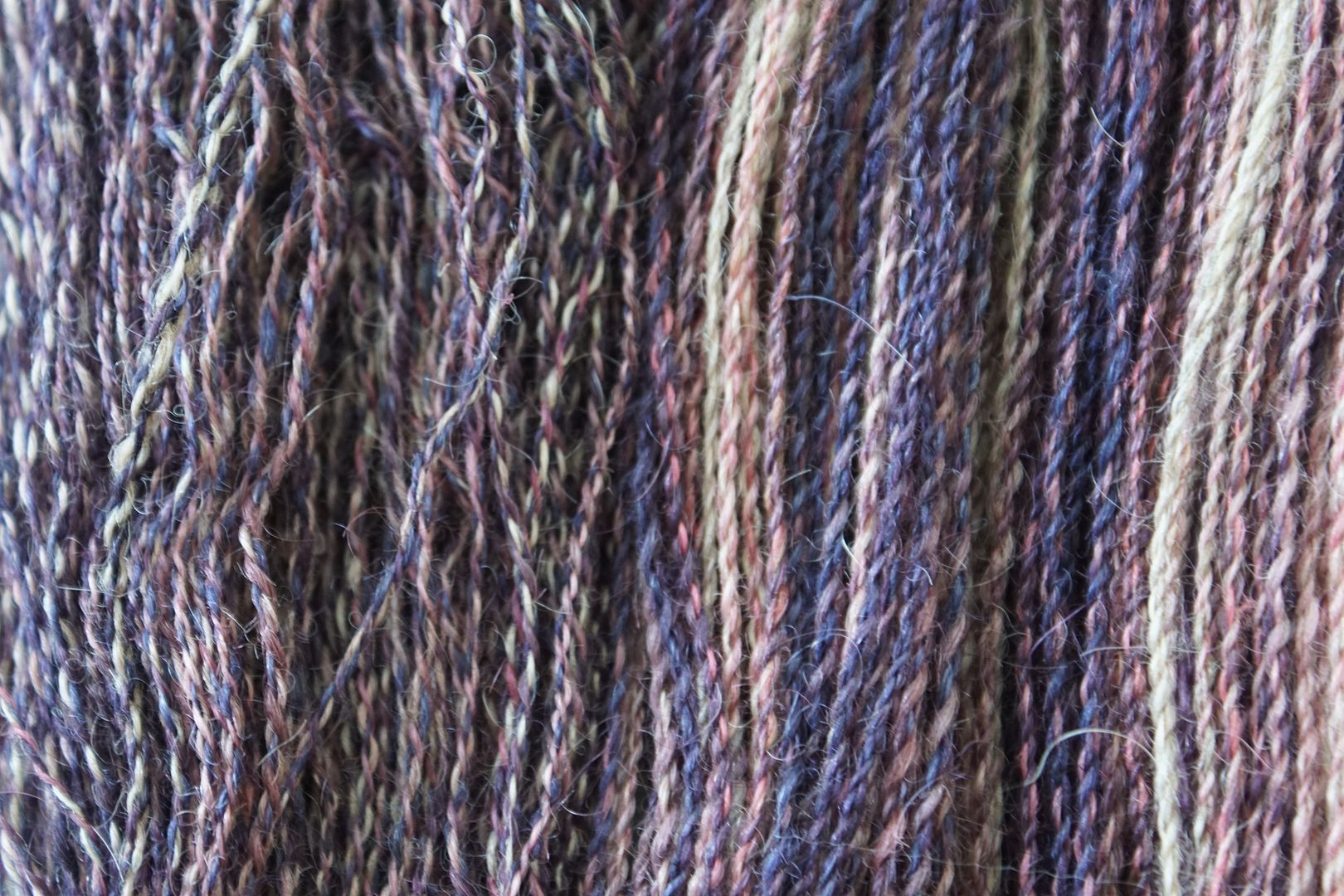
Crepe is a very fun structure to make and to look at. It’s like a cabled yarn, but with one single plied against an over-spun 2-ply. Can you see it? The single stands out a little bit, appearing larger than the other two strands. In the yarn on the left, I put the middle colours as the single, and plied the darkest and lightest together. I thought this would put more emphasis on the middle shades that I like so much. Instead, the lightest values popped the most, and the pinks receded. In the lined-up skein, at least there are areas of cleaner pink and light purple, so they have more time to shine. These will knit into interesting fraternal socks.
The Stats:
Weight: 3.6 oz / 103 g
Yards: 278 yds
WPI: 16
YPP: 1224
This might have been the end of the study, but I have a surprise bonus round for you.
Bonus Round: Hand-combed Blend
It just so happened that I had Wensleydale, BFL, and Mohair in my stash in fleece form. I also had a new-to-me hackle. I blended said fibers together on my hackle. You can watch the whole process on my takeover episode of Wool n’ Spinning, episode 312.
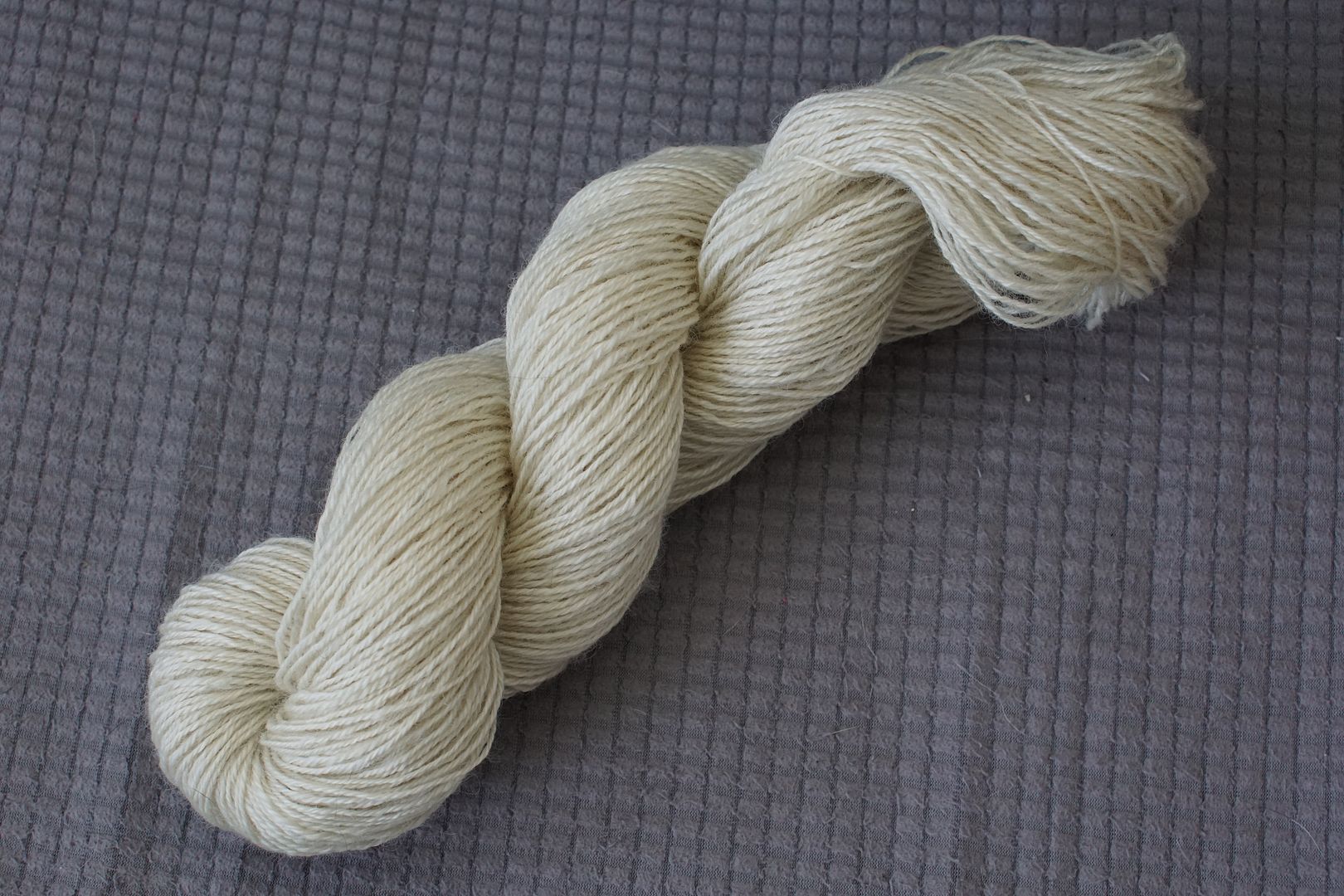
The resulting top was challenging to spin, since it combined very long Wensleydale fibers with medium-length BFL locks and short mohair. But, though it took careful drafting, the prep was still pretty dreamy, like a deep breath.
I spun this into a simple three-ply. It is noticeably smoother and shinier than its commercial top cousins, which had a tendance to shed hairs. There’s just no beating hand-combed top for smooth drafting – it’s the epitome of worsted, and being fresh prep, it tends to hold its air. I can also be more sure that the direction of fibres is consistently butt-to-tip, making for more smoothness and shiny-ness.
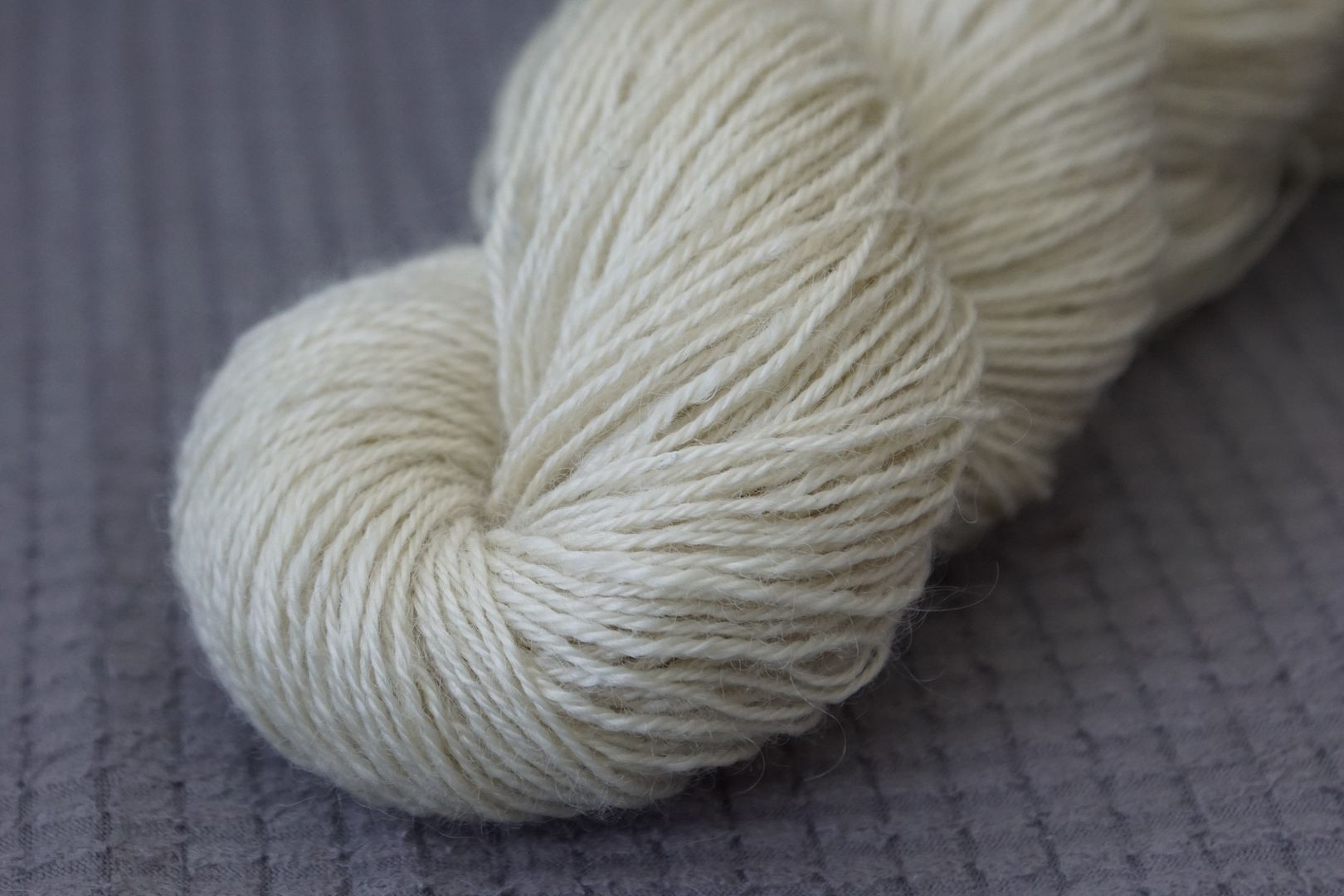
The Stats:
Weight: 3.8 oz / 108 g
Yards: 290 yds
WPI: 18
YPP: 1221
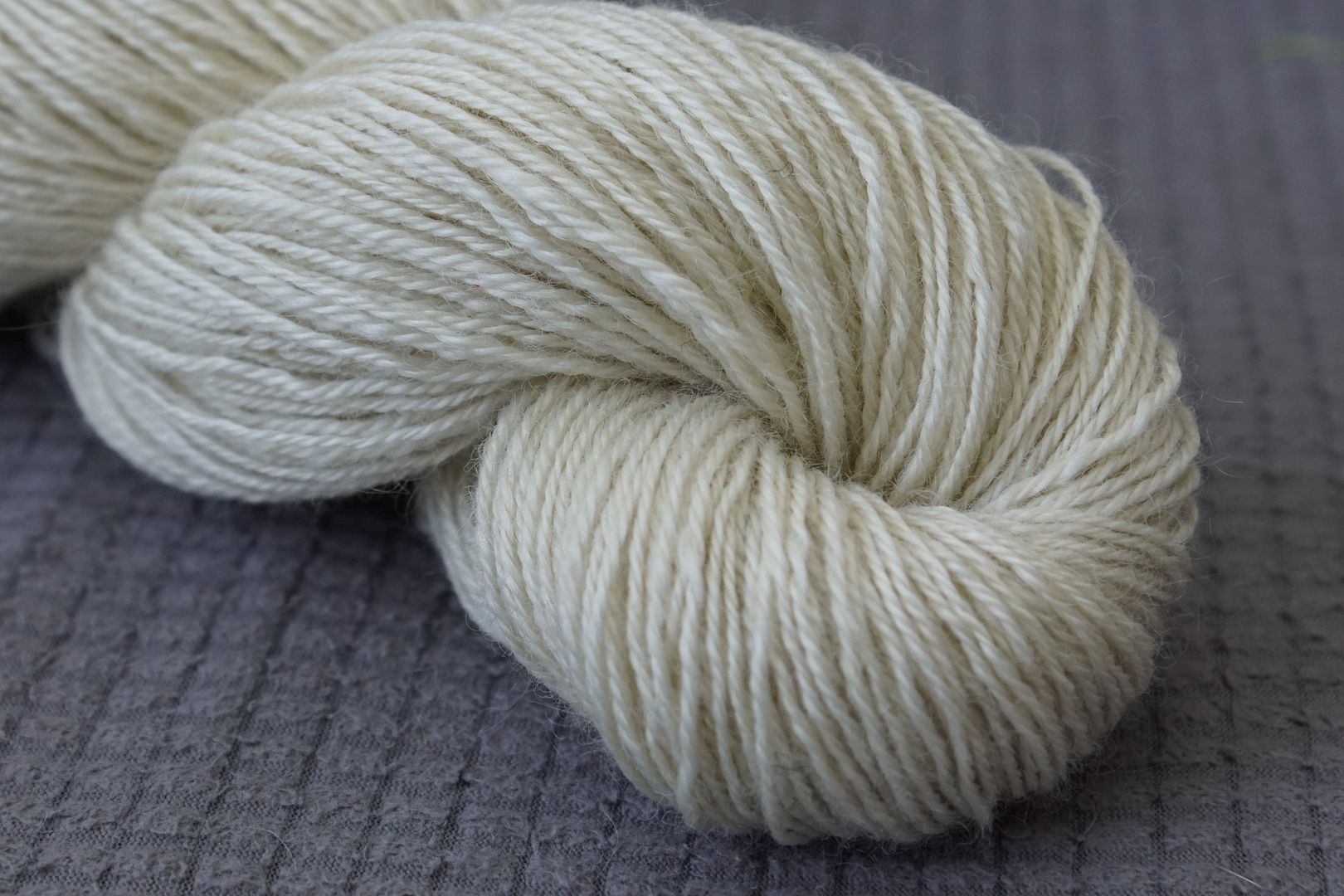
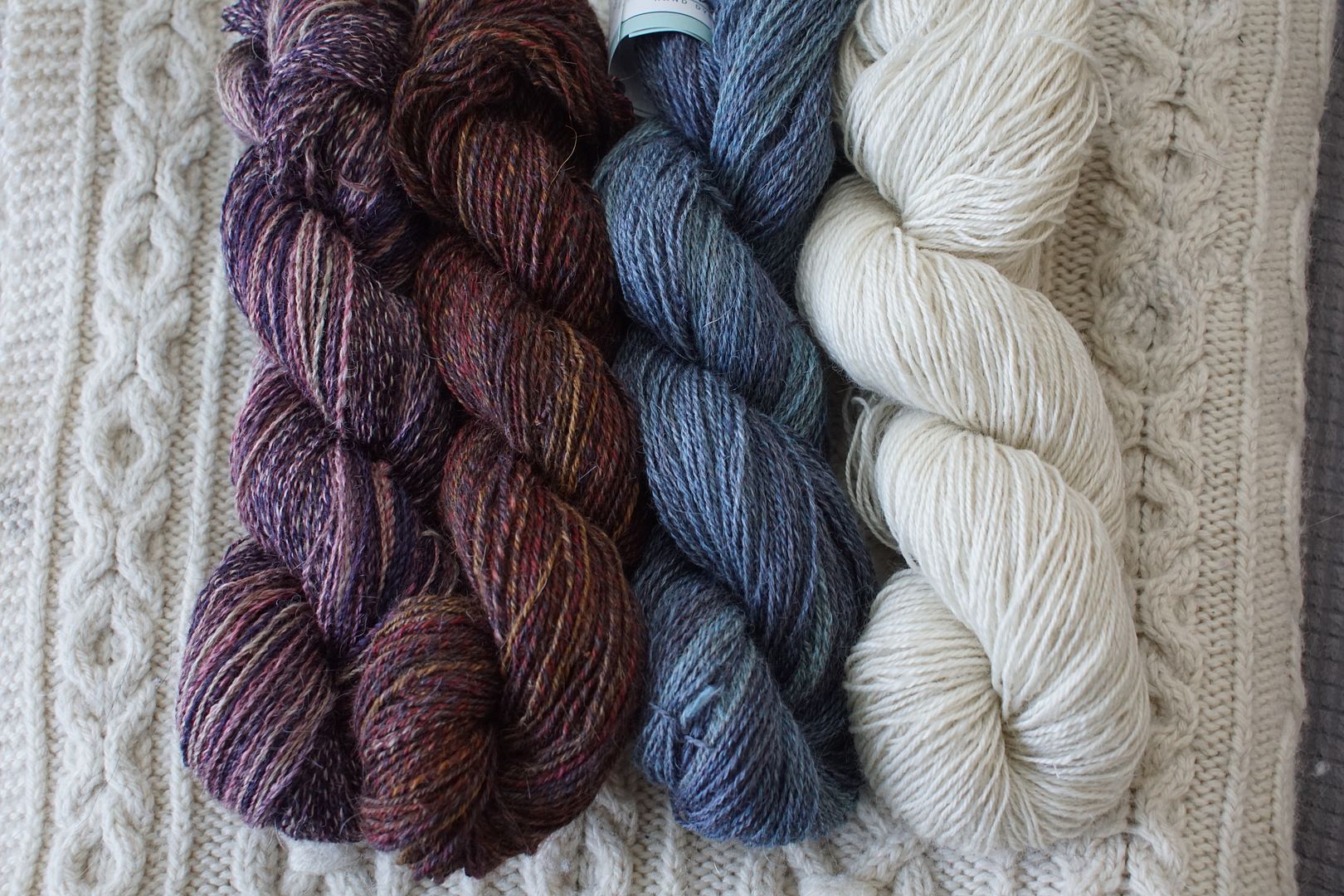
As you may be able to tell from the statistics, all of these yarns are quite dense. None are very elastic. But I kept all the twist angles fairly gentle. They will tighten up a bit in the knitting, but hopefully not so much as to be wiry. I hope to skein these up and knit at least some of them while we are traveling this summer, and add them to the wear test rotation. They should definitely be warm!
 Osborn Fiber Studio