I had to take a break from these posts because, um, it takes a lot out of you to wrangle yourself and your family and two months of souvenirs across an ocean. And then to connect with your family again, go to a reunion eight hours away, and then wrangle everyone back into another country. I know you won’t mind, though, if these posts keep coming out in a slower drip. How slow? I don’t know. Here’s another one, at least, and it’s a big one!
Jared had One Thing he wanted to do during our time in Ireland, and that was to walk the St. Patrick’s Way pilgrimage trail.
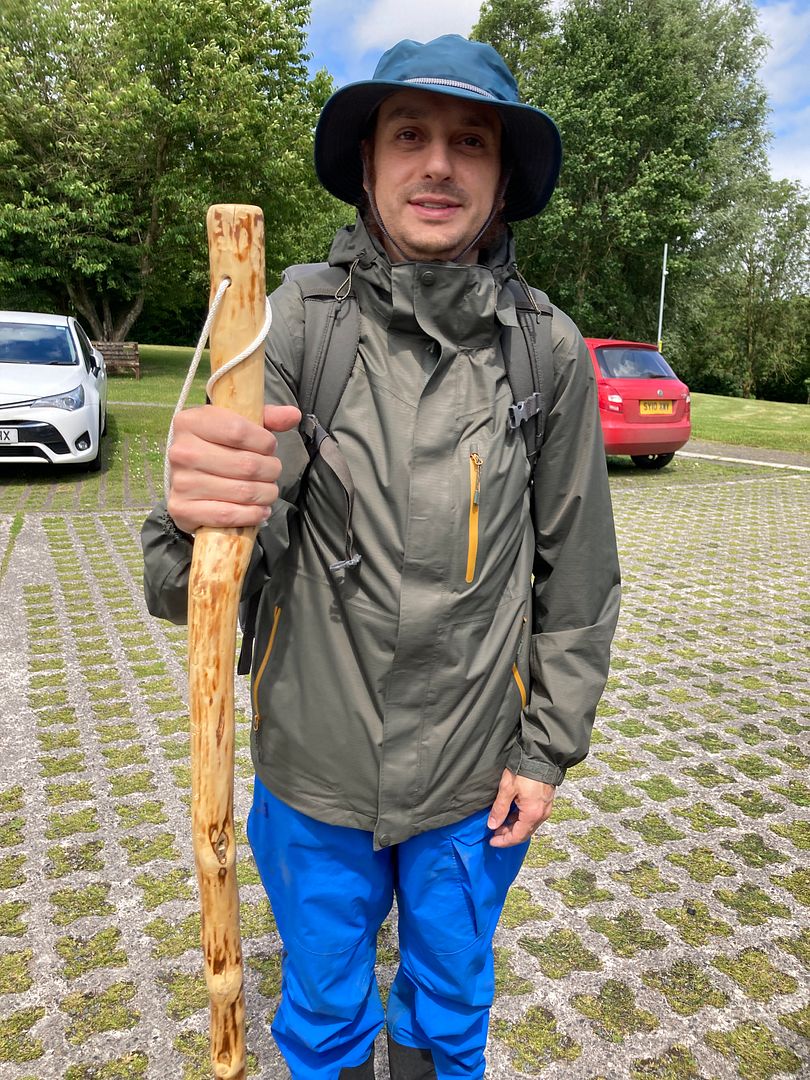
This is an 8-day, 89-mile walk. It starts at a place significant to the beginning of St. Patrick’s ministry, and ends at his burial place, and in between you see farmland, mountains, and coast.
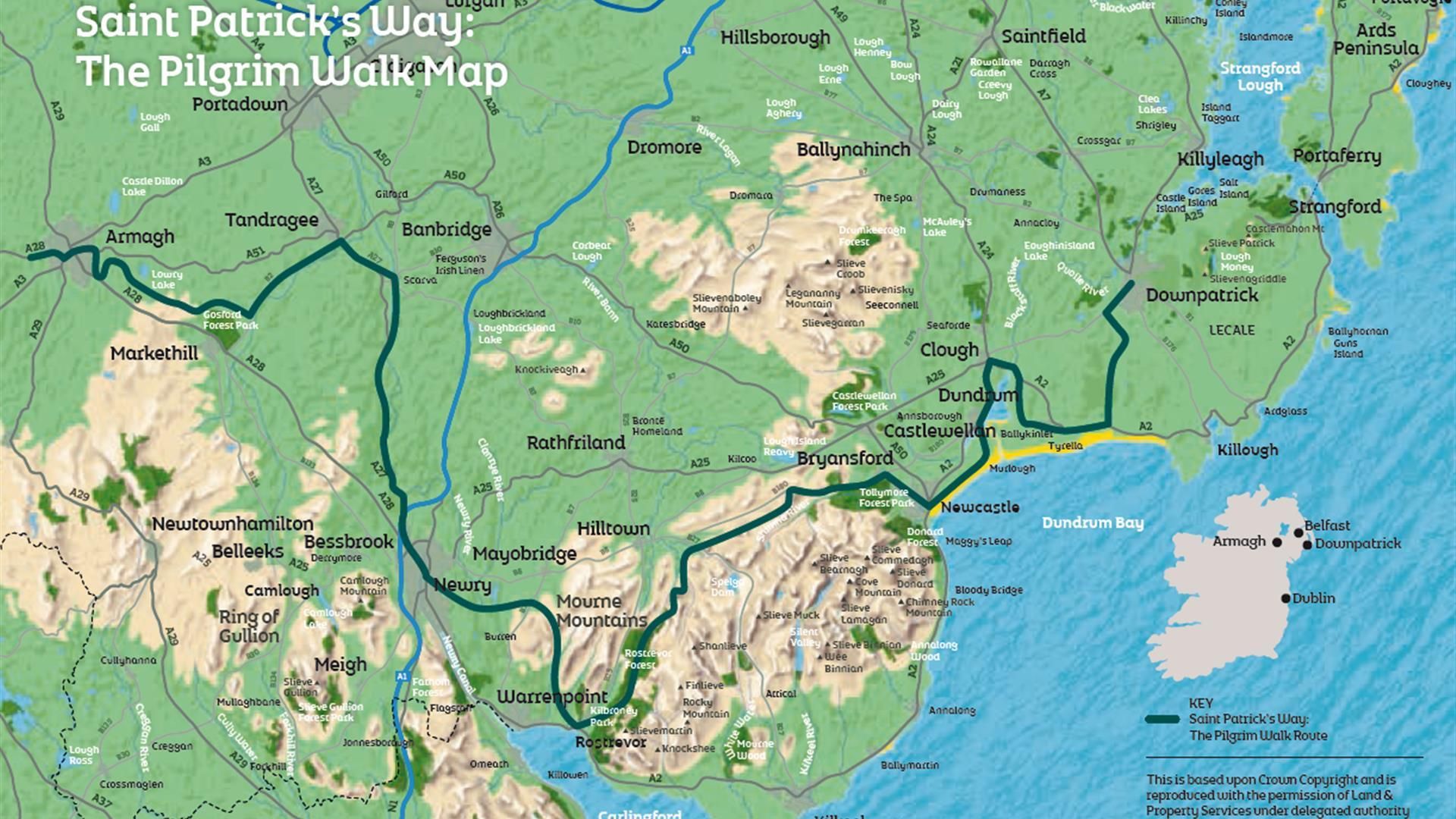
Not all of the stops along the way, however, had places you could stay the night. And Jared did not have the kit to backpack it, nor would it have been wise for him to attempt it by himself anyway. This meant that I did a lot of driving between our home base, just off the top of this map, and various places along the way. We realized by the end that this was kind of foolish, and too much to put on me and the kids. We had to do some work by the end to process how hard it was, and how we would have done things differently. However, in this post I am going to focus on the upside, and not on the grumpiness that we had to navigate along the way. And that upside is, the girls and I got to see lots of the beautiful places that Jared did.
Navan Fort
The journey started in Armagh (sounds like “arr-ma”) at a place called Navan Fort. Armagh is now known as the ecclesiastical capital of Ireland, but its spiritual history goes back long before Christians came to Ireland. The Navan Centre is really focused more on that pre-Christian history. This was fascinating on many levels. We got to attend a living history demonstration about Celtic life, which was quite memorable! And learn about why this particular spot, somewhat misleadingly called a fort, was of such spiritual importance already that it made strategic sense for Patrick to start preaching there.
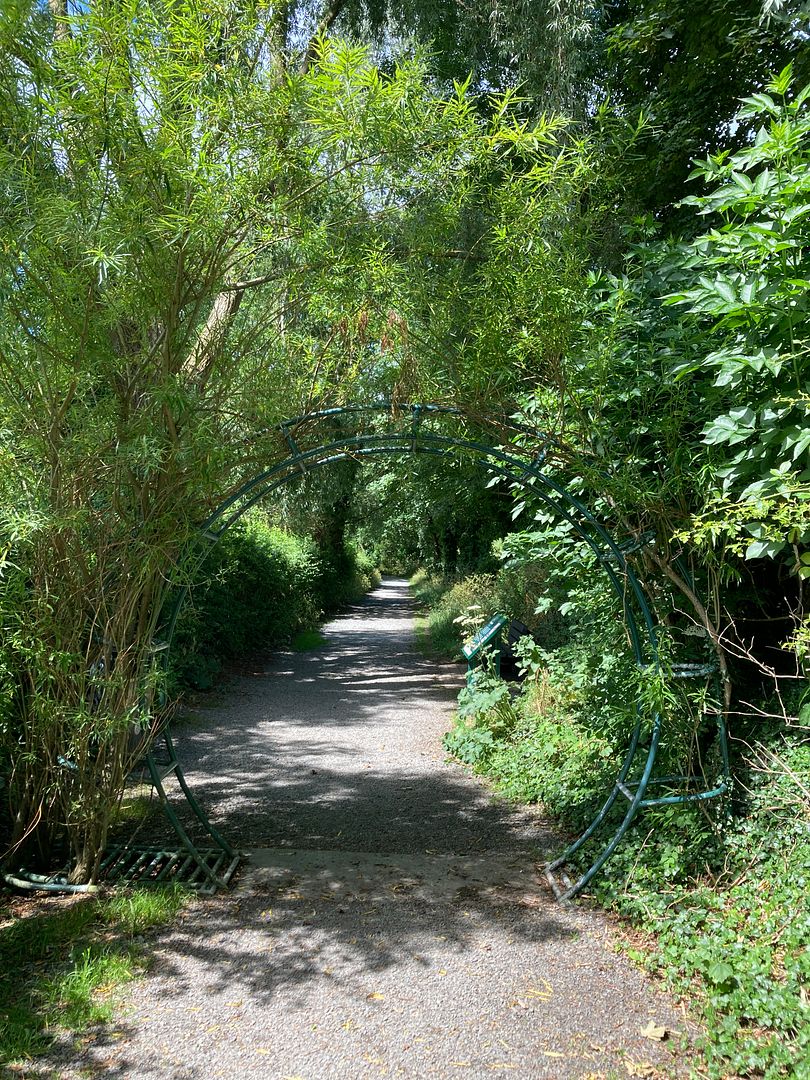
I’ll take you first to the Fort itself. The name “fort” is misleading – this was not a military encampment of any kind. It’s a mound, as you see here.
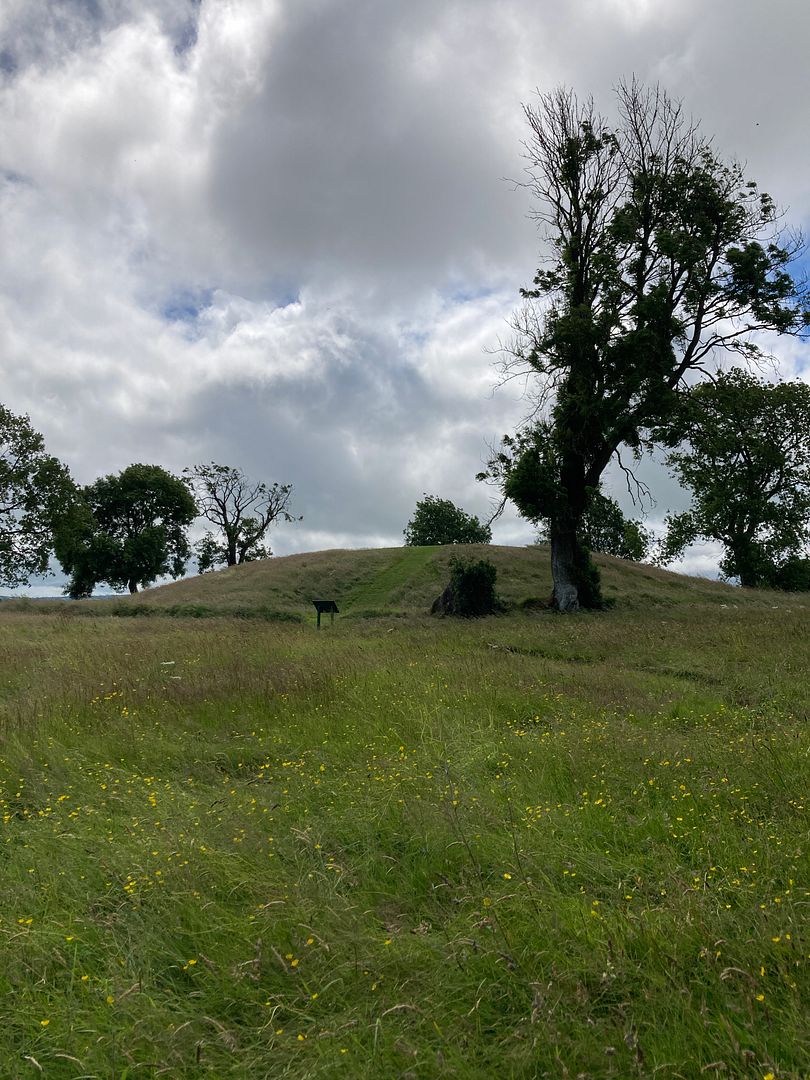
It was excavated some years ago to find a huge stone cairn, with holes indicating that it it had wooden columns which had been burned. Archaeologists now believe that this large structure was not built as a dwelling, but as a ceremonial site, and that perhaps the whole thing was burned with animals and other offerings inside.
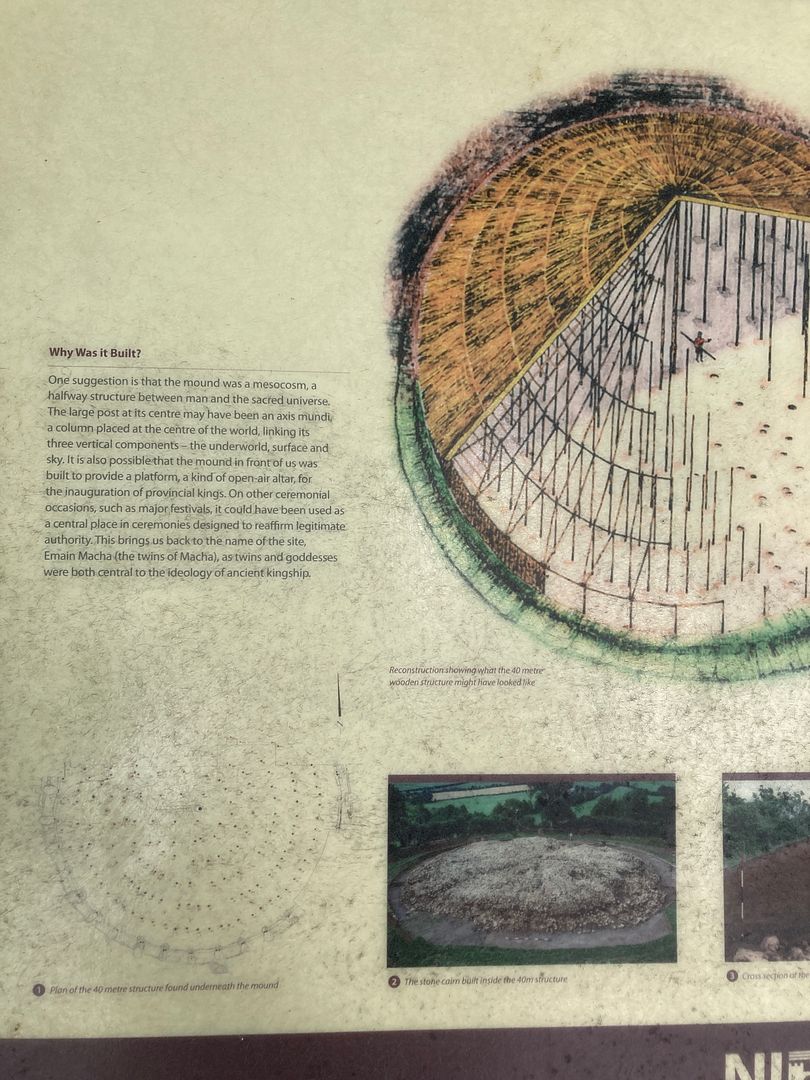
I’ve been to archaeological sites of spiritual significance before – there are loads of them in America. But this was the first one I’d been to that belonged to something closer to my ancestors. Christians just arrived here a lot sooner. And, as observed in one of the books about St. Patrick that Jared read, when Christians show up, they start writing things down.
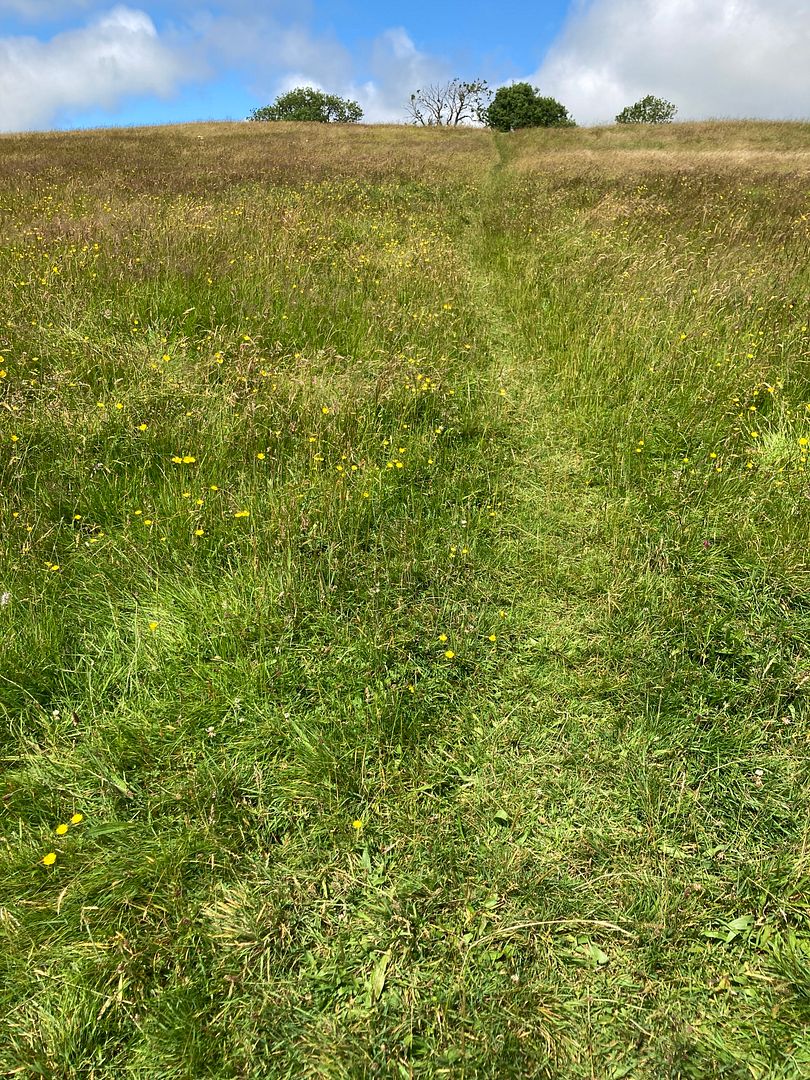
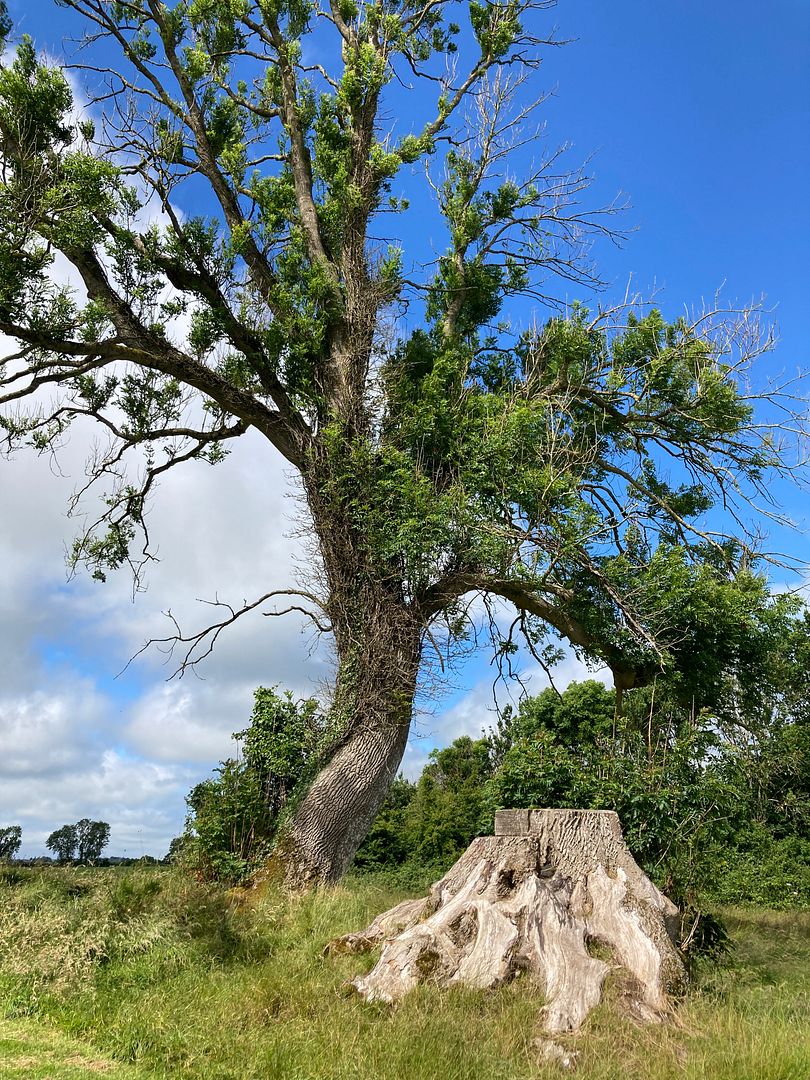
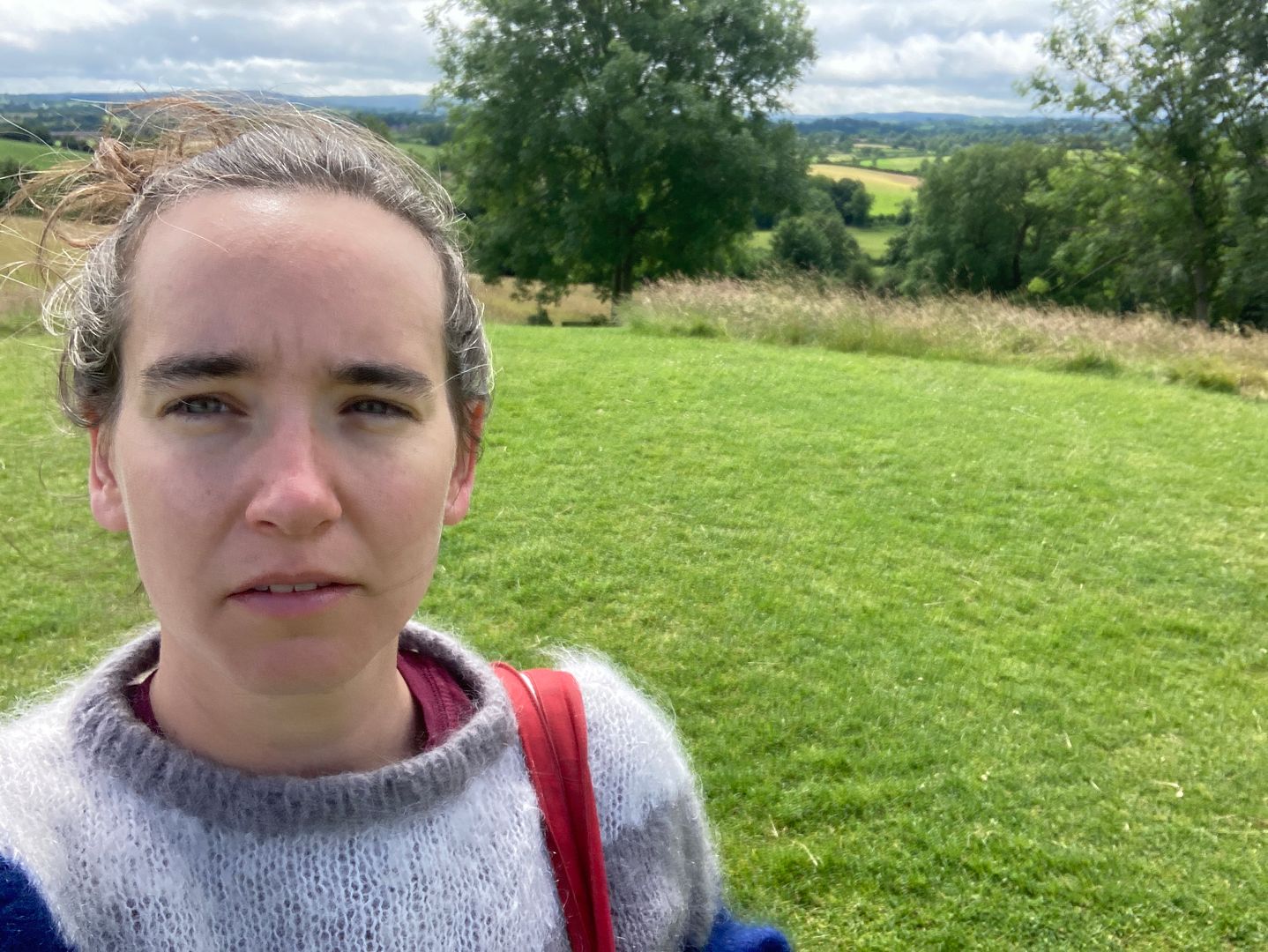
At the Navan Centre itself, the focus was mostly on the pre-Christian spiritual history of Ireland, and on bringing that alive again and available to the people who still live here. The living history demonstration was among the best I’ve ever seen, and there are workshops on prehistoric astronomy, and observation of ancient seasonal feasts. This is a place for spiritual seekers – the post-Christian reaching across the gulf to the pre-Christian. Even though I wouldn’t look to all the same answers, I empathize deeply with the search, and I frankly envy the opportunity to find the spiritual treasures that belong to one’s own ancestors.
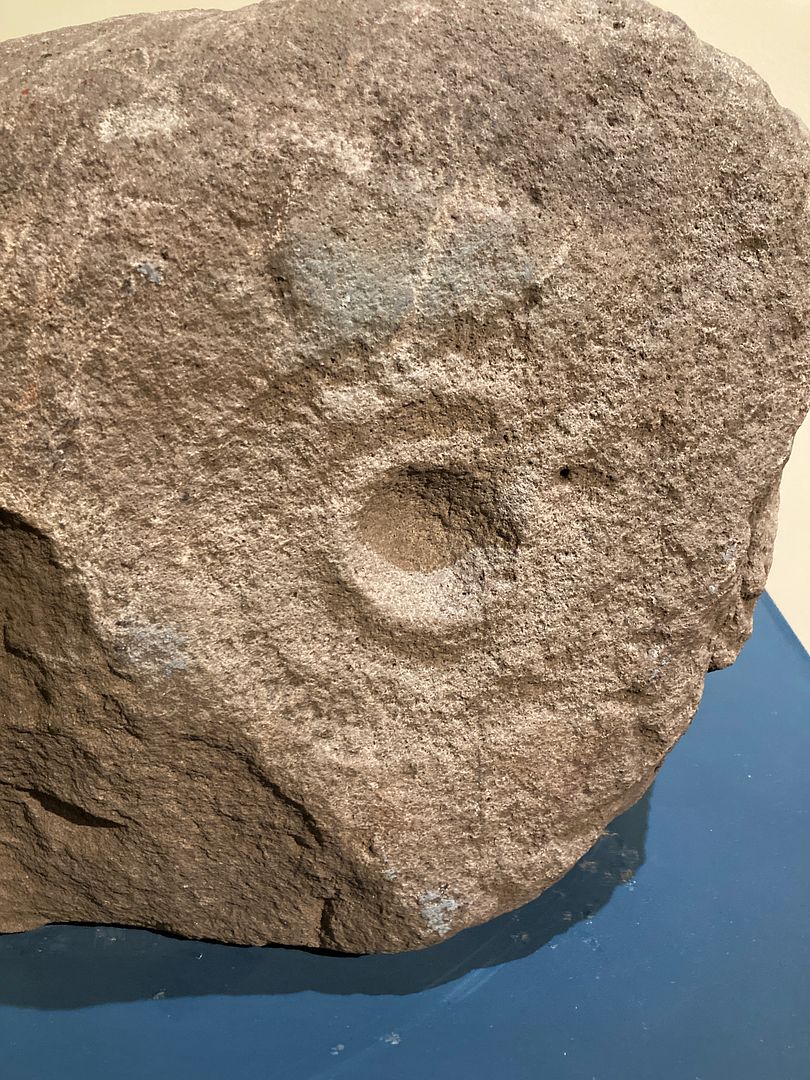
This desire for belonging to something ancient, and spiritual ancestry, is a theme I’ll return to later in this post. Jared hiked into Armagh, visiting both the Catholic and Protestant cathedrals bearing St. Patrick’s name. The girls and I went home, and I’ll move us on to the next spot interesting we visited this week.
Hillsborough Castle Garden
This wasn’t a part of the St. Patrick’s Way trail, but since it was on the way there, on one of our pickup/dropoff journeys I took the girls to Hillsborough Castle Garden outside Lisburn. This is the official royal residence in Northern Ireland.
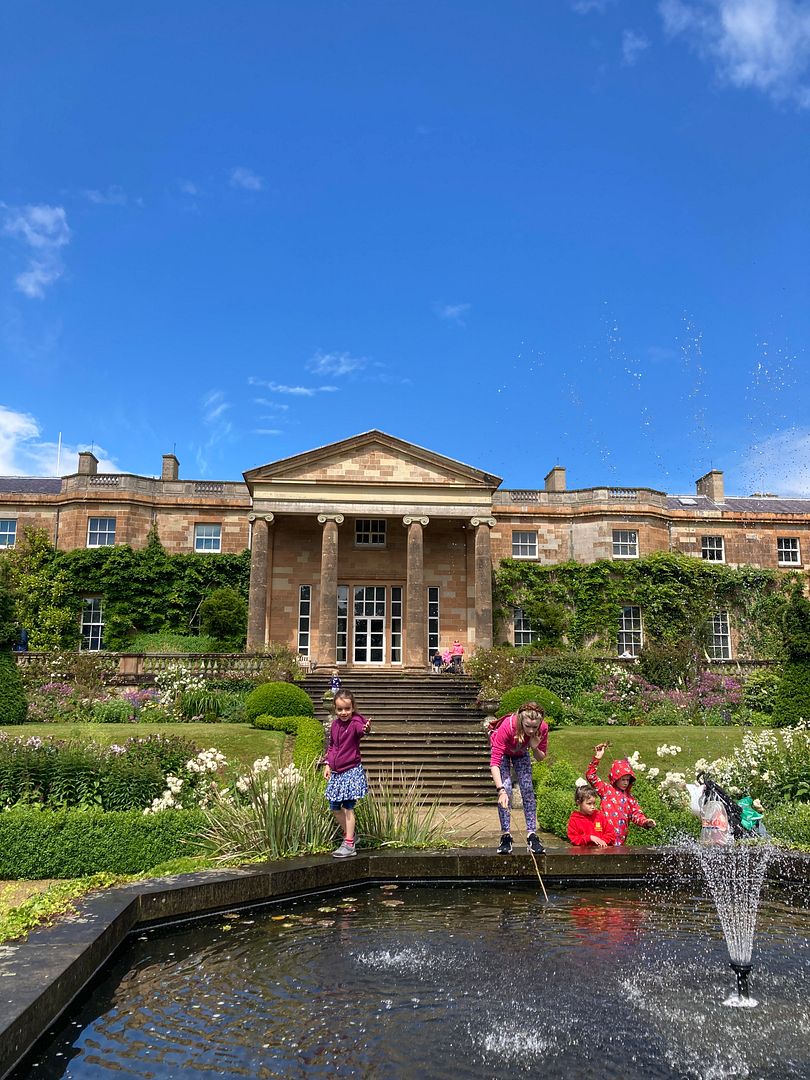
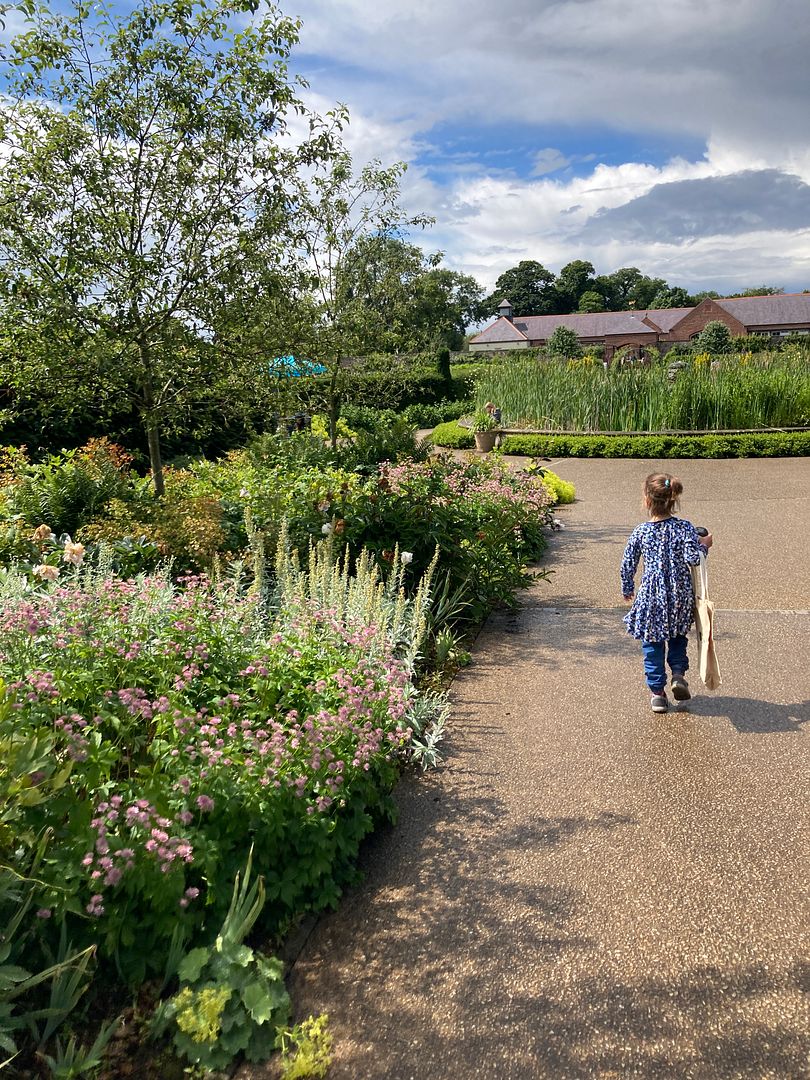
The self-guided exploration of the castle grounds starts in the walled garden. I just love an organized garden. I do not have a green thumb to save my life, but walking around an ordered garden with cleverly trellised food-producing plants just gives one a delicious sense of the possibilities of what cleverness and patience can execute in a garden.
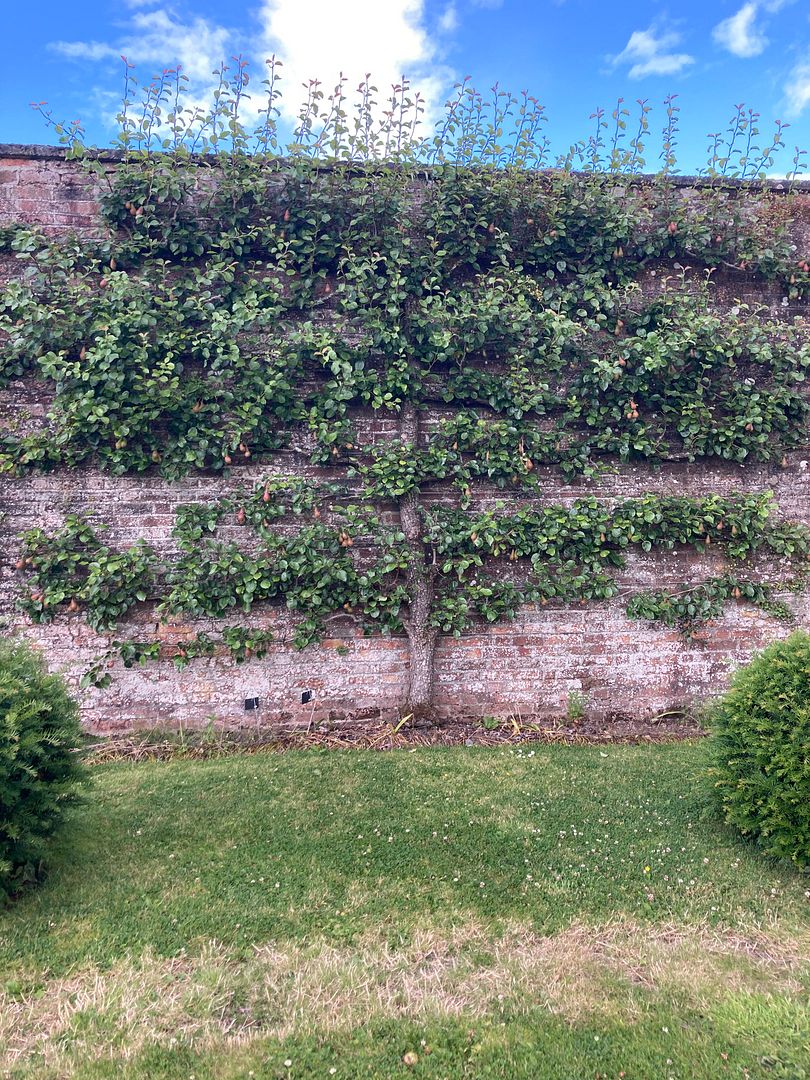
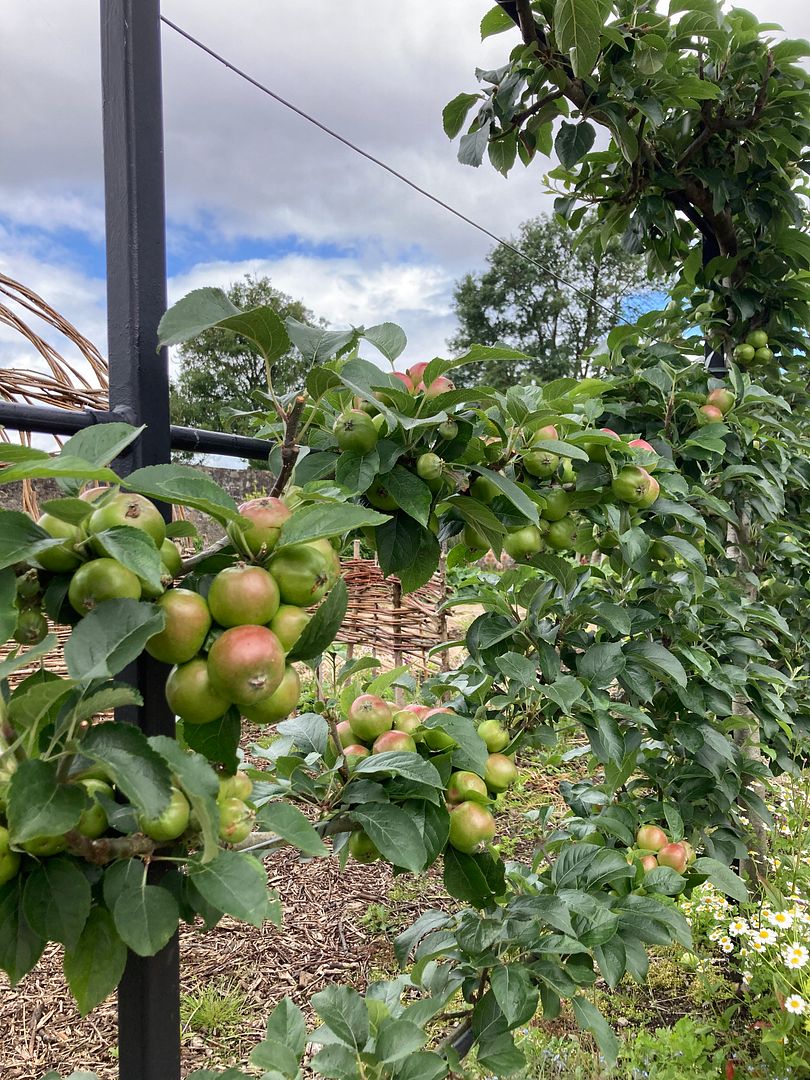
The pear and apple trees were most remarkable. Pear trees were trained to grow along a framework on the inside of the wall.
And apple trees grew along fences within the garden. A more efficient use of food-bearing space could not be imagined.
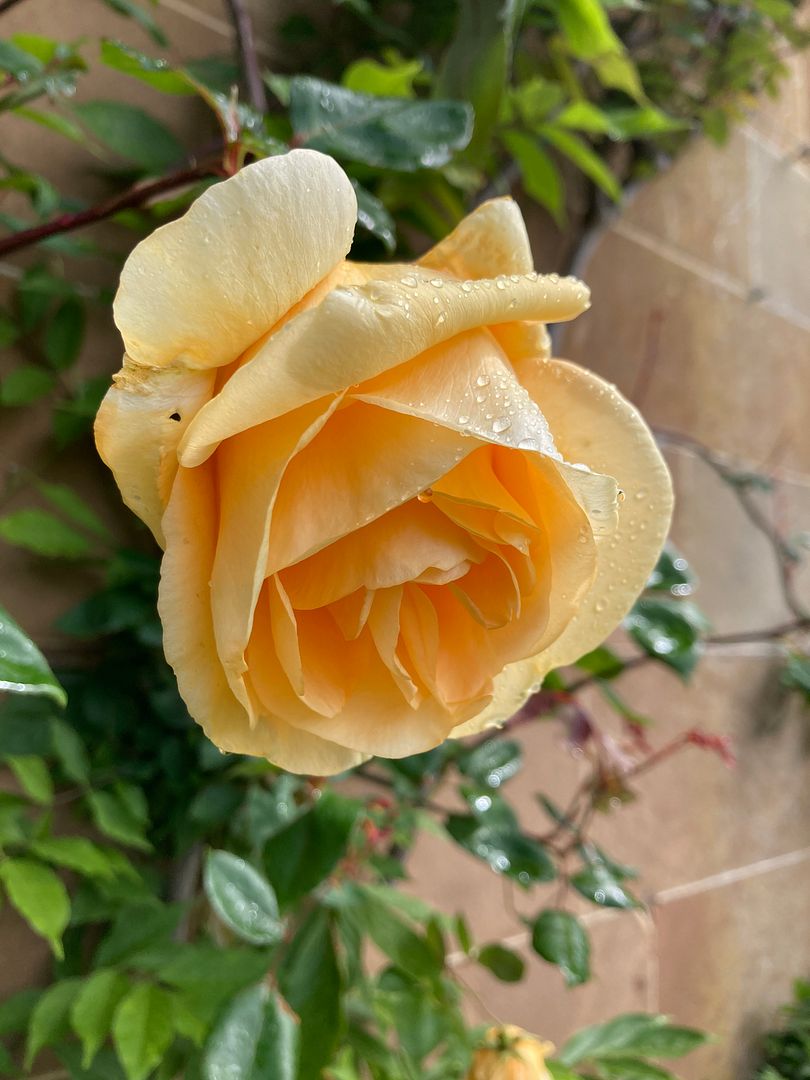
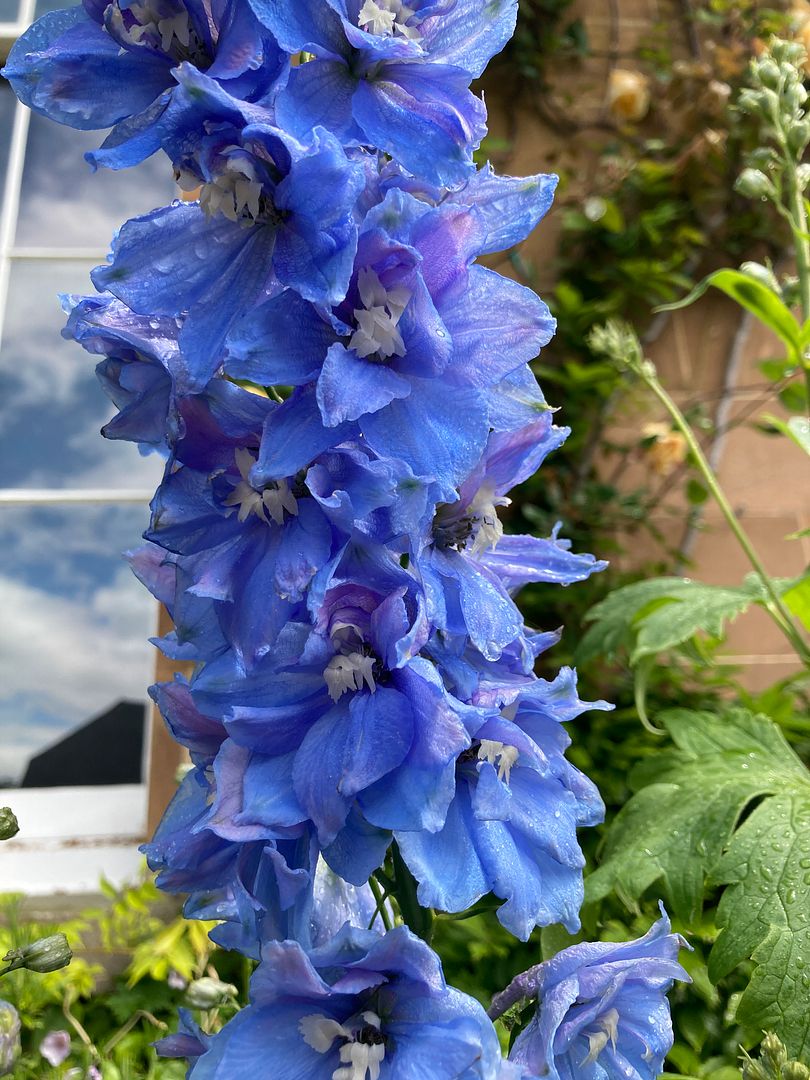
You may have noticed by now that I love taking pictures of flowers, so here you go.
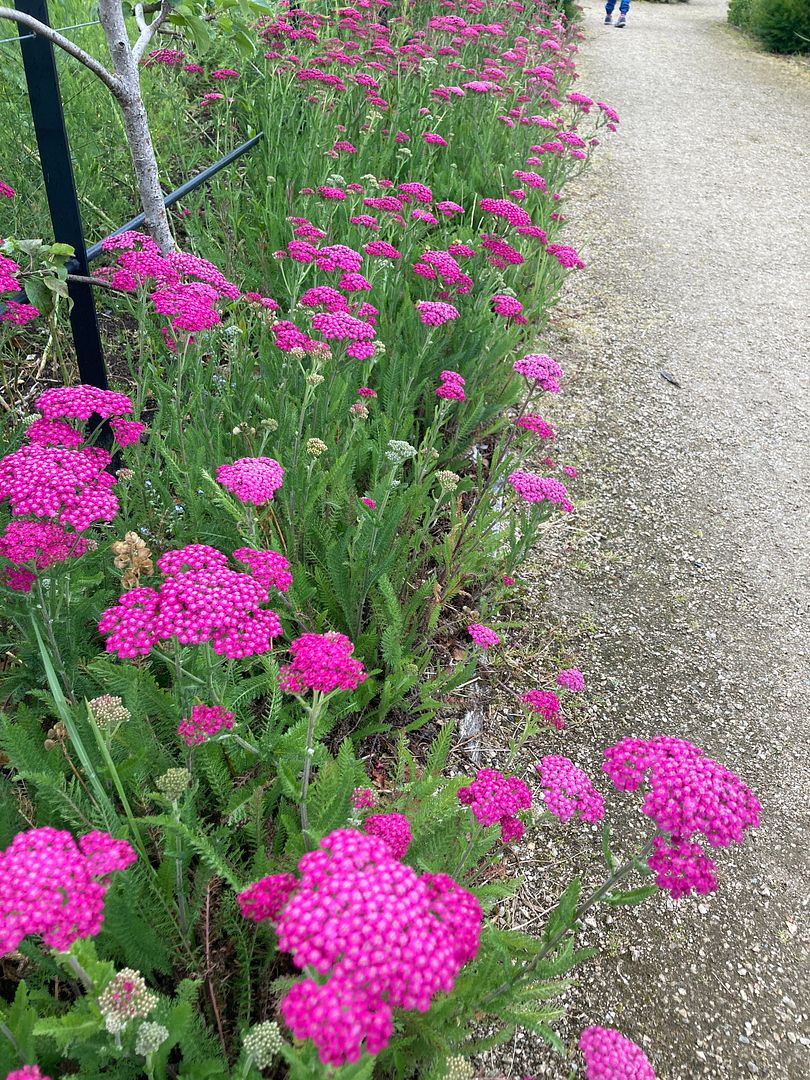
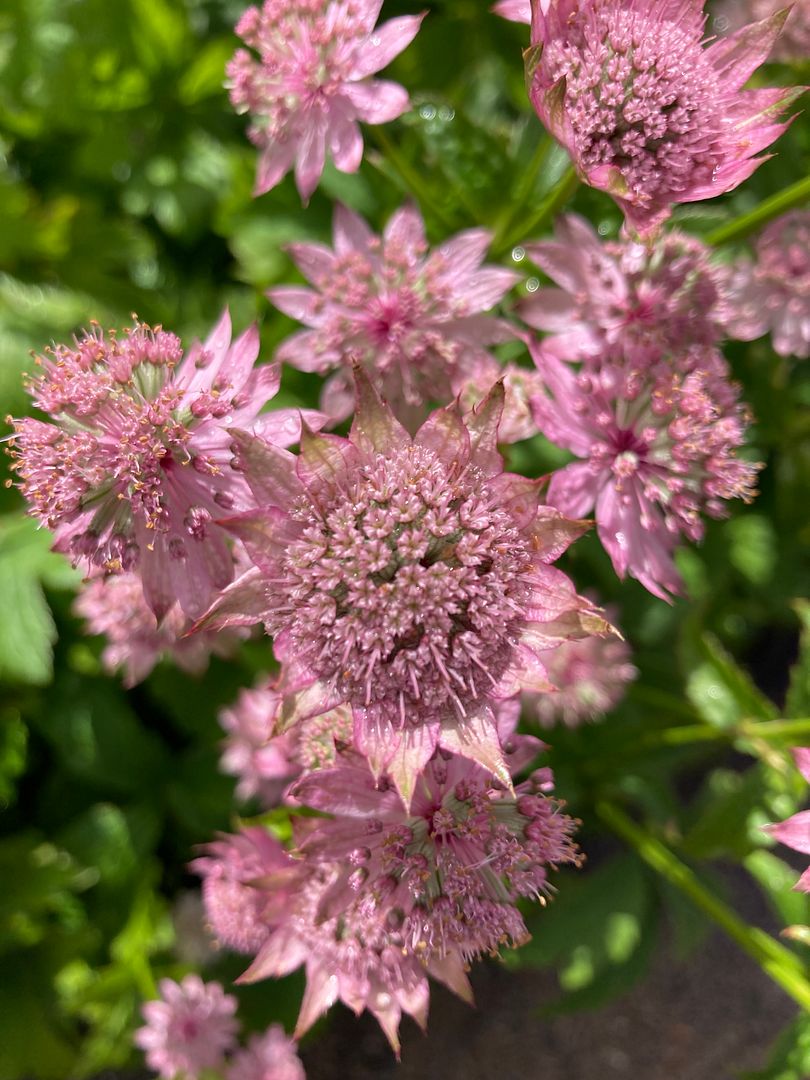
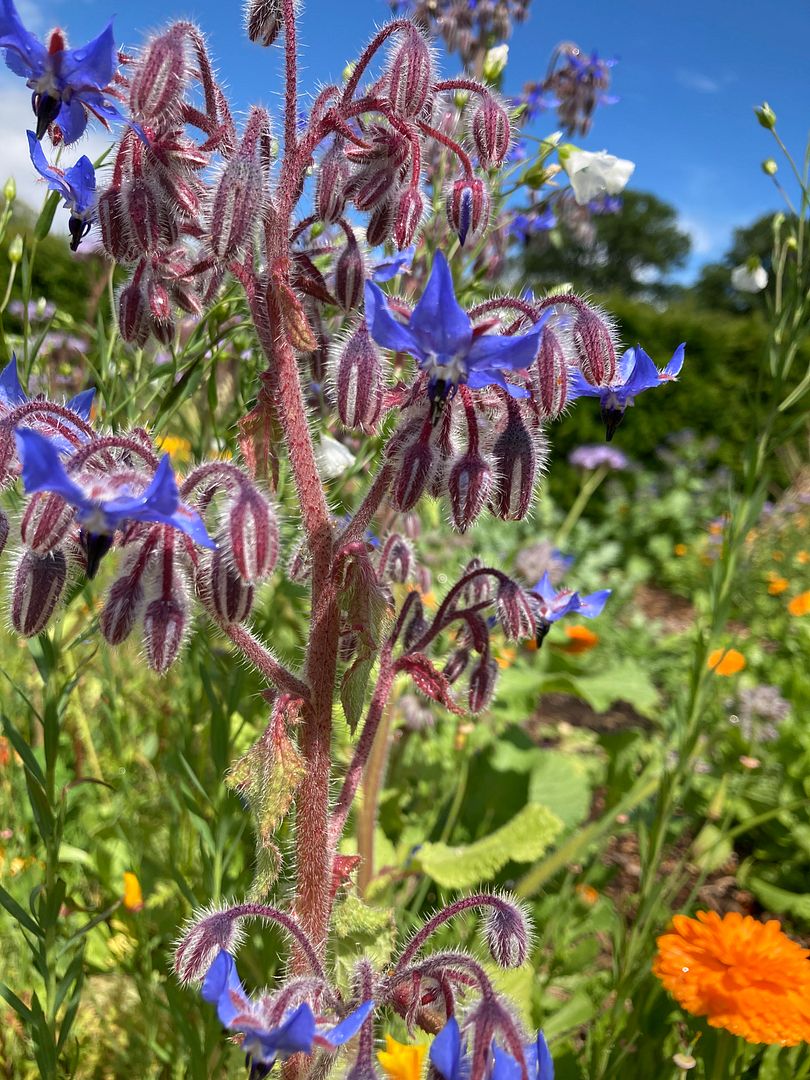
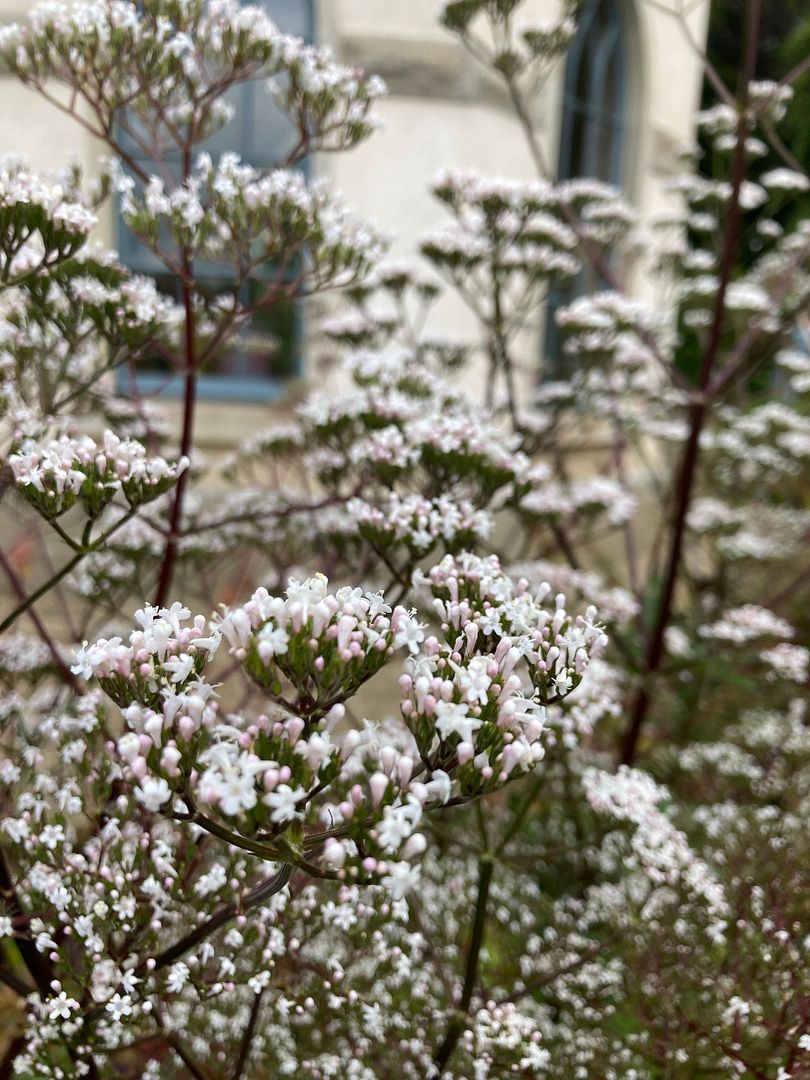
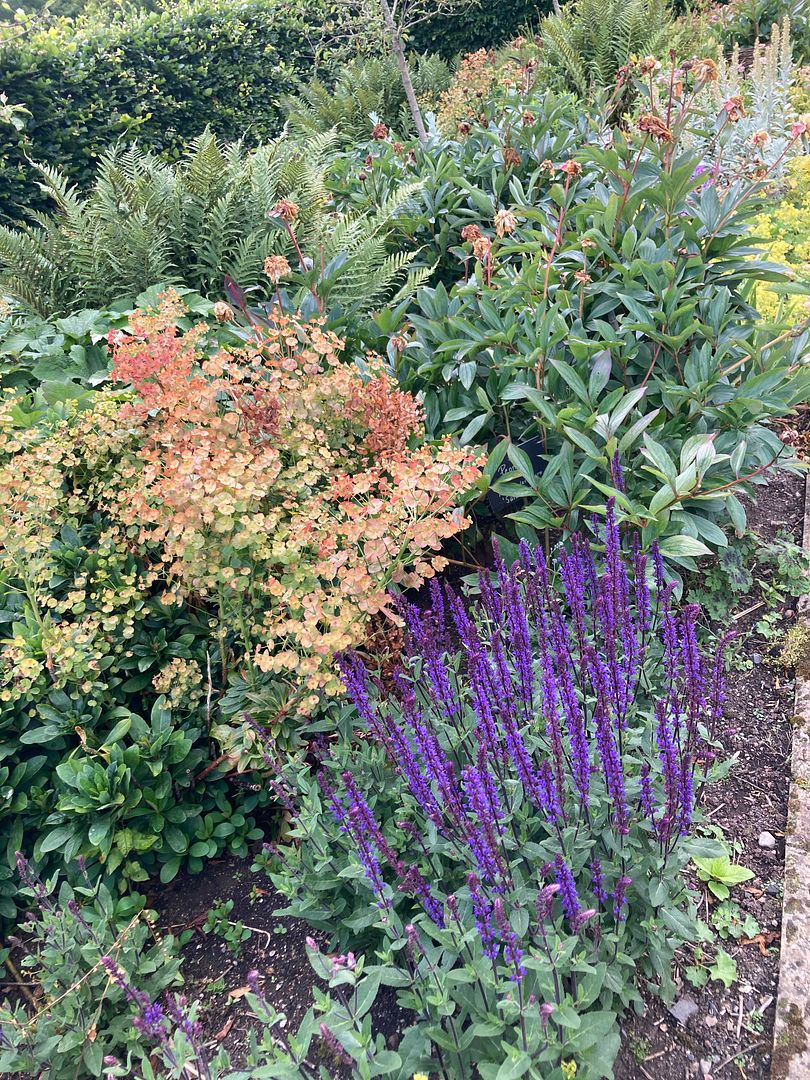
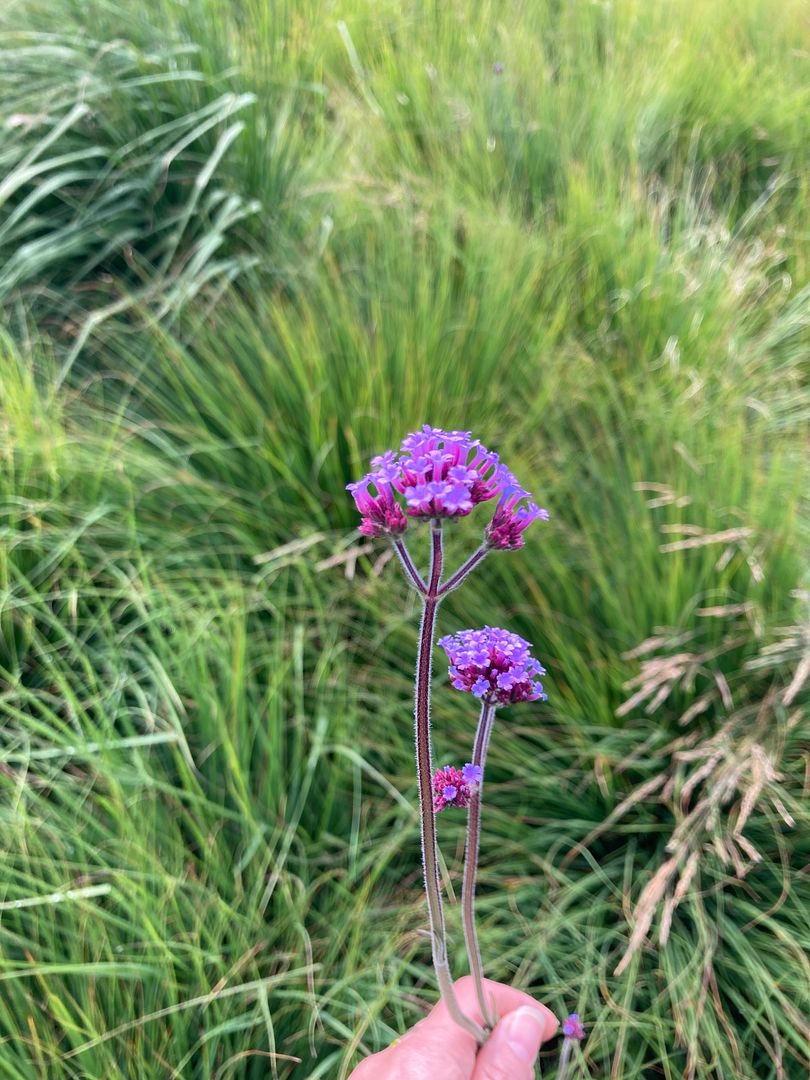
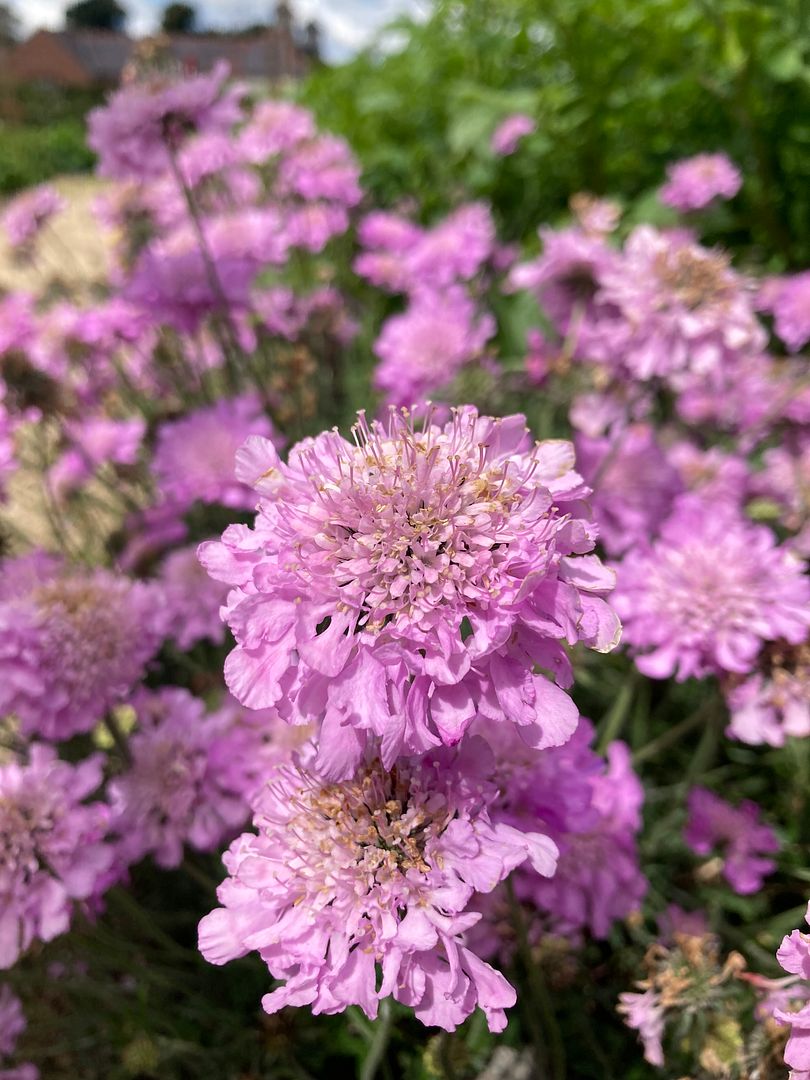
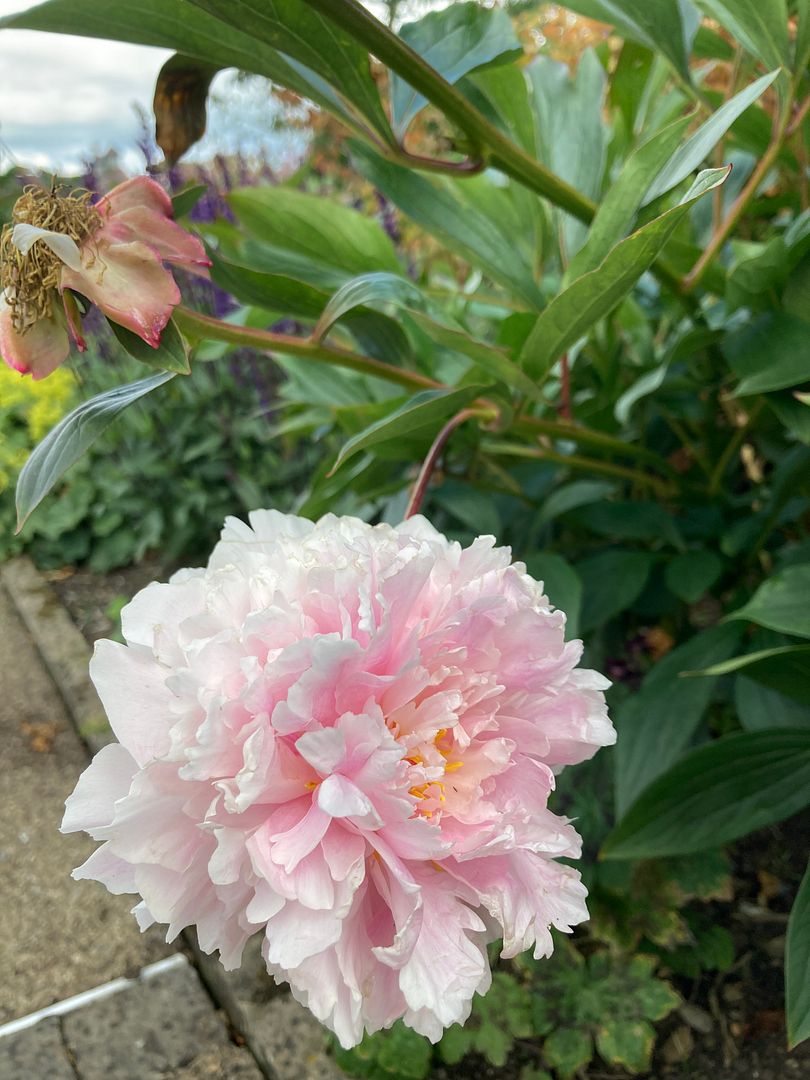
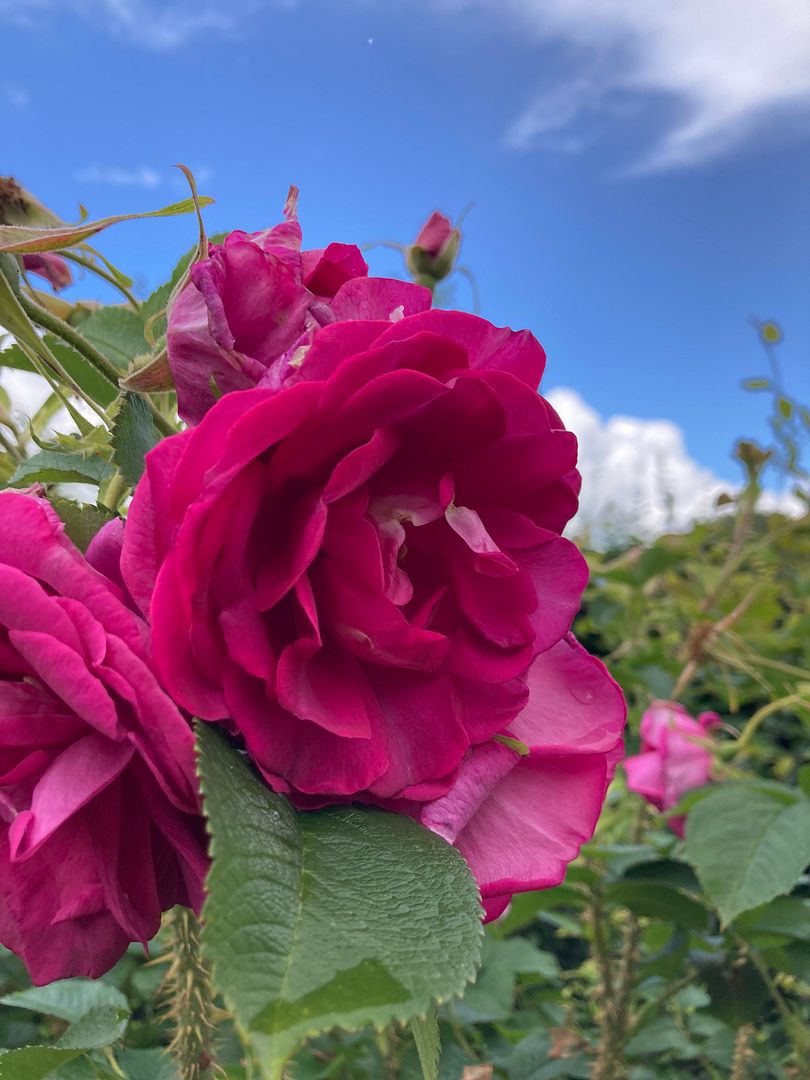
I’ve focused on the flowers, but this walled garden was full of vegetables, fruits, herbs, and every good thing. Several varieties of potatoes were flowering; strawberries were being harvested, and artichokes grew on tall stalks. It’s enough to make one go apprentice in gardening, just to be allowed to volunteer in a place like this.
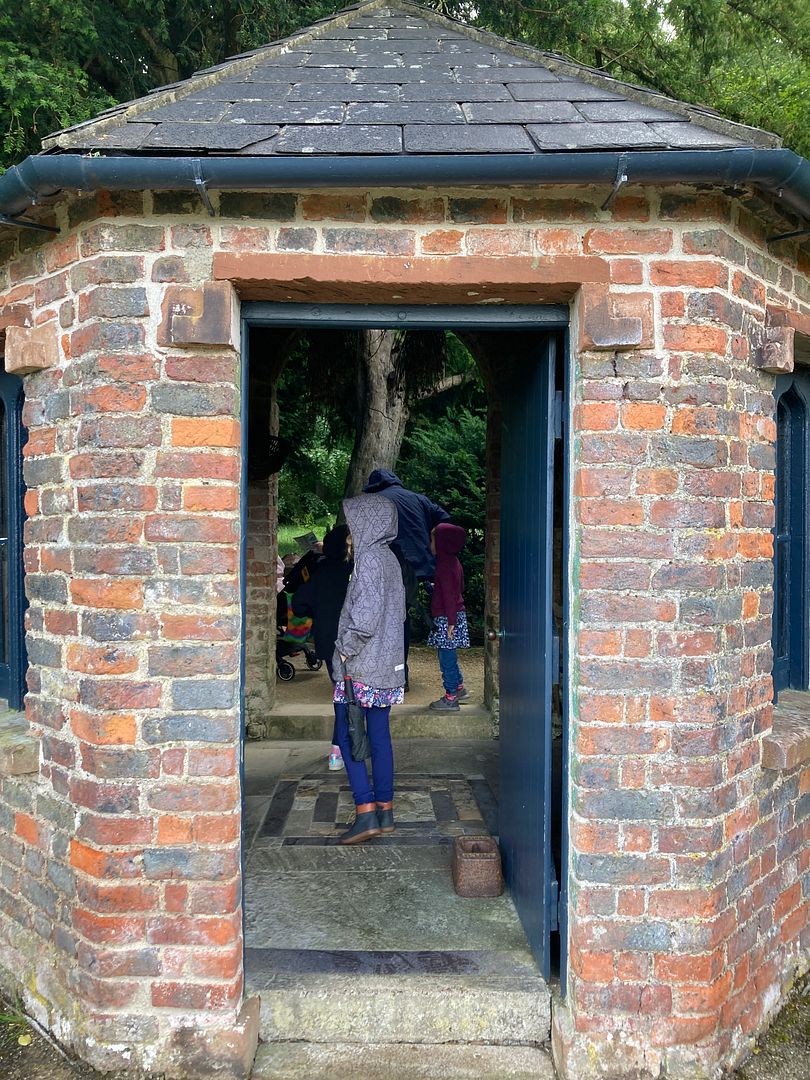
The exit to the garden was through a small hexagonal shed, into the woods that separate the walled garden from the more curated grounds approaching the castle.
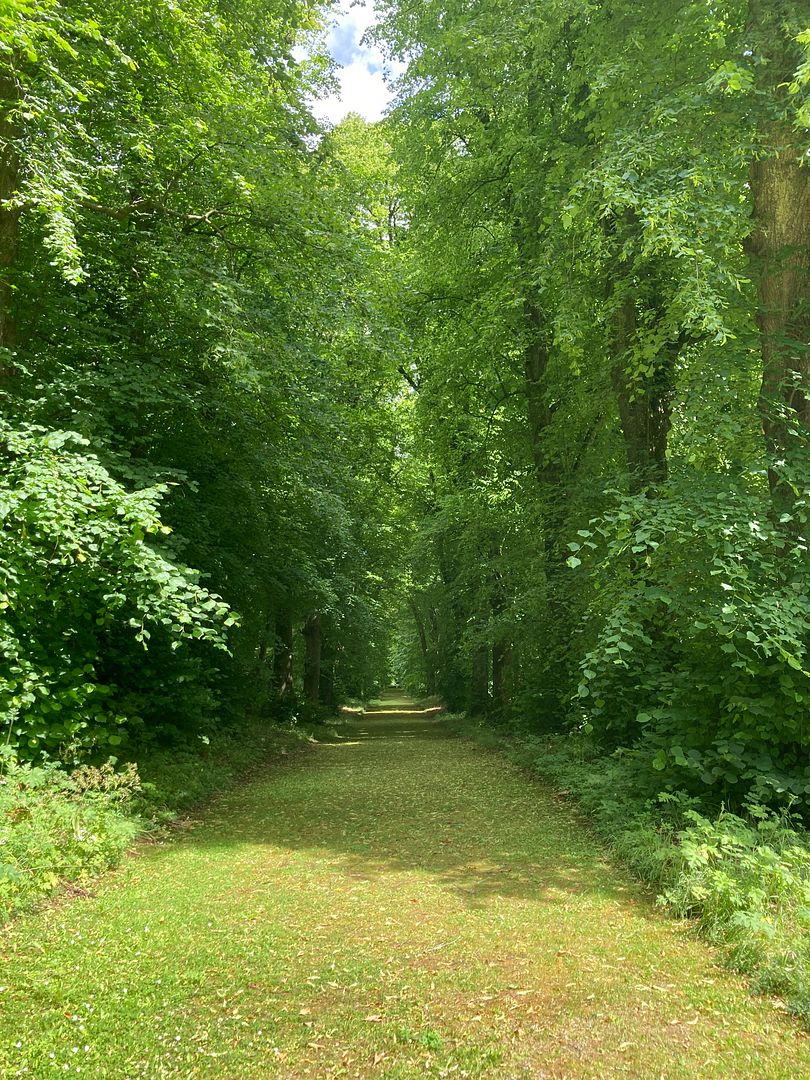
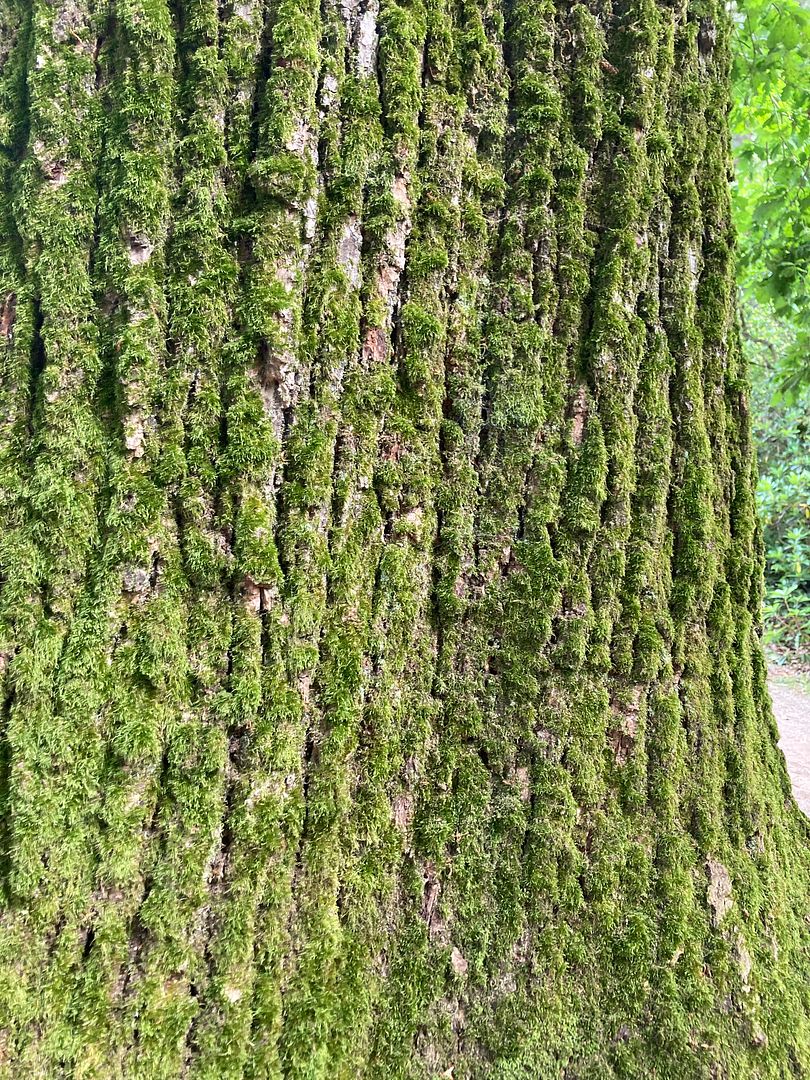
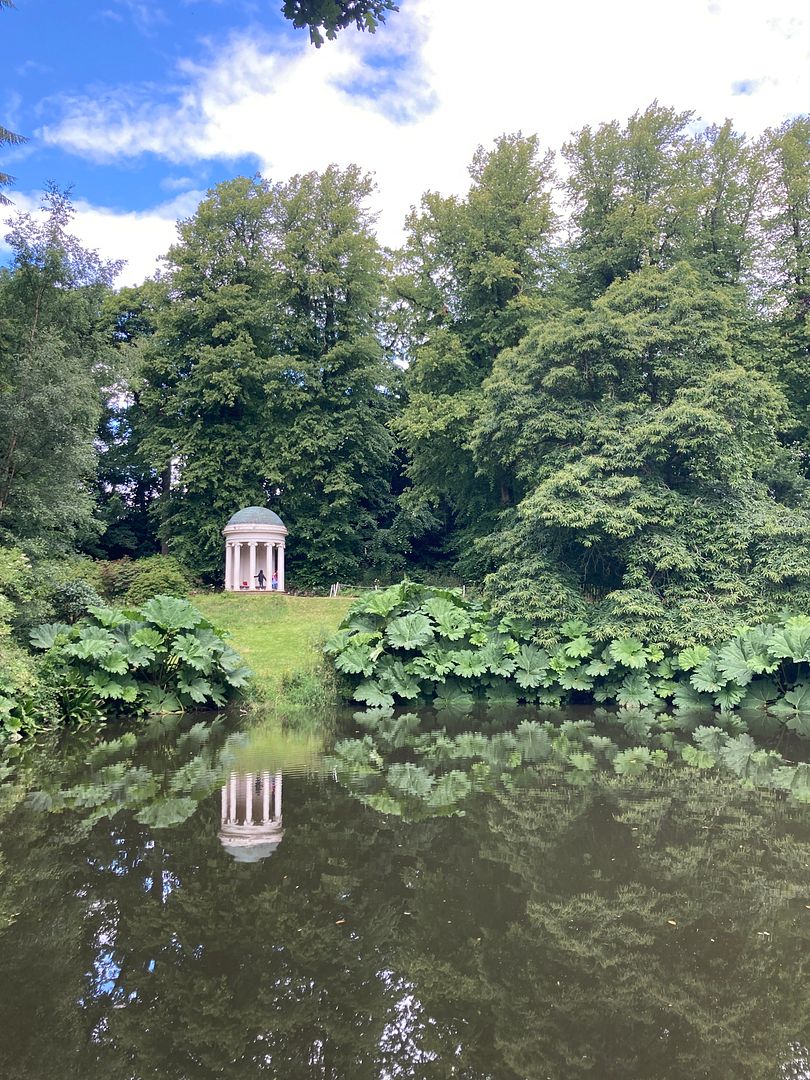
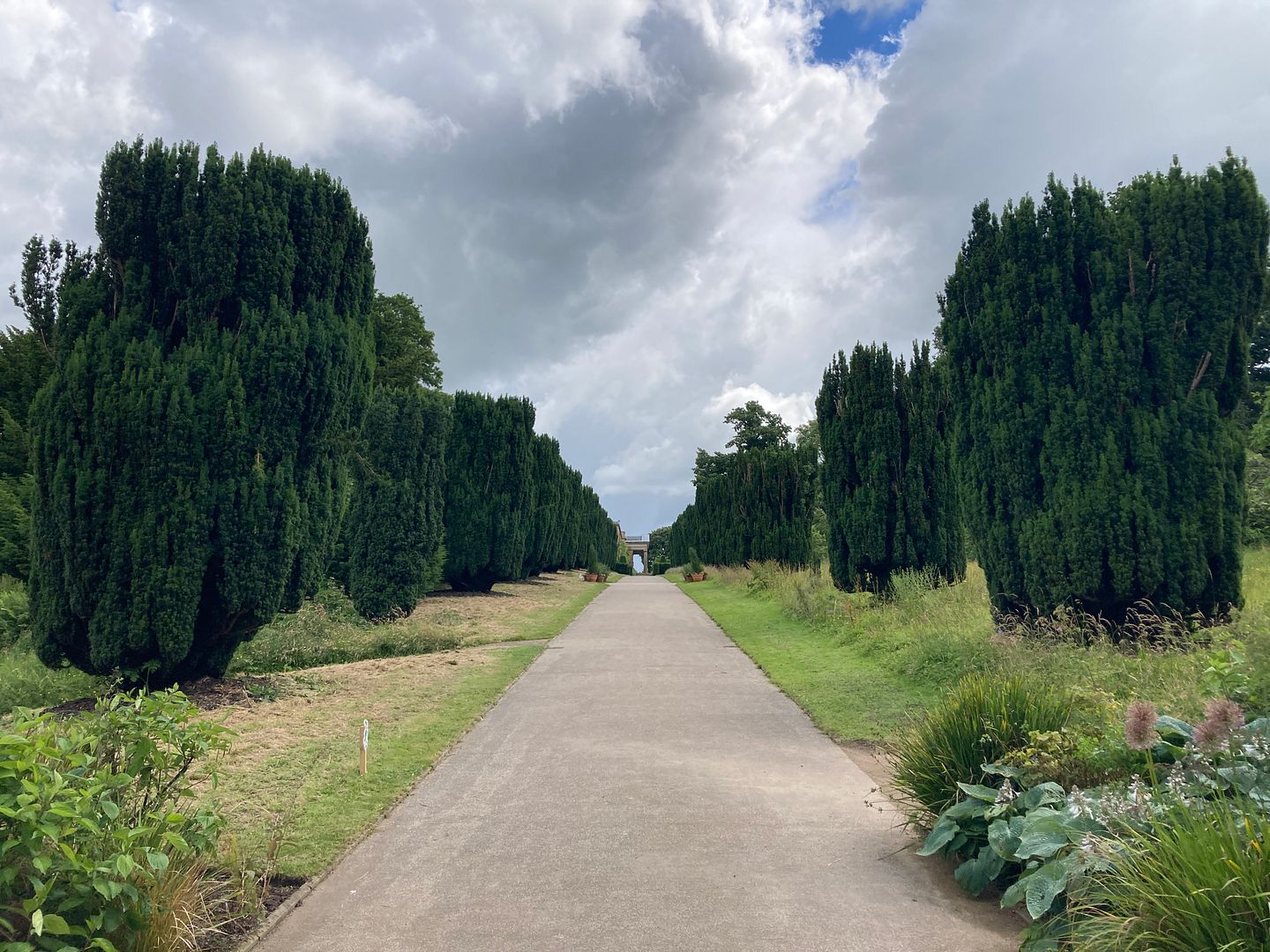
As you approach the castle, things get more and more cultivated-looking. These grounds were developed during an age when there was a certain amount of romanticism in fashion, which favoured the more natural-feeling landscapes of the forest and yards. At the same time, there were smaller, more geometric gardens the closer you got to the house.
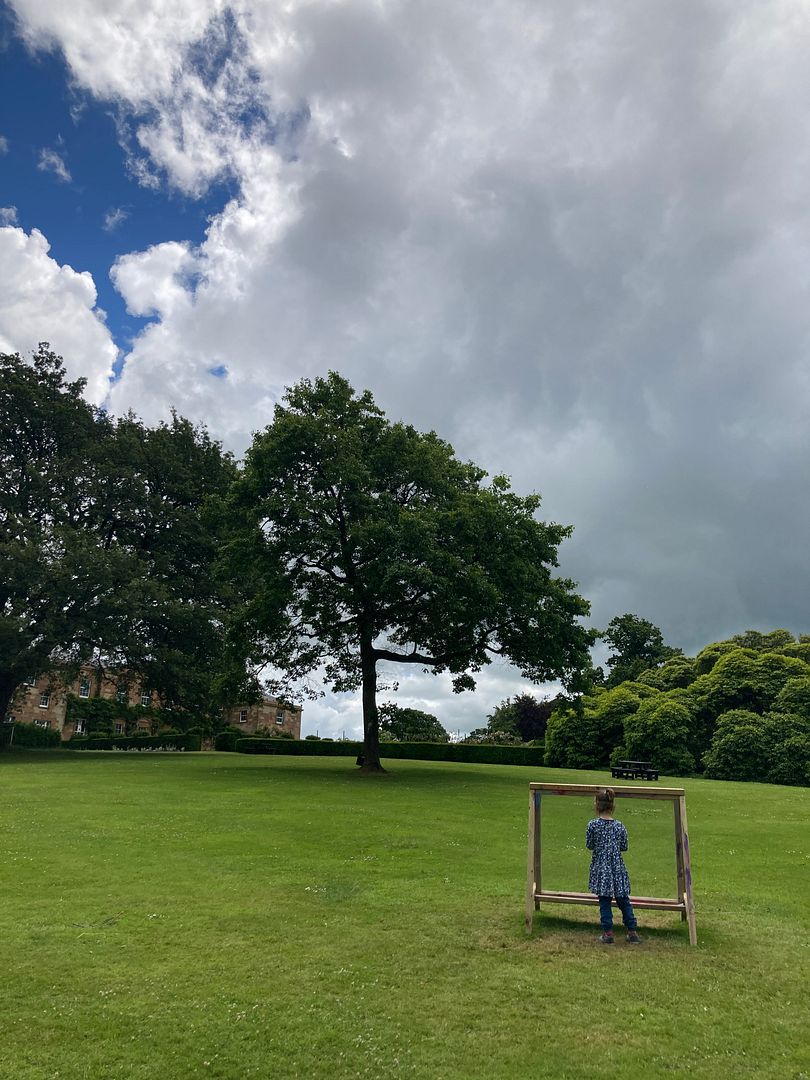
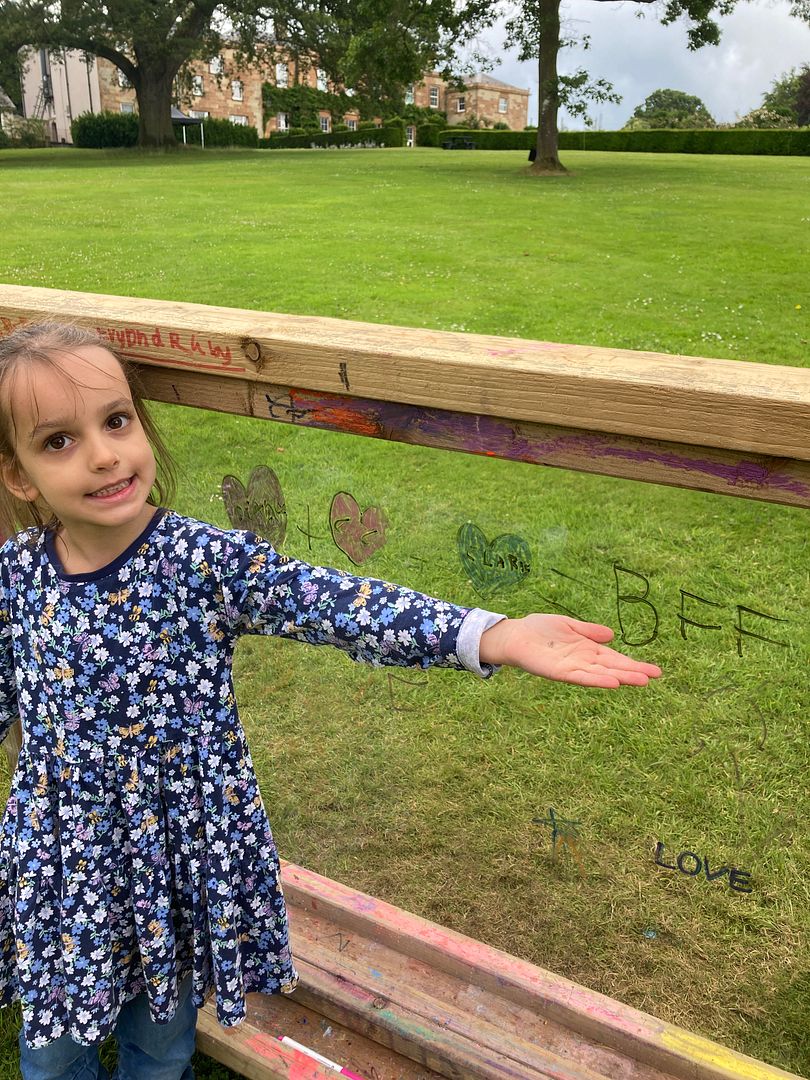
One thing I haven’t mentioned is that there was a summer event on, Peter Rabbit themed, with lots of little activities for kids throughout the tour. (I’m not sure what the connection to Beatrix Potter could be; she’s more associated with the lake district.) There was a bean-bag toss, big wooden puzzles, and a station with twigs and twine for building a raft to send down a slow creek. These were dry-erase boards on the picnic lawn; Dooner was thinking of her friends, so she put a lot of effort into a little love note for them.
We made it to the cafe in the back of the castle just in time for some pouring rain. Wisely, we did not spring for the castle tour; the kids would not have cared and I would not have been able to enjoy it. There was plenty to enjoy outside. If I were coming here with adults, though, I think the inside is well worth seeing. I did spring for the commemorative guidebook which has some lovely pictures of the inside.
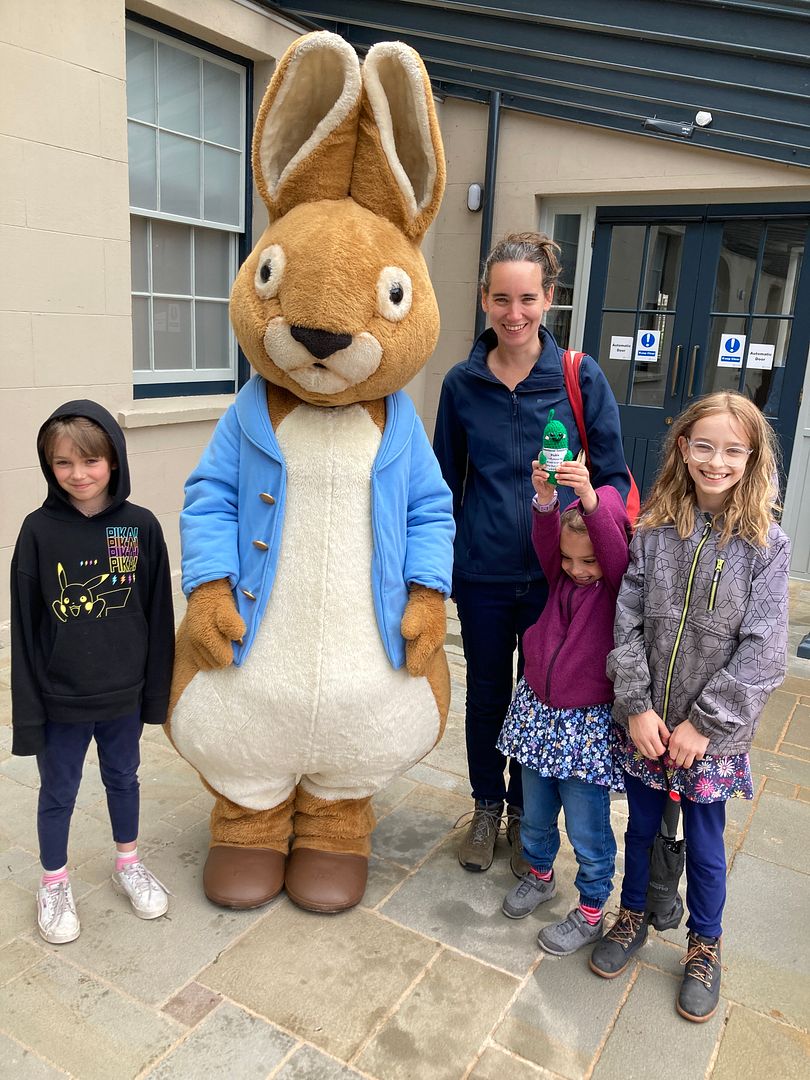
As it is, we got pictures with Peter Rabbit.
When the rain cleared, we went back outside. Walking around past the back of the house, we came to the side that was most front-looking.
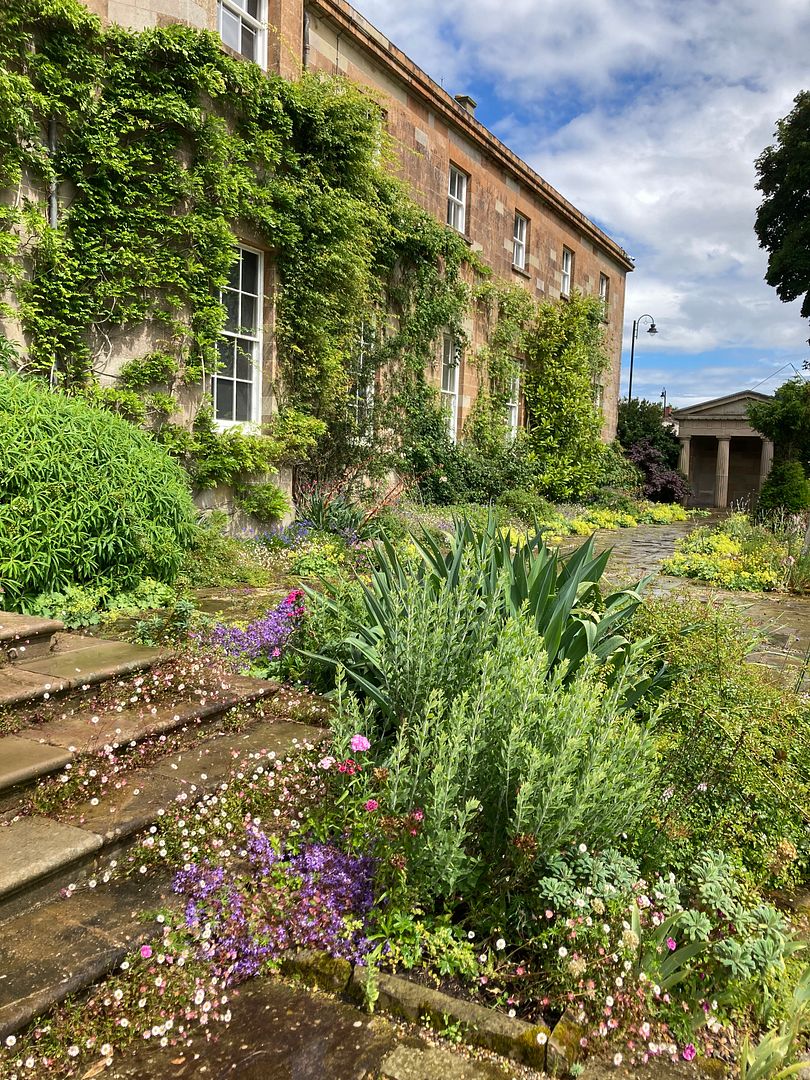
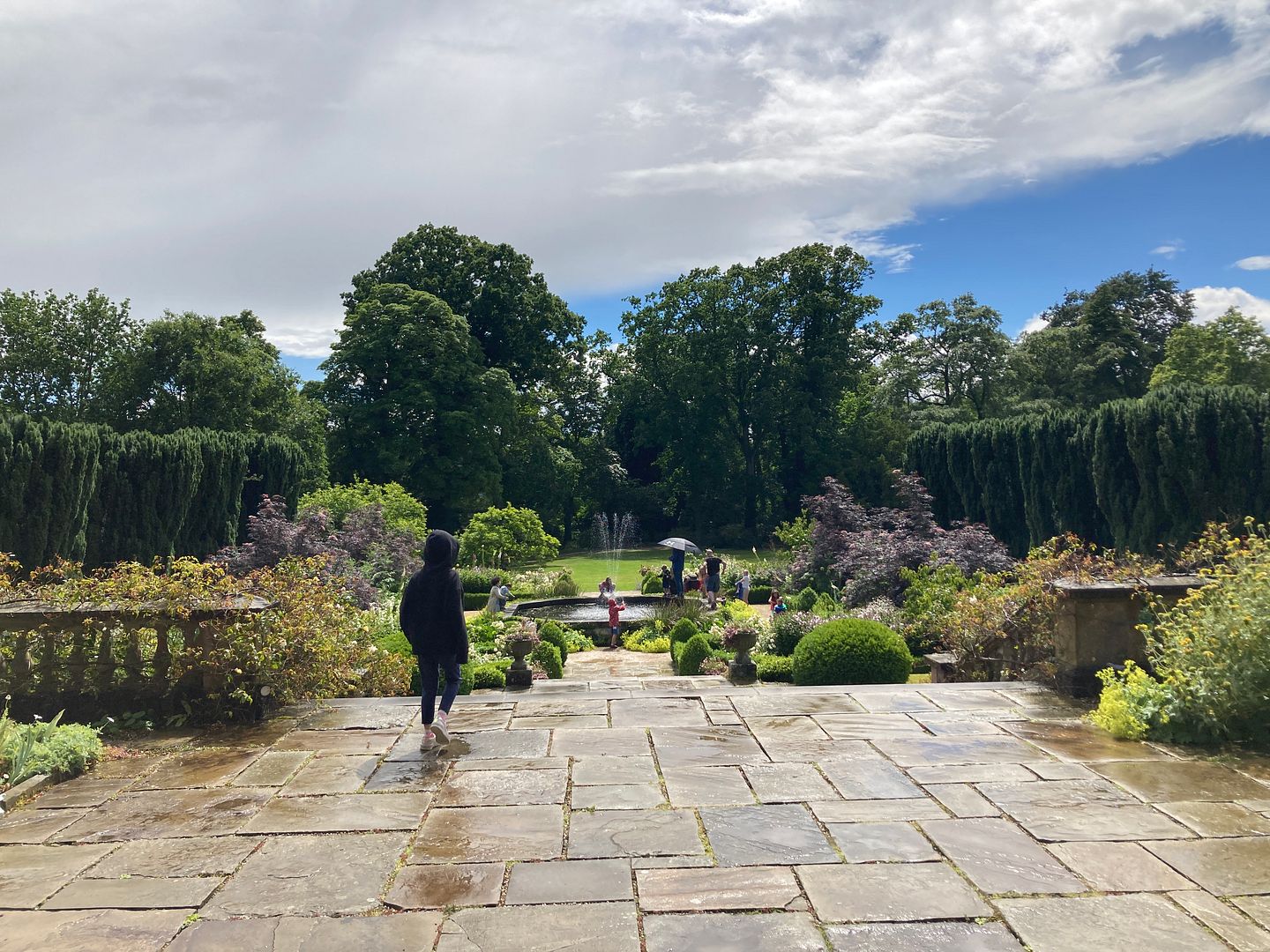
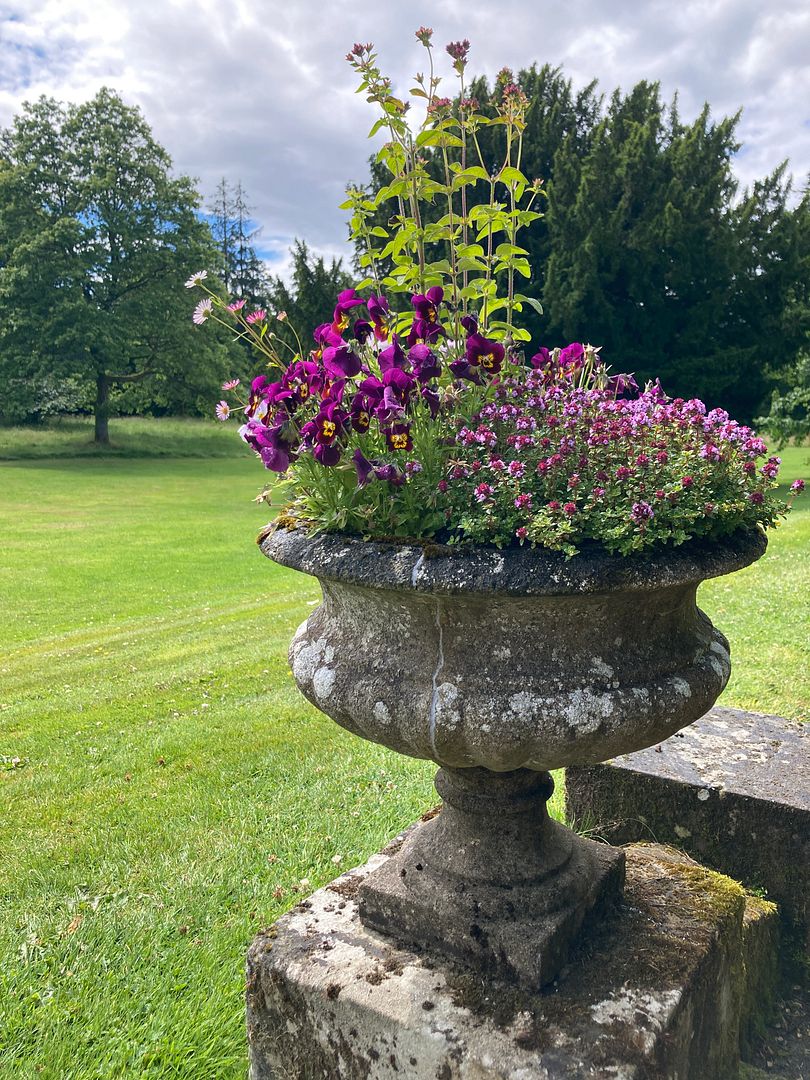
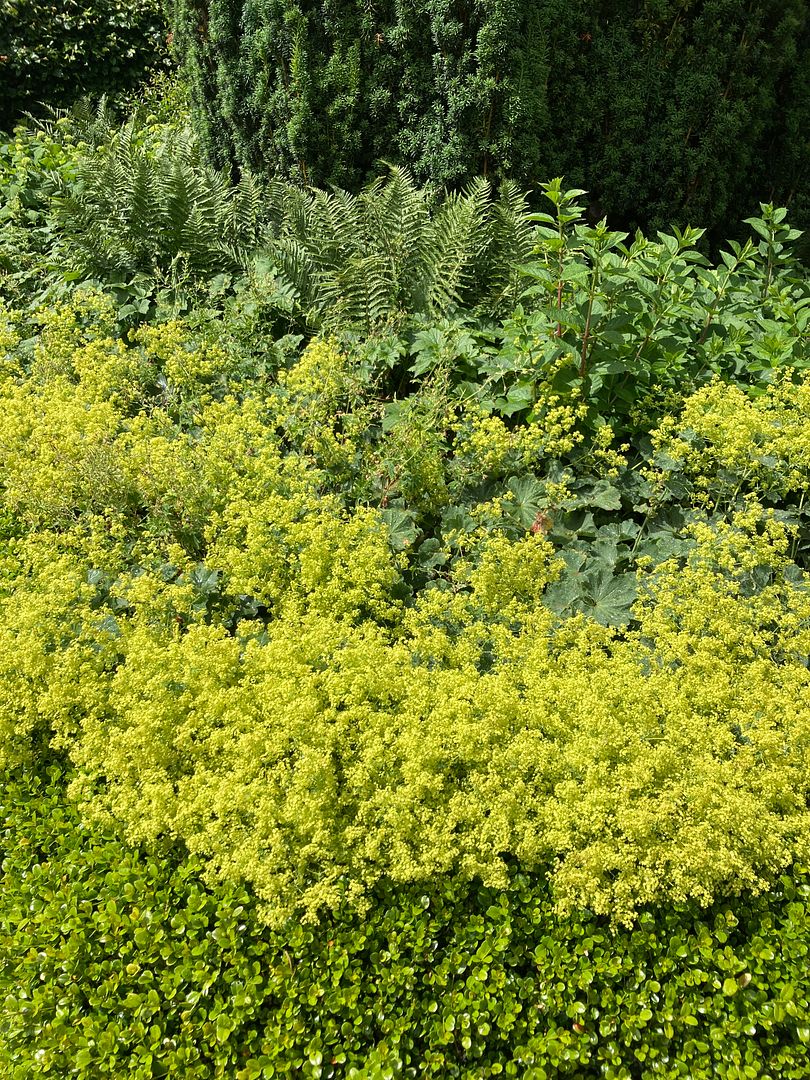
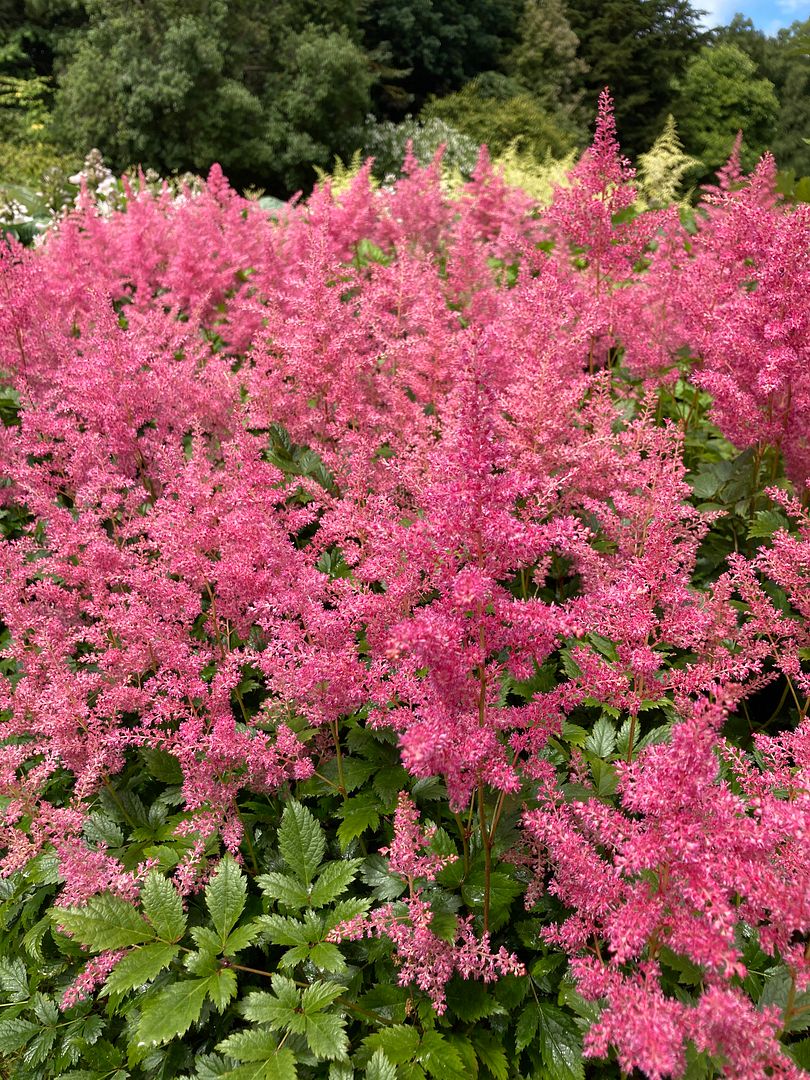
There must be an art to letting a house like this get just the right amount of overgrown for maximum romantic aesthetic. The flowers growing between steps, the vines crawling up orange stone, the groundcover just allowed to escape its beds… I don’t know, it just makes my heart feel like I’m in heaven. People carved out a place here, and have dominion over it, but then share it back again, and live in some kind of harmony with nature. That’s the vibe, anyway, and in place formed by this kind of wealth, a vibe may well be all it is. But there’s something in it that reminds one of something that is ultimately true, somewhere.
The Narnia Trail
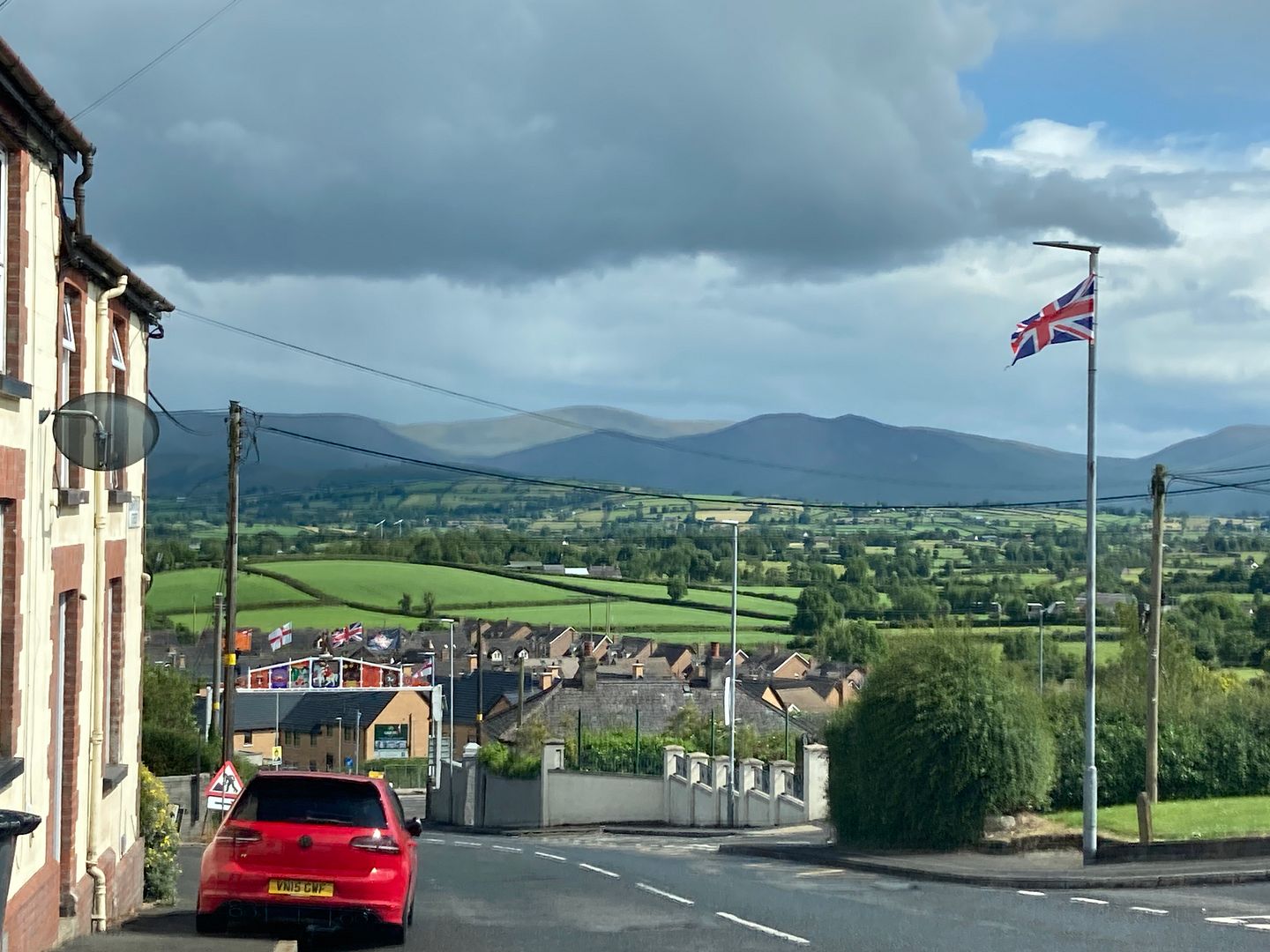
Continuing south, we joined back up with the St. Patrick’s Way trail at Rostrevor. As we approached, we got our first views of the famous rolling hills and Mourne Mountains of County Down.
Our destination was Kilbroney Park. This is now most remembered as a place where C. S. Lewis’s family went on holiday when he was a young boy, and where he says he pictured in his own mind when he was imagining the world of Narnia. In preparation, I was reading The Lion, the Witch and the Wardrobe to the girls for the first time since Dooner has been old enough to follow. I was ready to see.
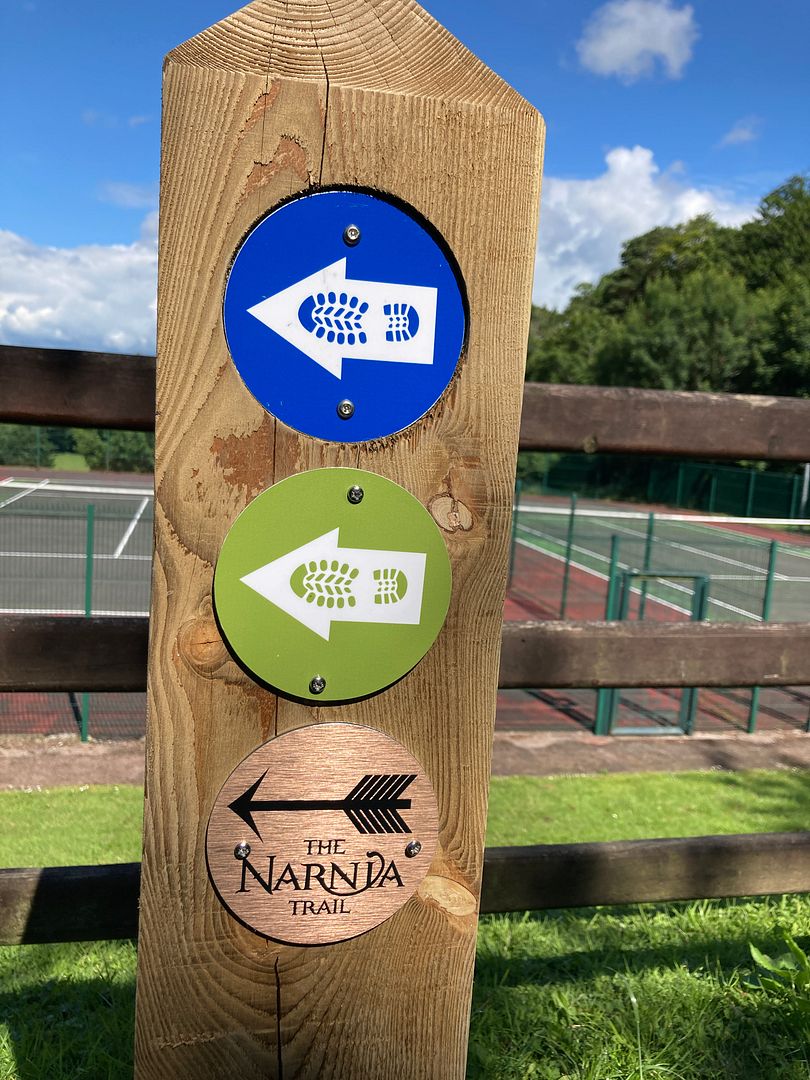
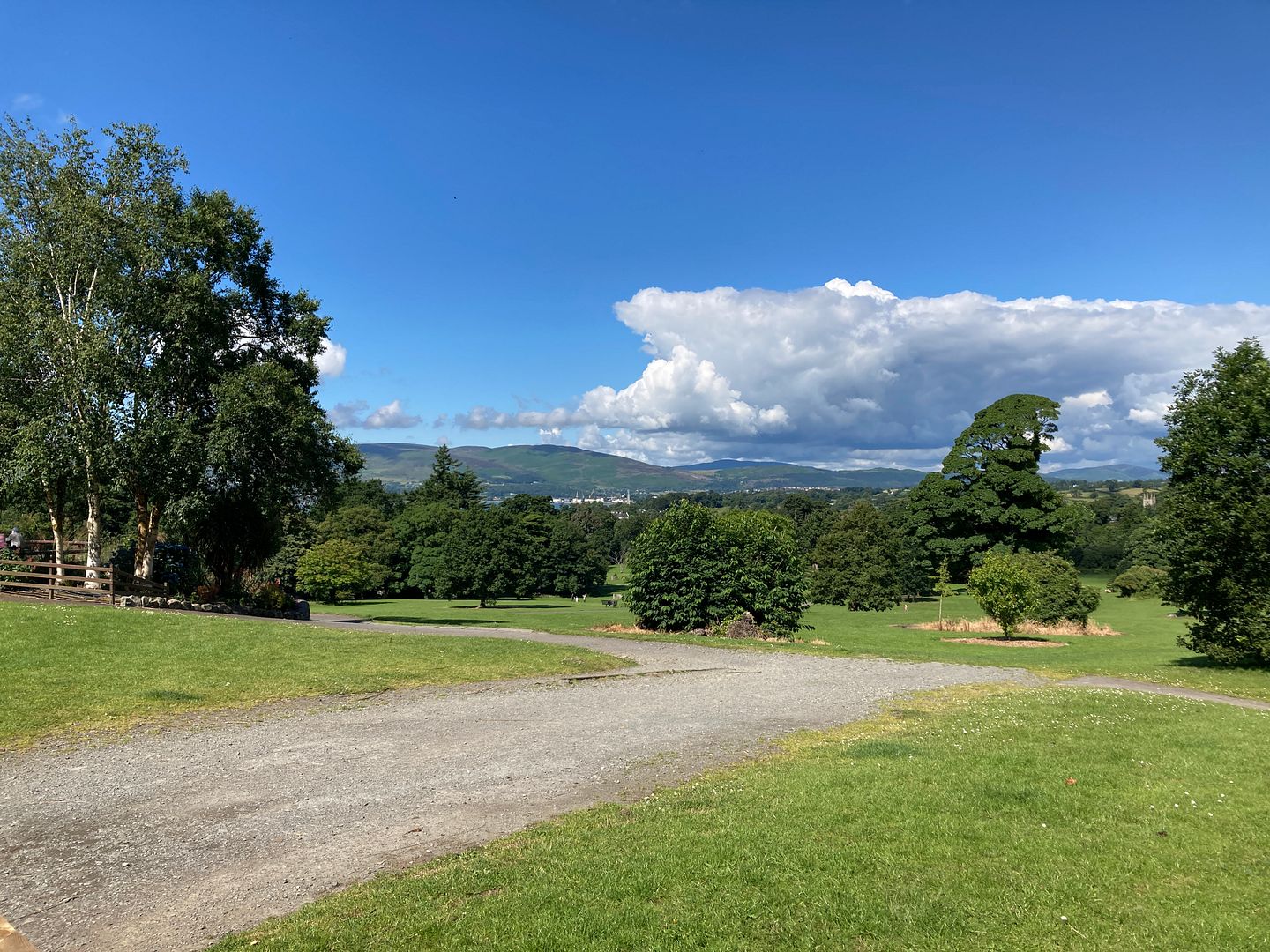
The official Narnia trail is built on the grounds of a now-demolished royal house, where Queen Elizabeth II in turn may have holidayed as a child. To get there, you walk across some still-curated grounds.
Then you head into a small patch of forest, where a small walk takes you through many artifacts bringing the story to life.
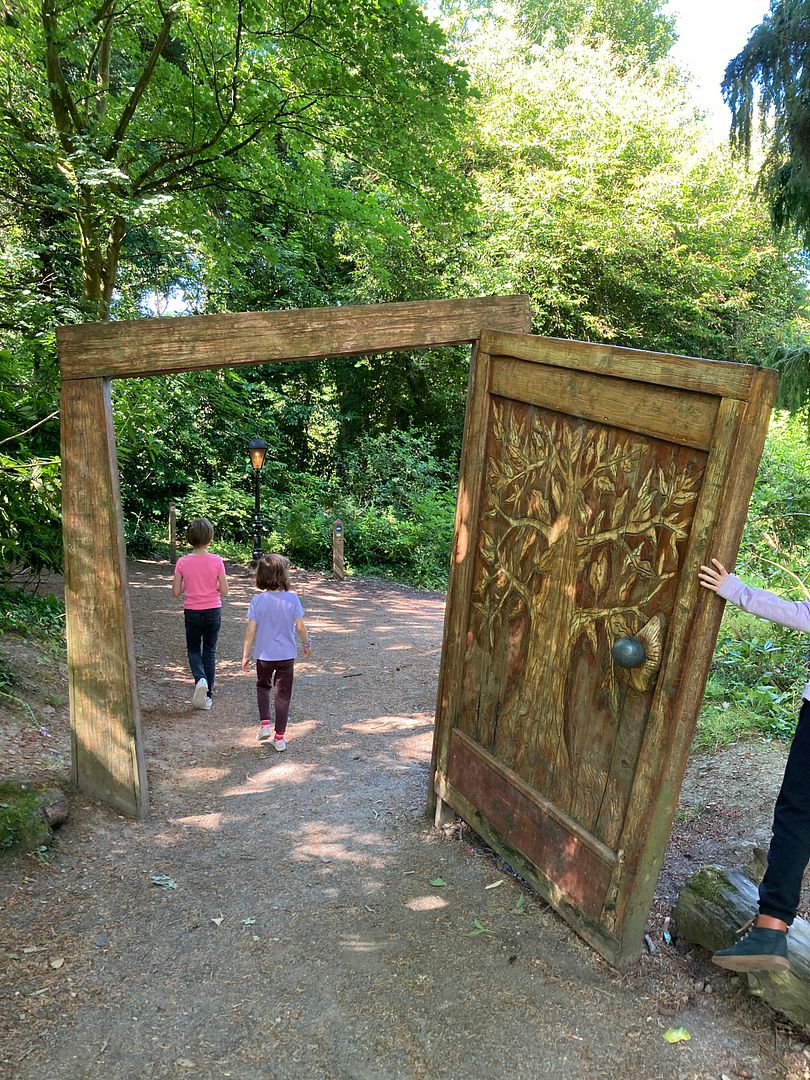
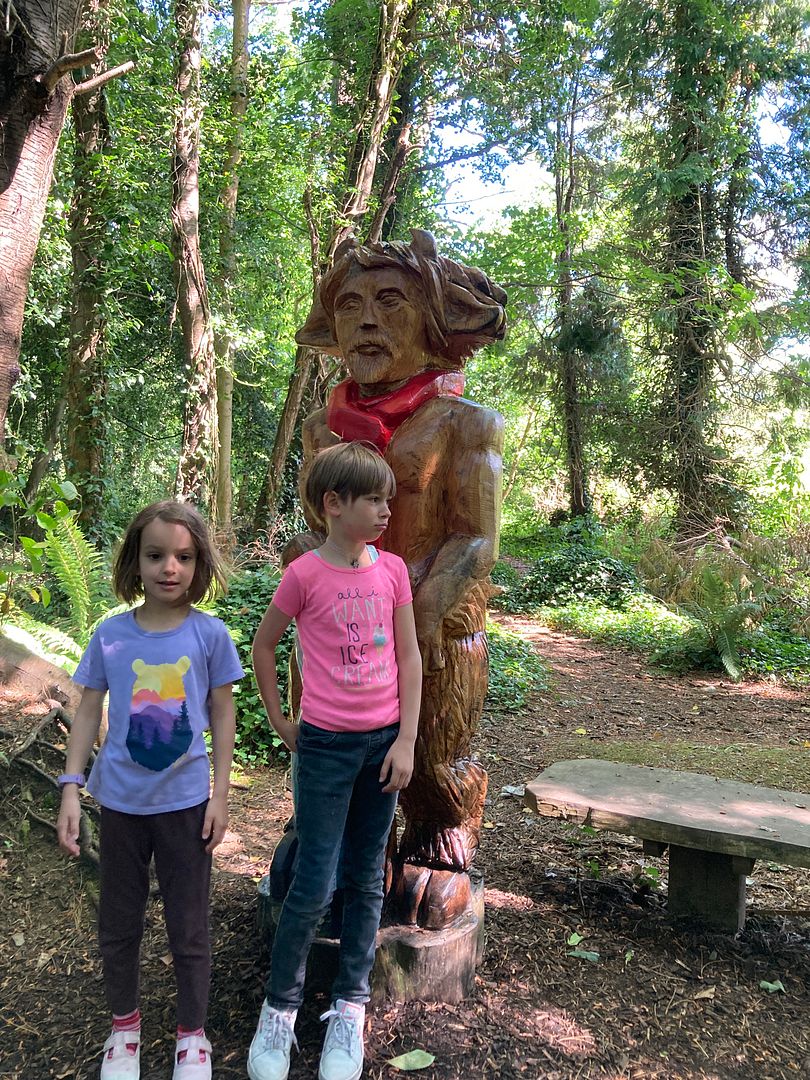
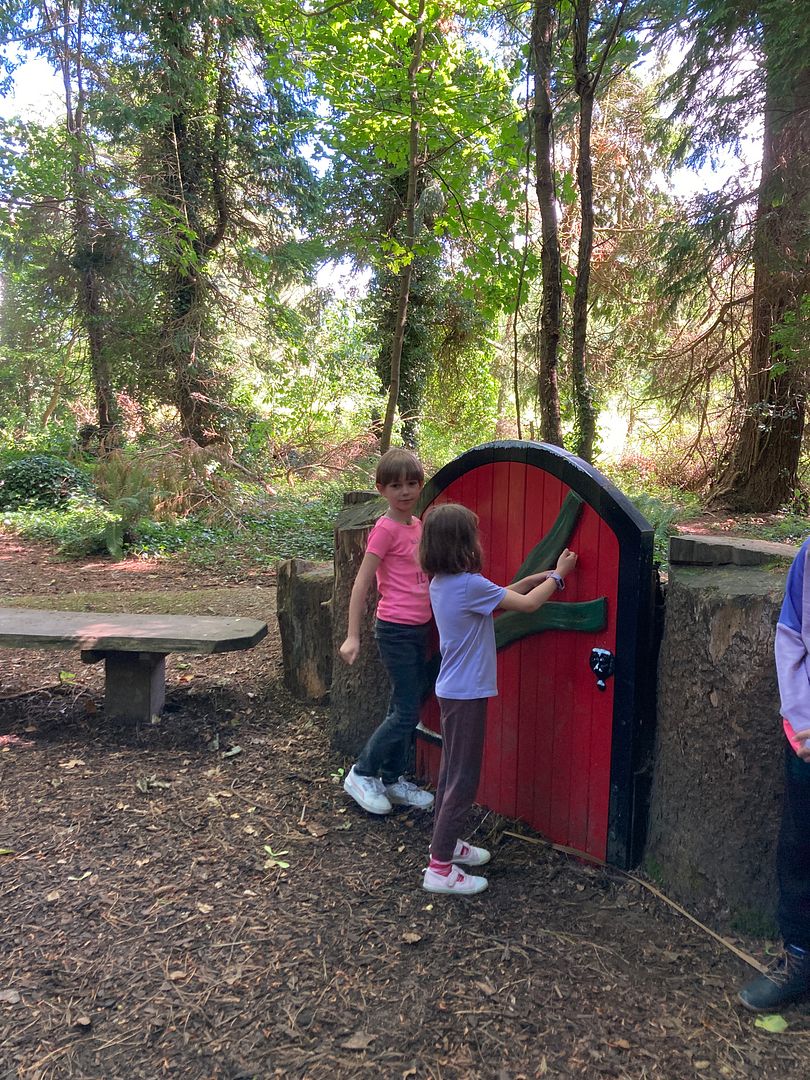
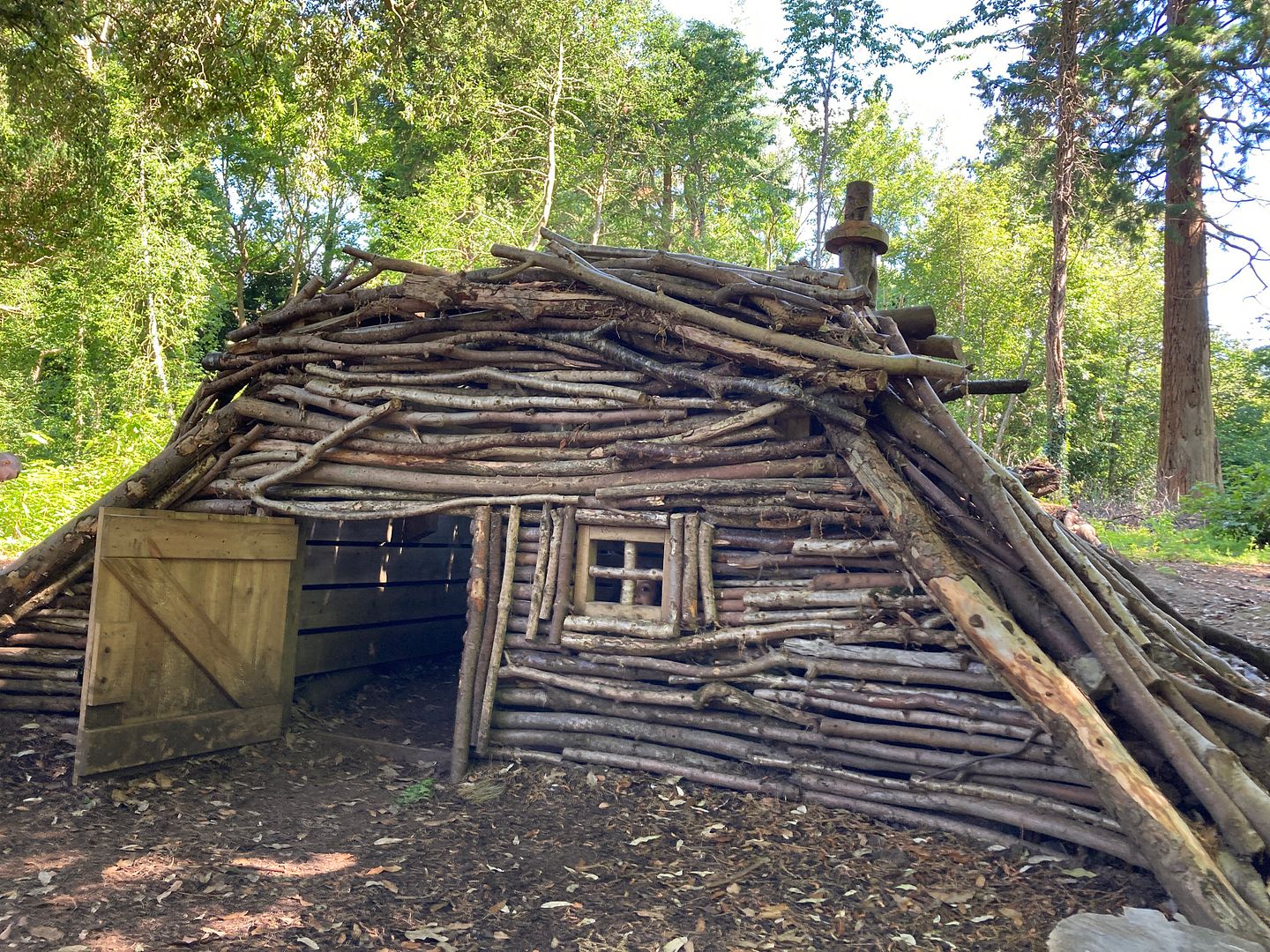
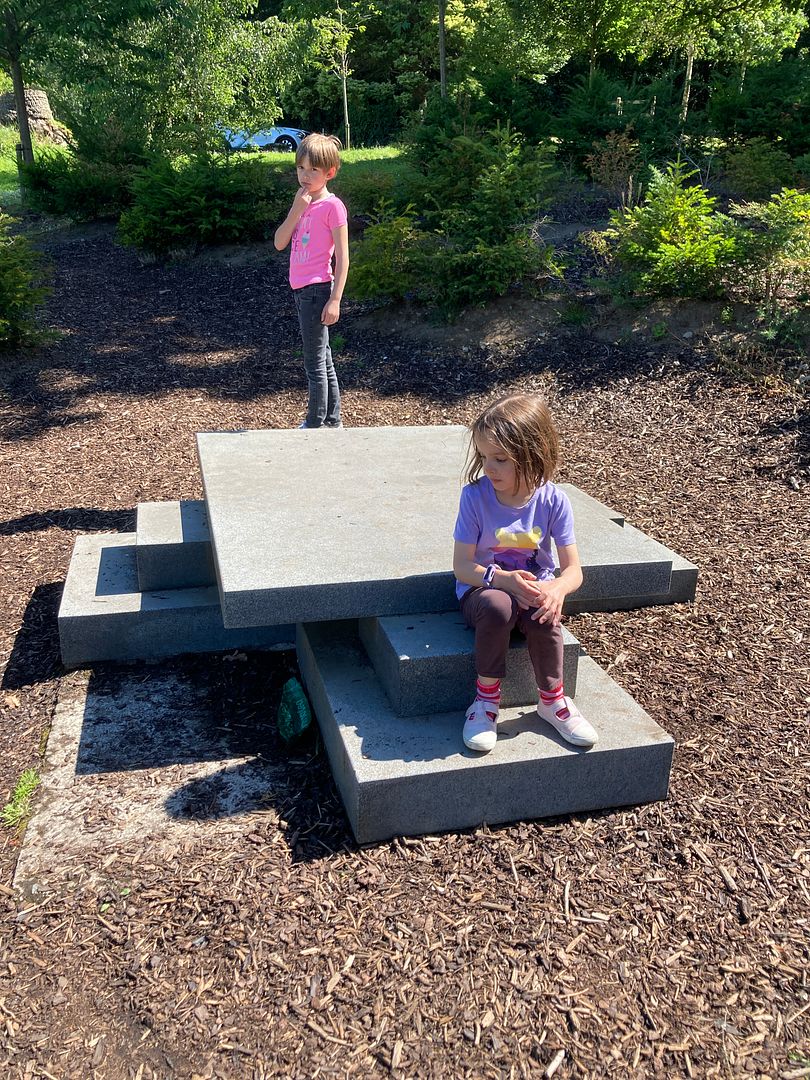
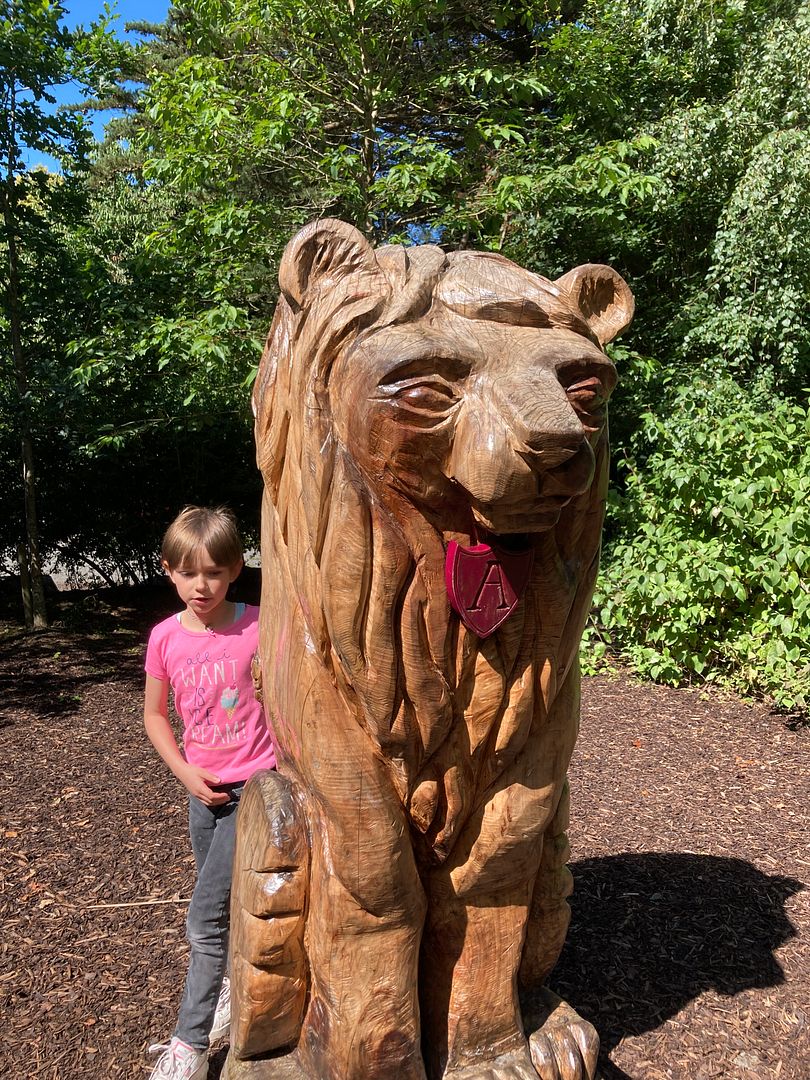
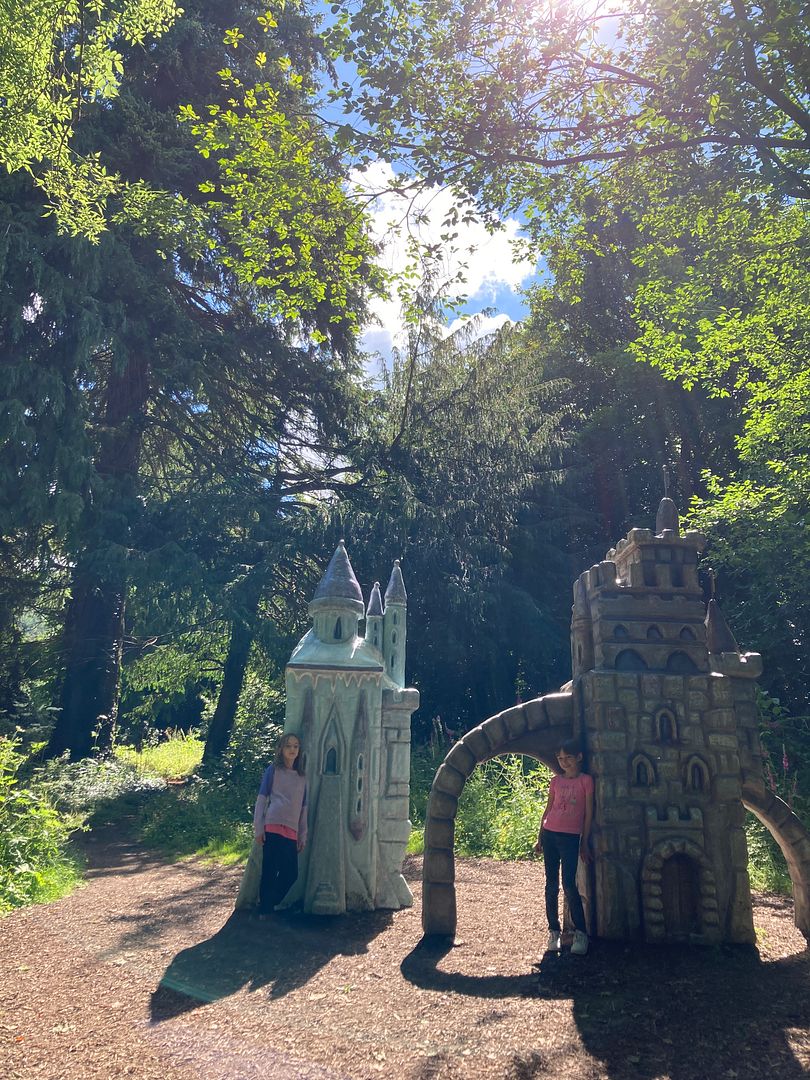
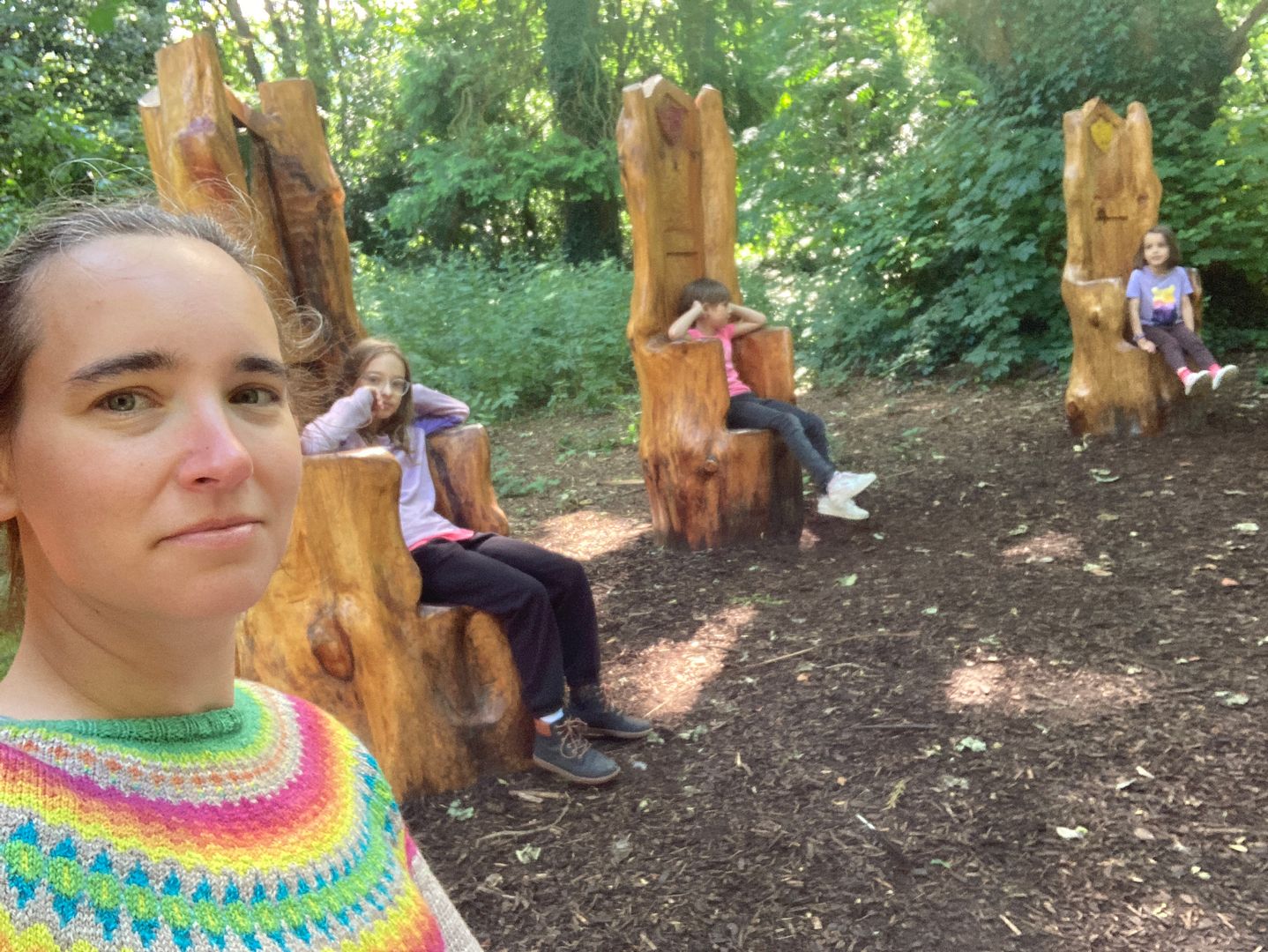
I’m not going to lie – it was just a little bit camp. But the forest itself was real and beautiful, the carvings were made with love, and even the slightly camp has its own sense of hiding a mystery.
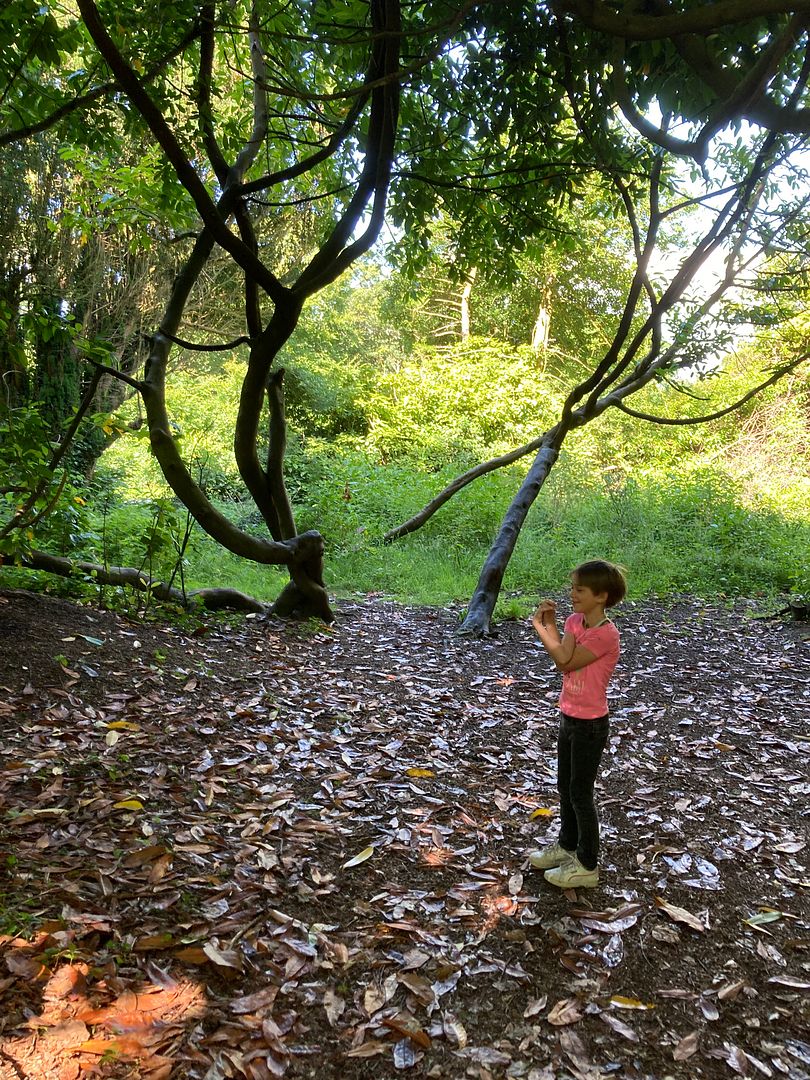
Personally, I was less interested in these re-creations of the story than in the larger park which itself inspired it in the first place.
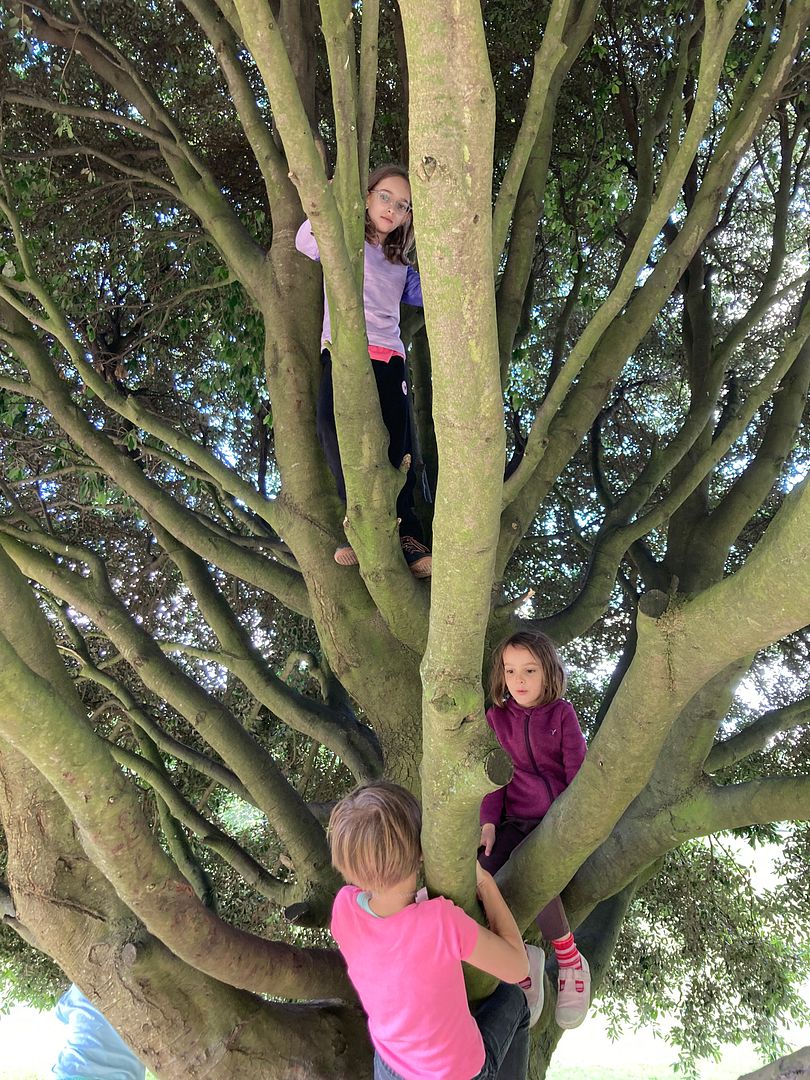
Rostrevor Forest
Leave the visitors’ center spot near the Narnia Trail, with its excellent playground and cafe and large parking lot, and for more interesting hiking, head uphill. Further up and further in, definitely. We drove to the highest parking lot we could, and I talked the girls into hiking up Slieve Martin by letting the girls take turns holding the GPS using the AllTrails app.
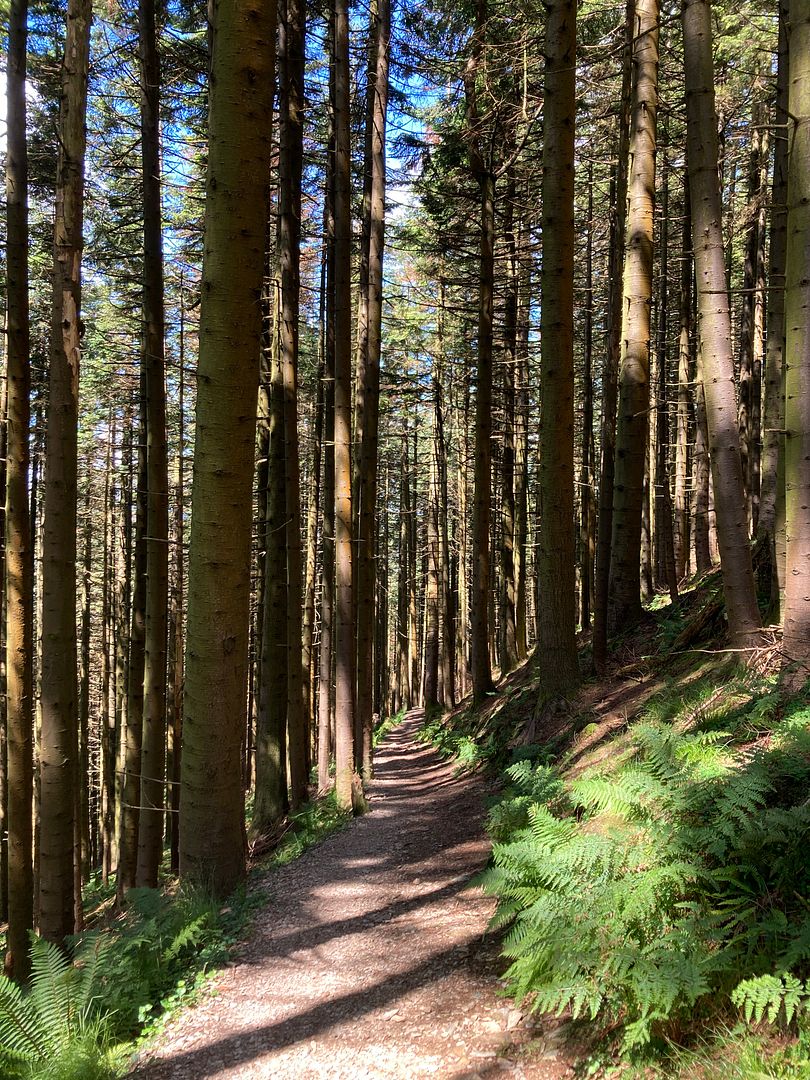
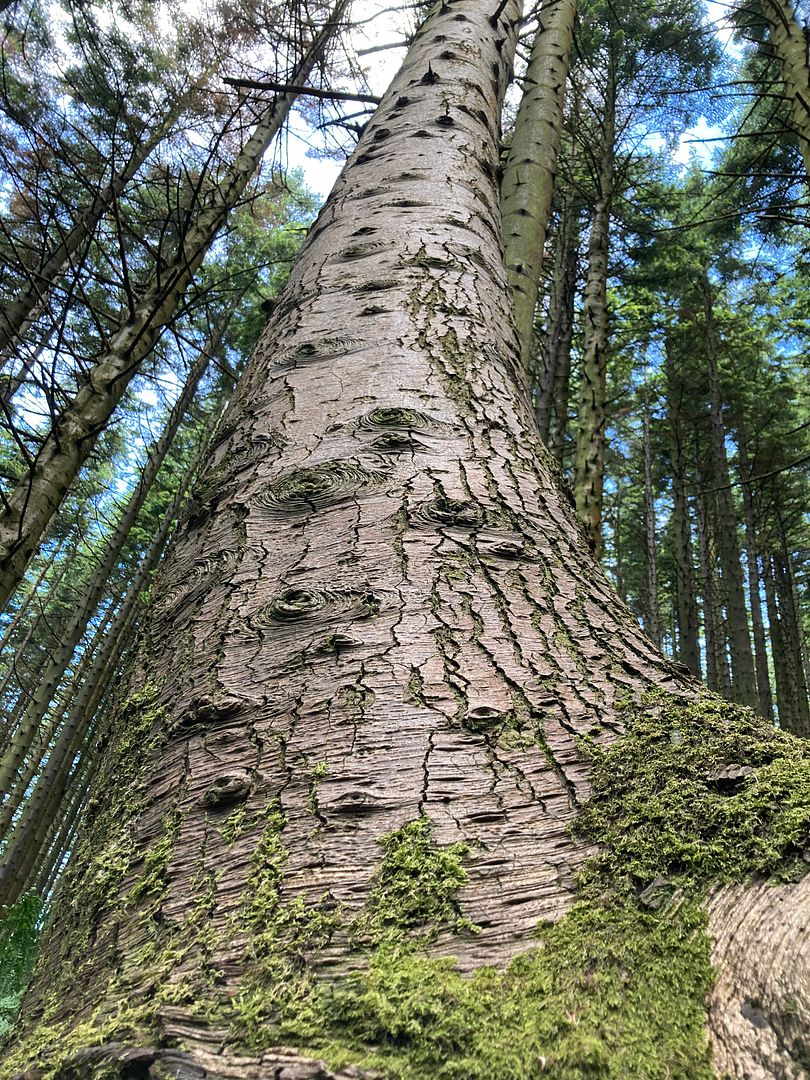
We hiked up into the most ancient, quiet pine forest you can imagine. It was so old that nothing major grew below the canopy that needs light, not even branches on trees, so you could peer through endless columns of tree trunks.
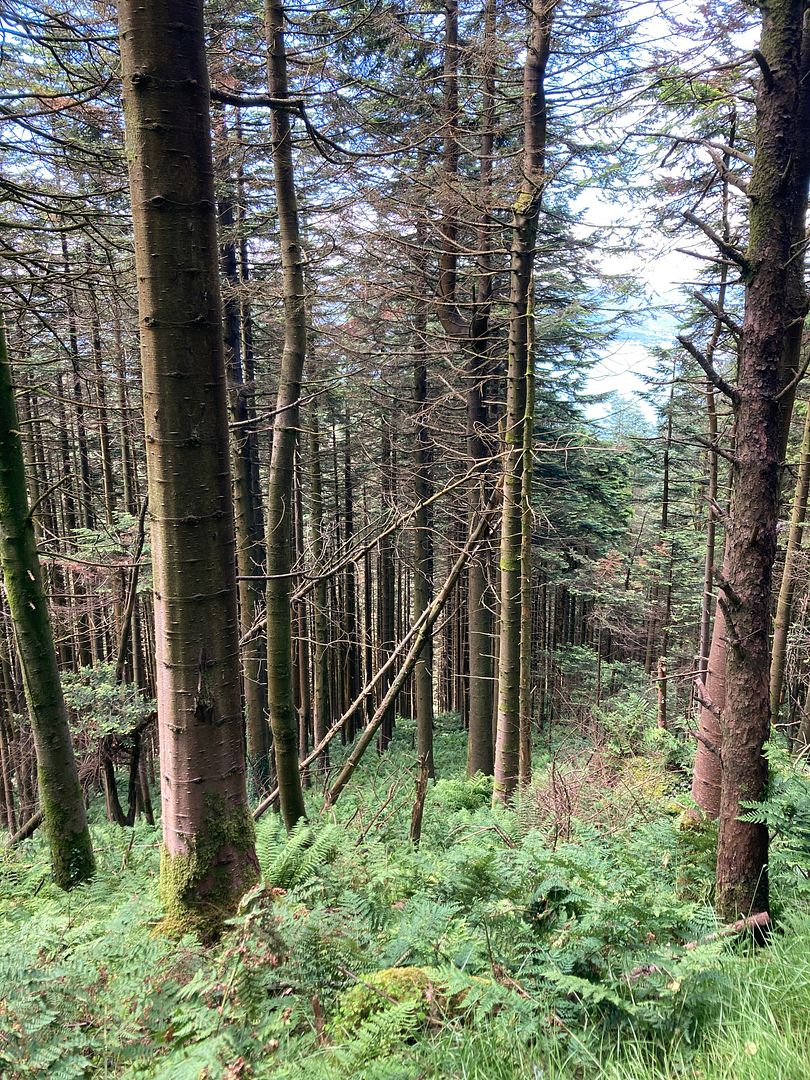
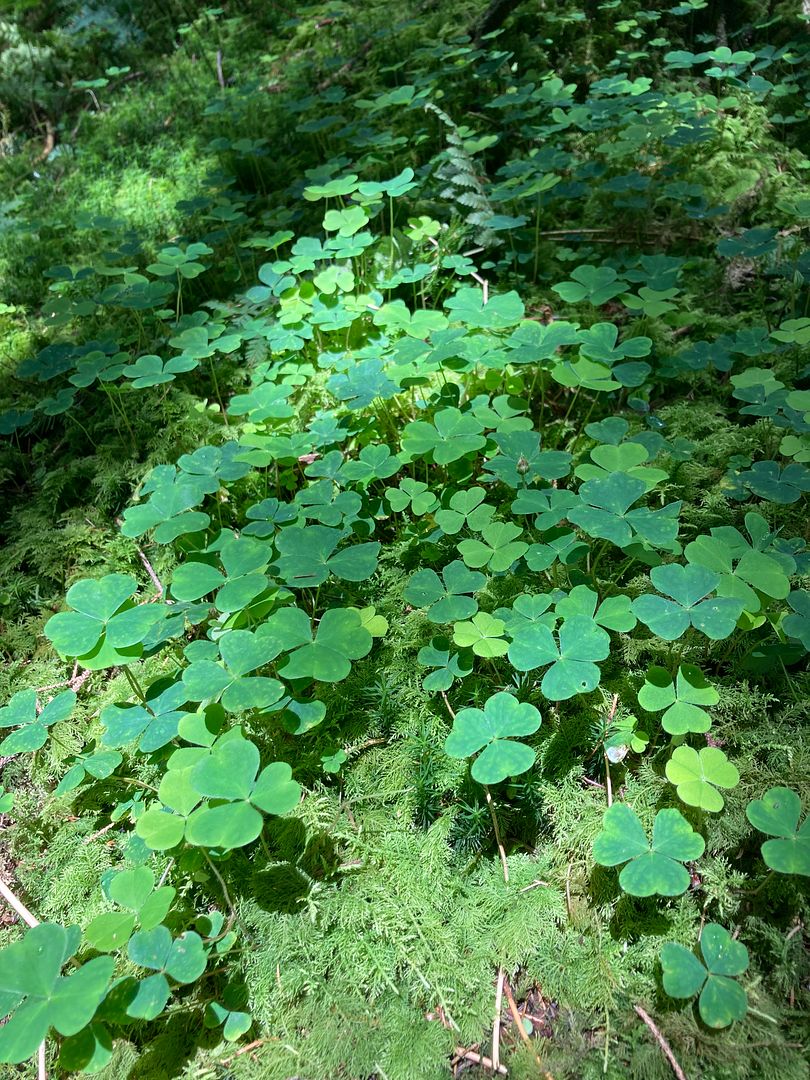
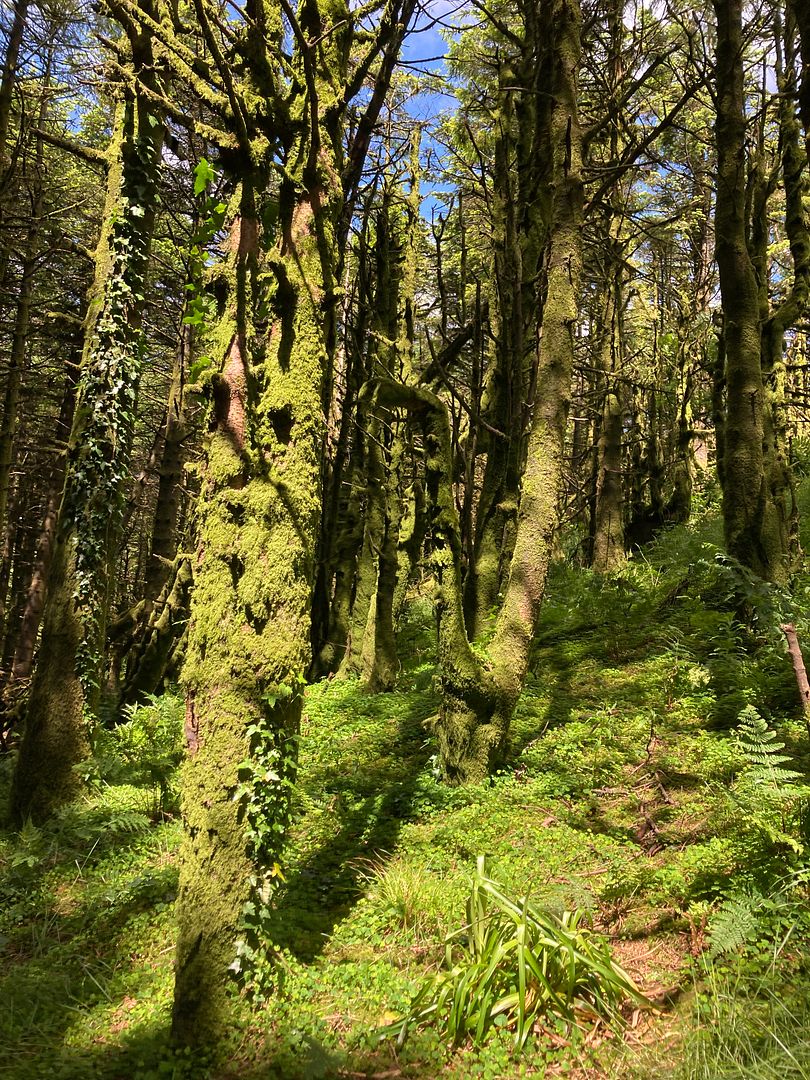
We hiked pretty much straight up for about forty-five minutes, until suddenly the pine trees got very short and mossy, and we emerged past the treeline.
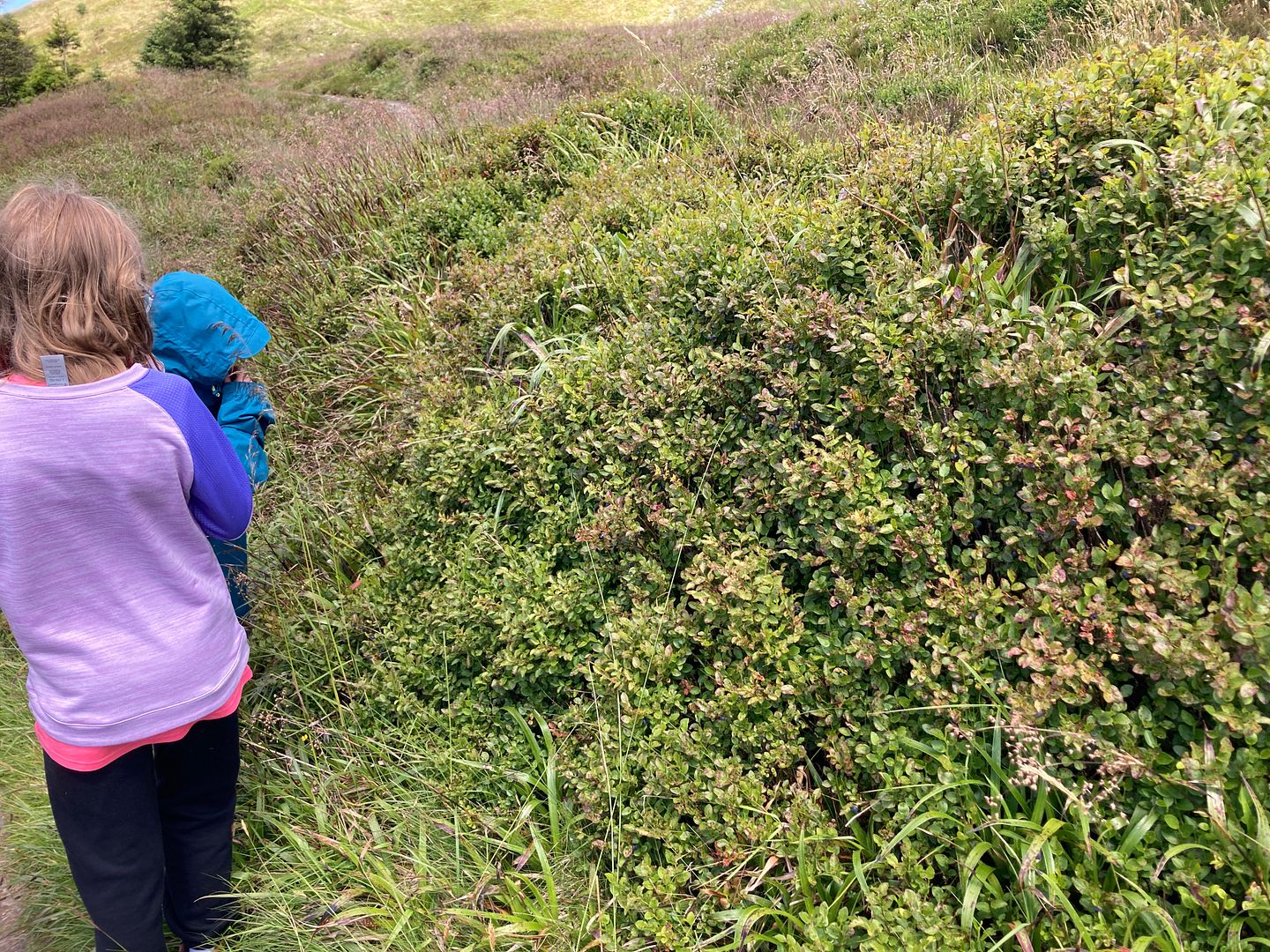
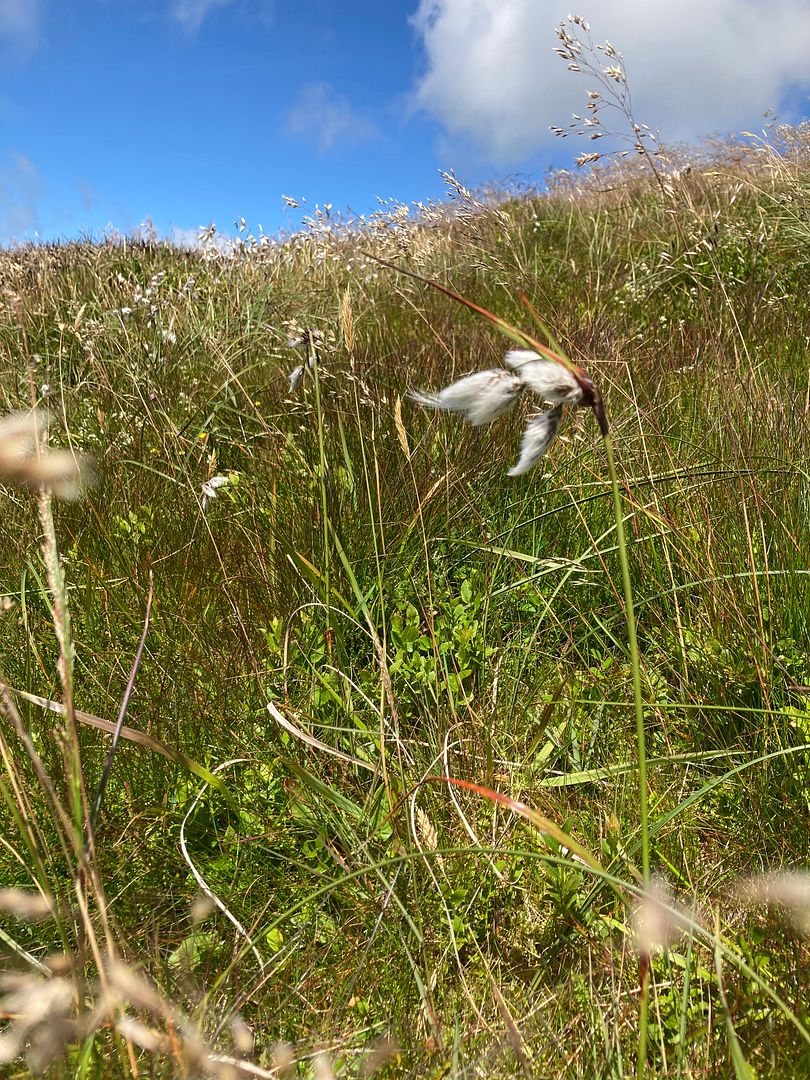
Anywhere in the world that you climb this high, you’re in an arctic biome, and I’m suddenly seeing commonalities with home. We had a blueberry snack from this bush, a larger version of the ground blueberries that grow in the arctic in September.
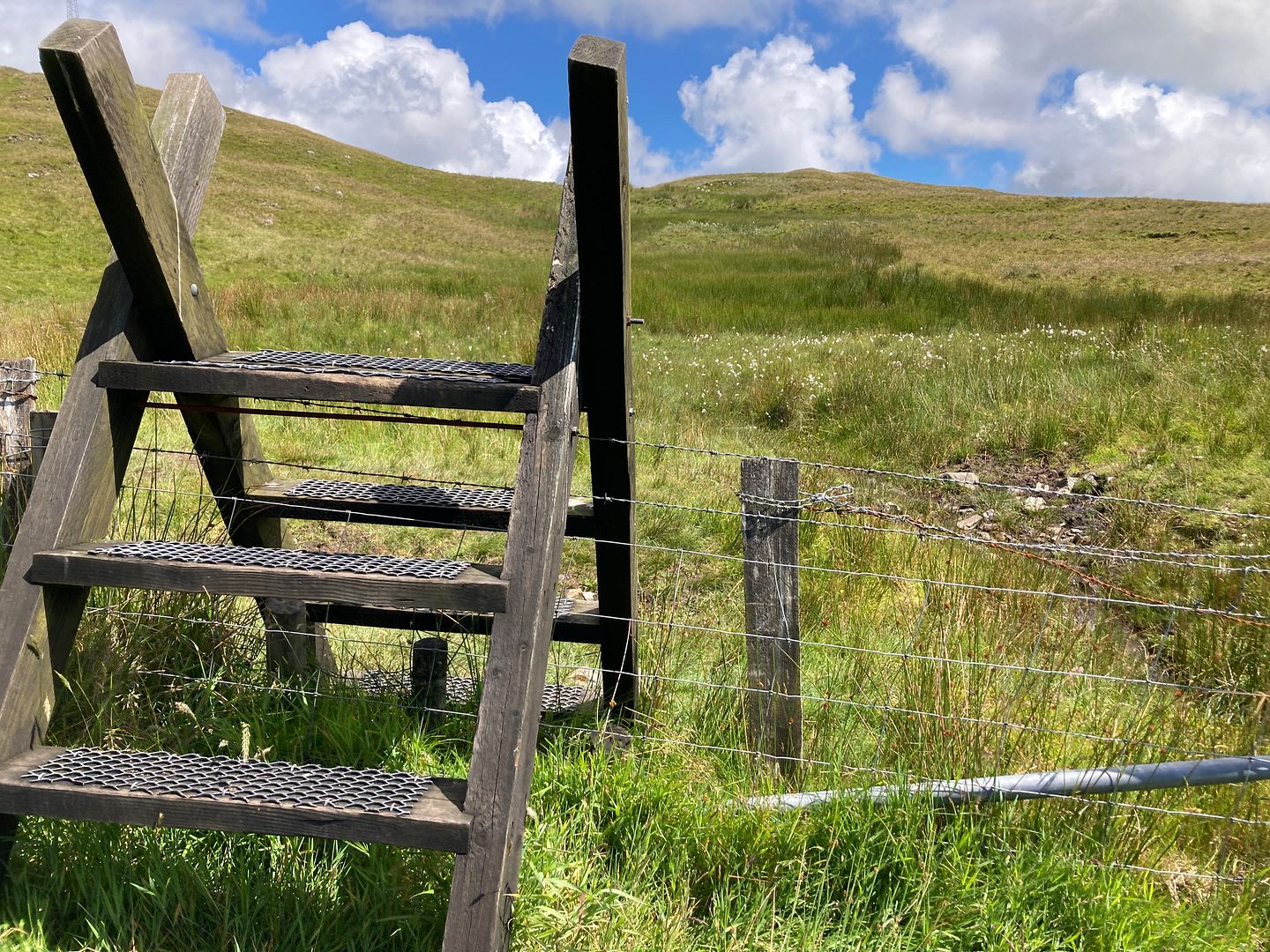
At the top of Slieve Martin, we got a panoramic view of Co. Down and across Carlingford Lough into the Republic of Ireland.
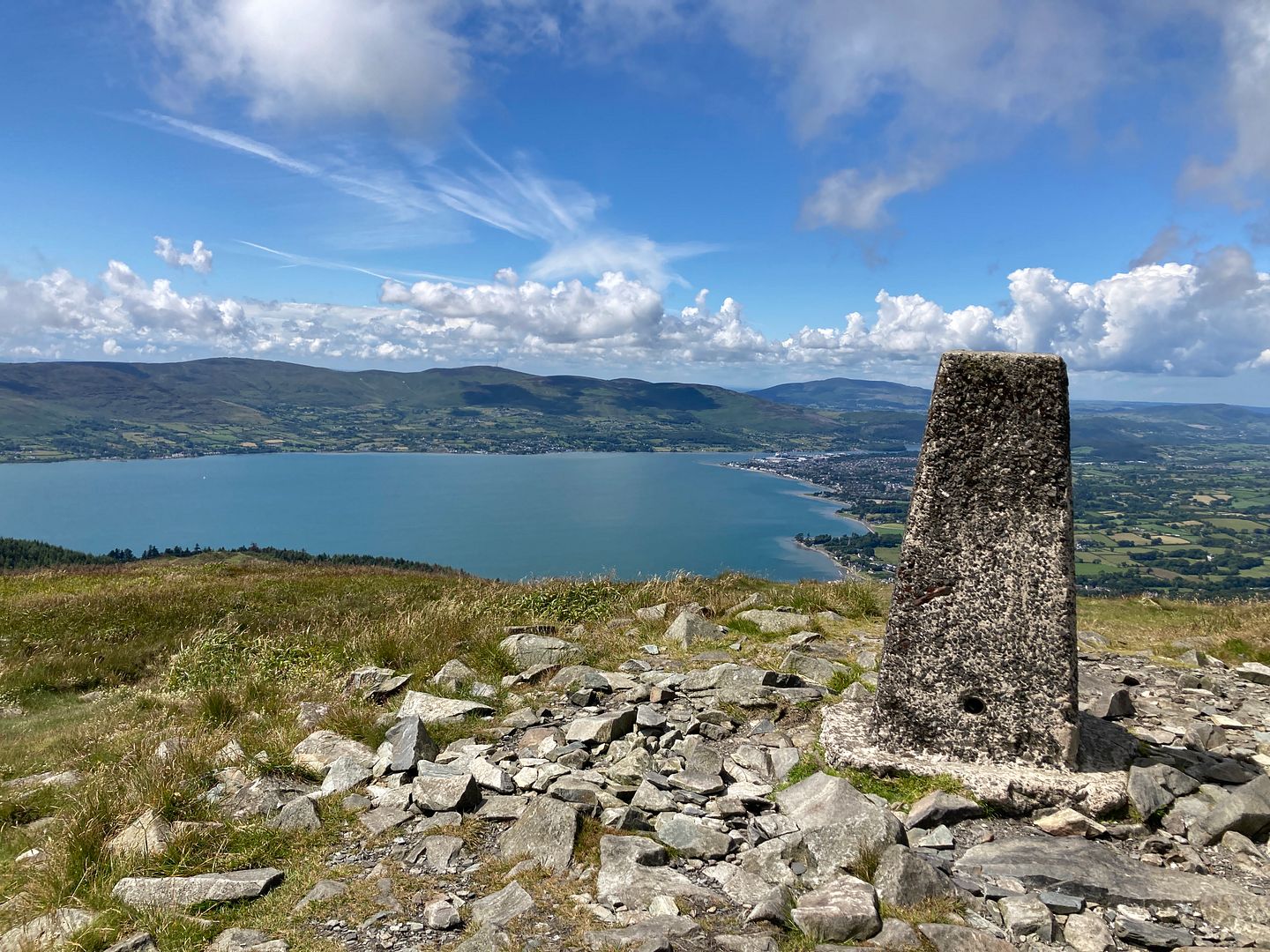
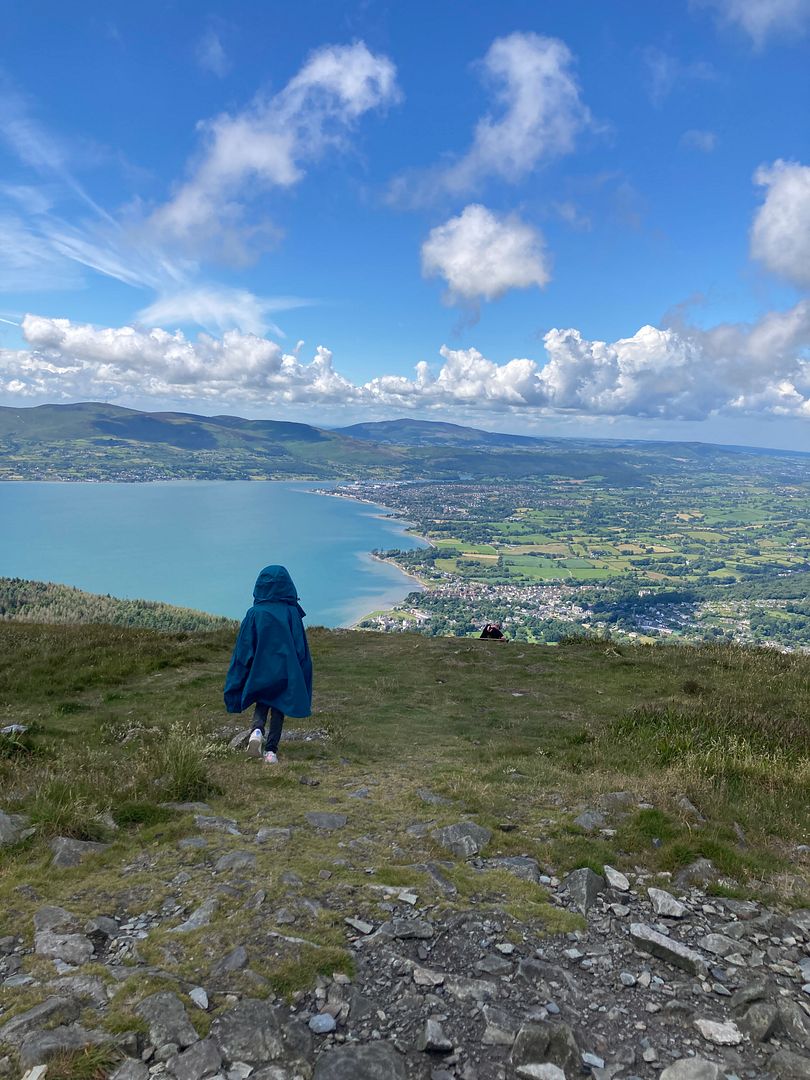
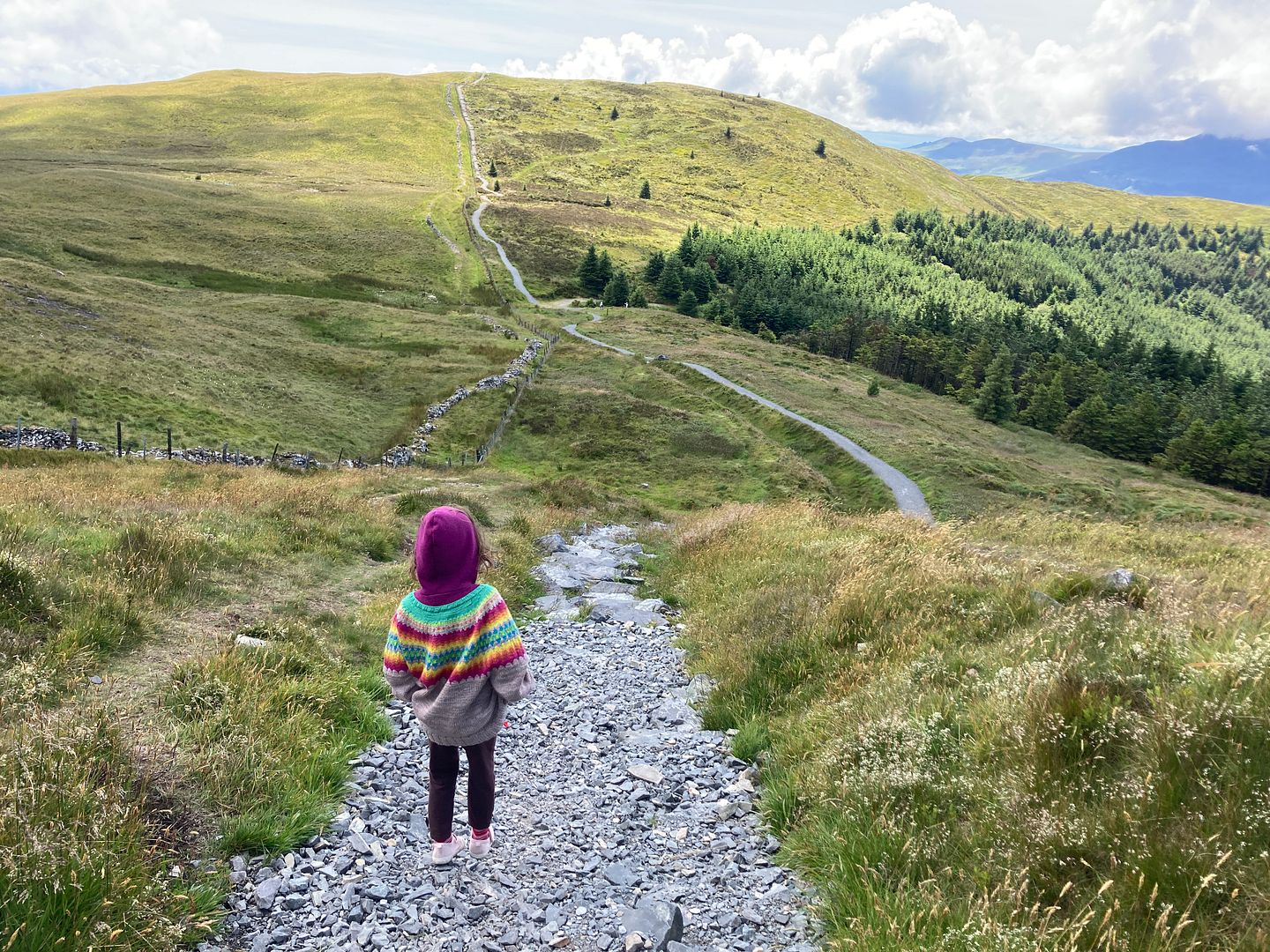
I don’t have the book in front of me, and I dare not delay this post any further by waiting to have my copy at home, but in the chapter in which Aslan leads Susan and Lucy up to the Stone Table, there’s a passage that sounds just like this walk. There’s something about walking through a forest of ancient fir trees, then the view opens out over a body of water. There’s an actual spot quite near where we were that fits the quote exactly, and has a giant glacial deposit rock that may have been the original inspiration for the Stone Table. It was in this same forest, though. There is a temple-like feeling among all these straight columns of trunks, and then when it opens up, it’s majestic. It was quite something reading that passage again and knowing exactly what to picture, rather than just glazing over the scenery. I’ll have to find that passage and edit these notes! But I’ll probably forget if you don’t insist on it in the comments, so please do if you want me to find it.
Tollemore Forest Park
Jared’s hike continued through the Mourne Mountains, and we had one emergency pickup day when it was raining and he was a bit lost. But he got going in earnest the next day from the town of Newcastle. In addition to, ahem, buying a whack ton of acrylic yarn there for my kids:
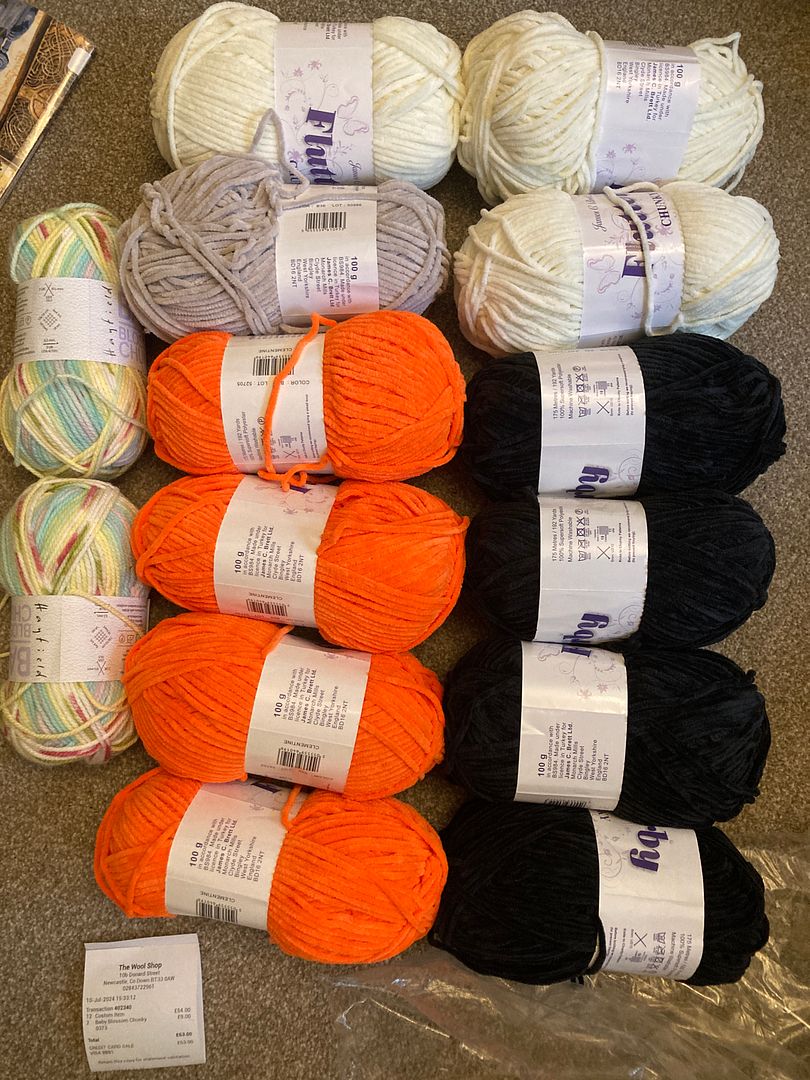
… as I say, in addition to that, we went to Tollemore Forest Park. This park is an attraction in particular for Game of Thrones fans, of which, no offense, I am NOT one. It was, however, a hike in our little book of hikes. It was a drizzly day when we attempted this walk, so we called this our proper Irish weather walking experience.
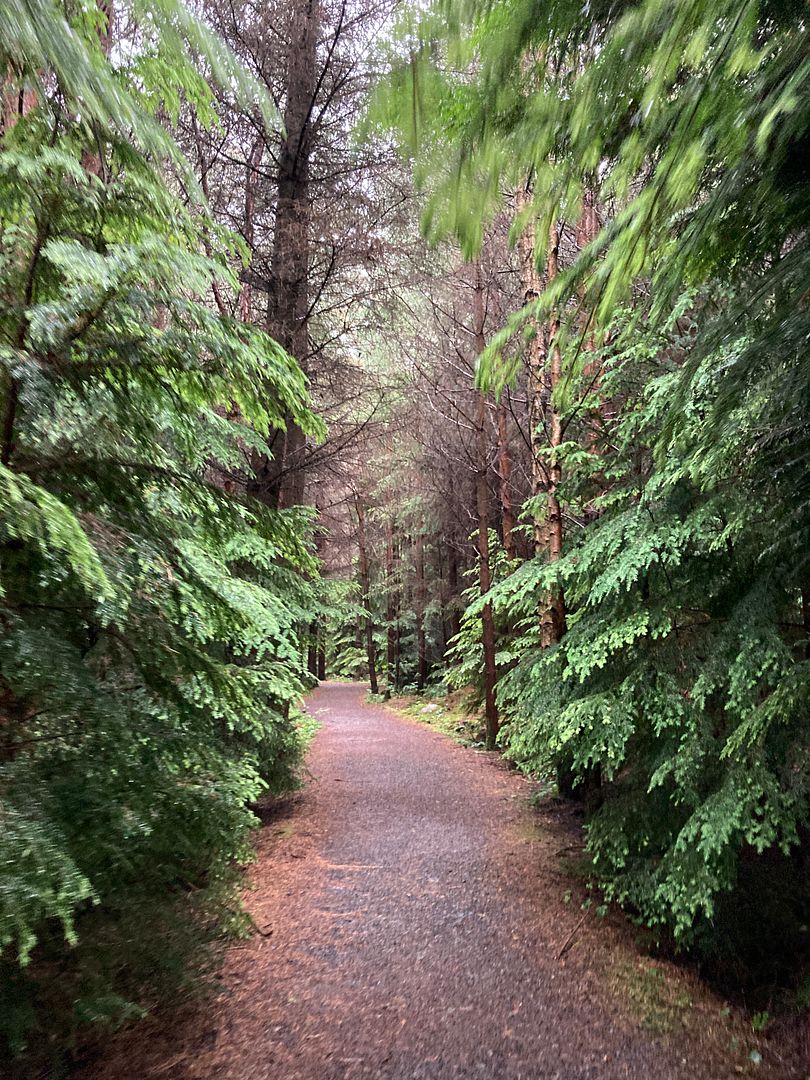
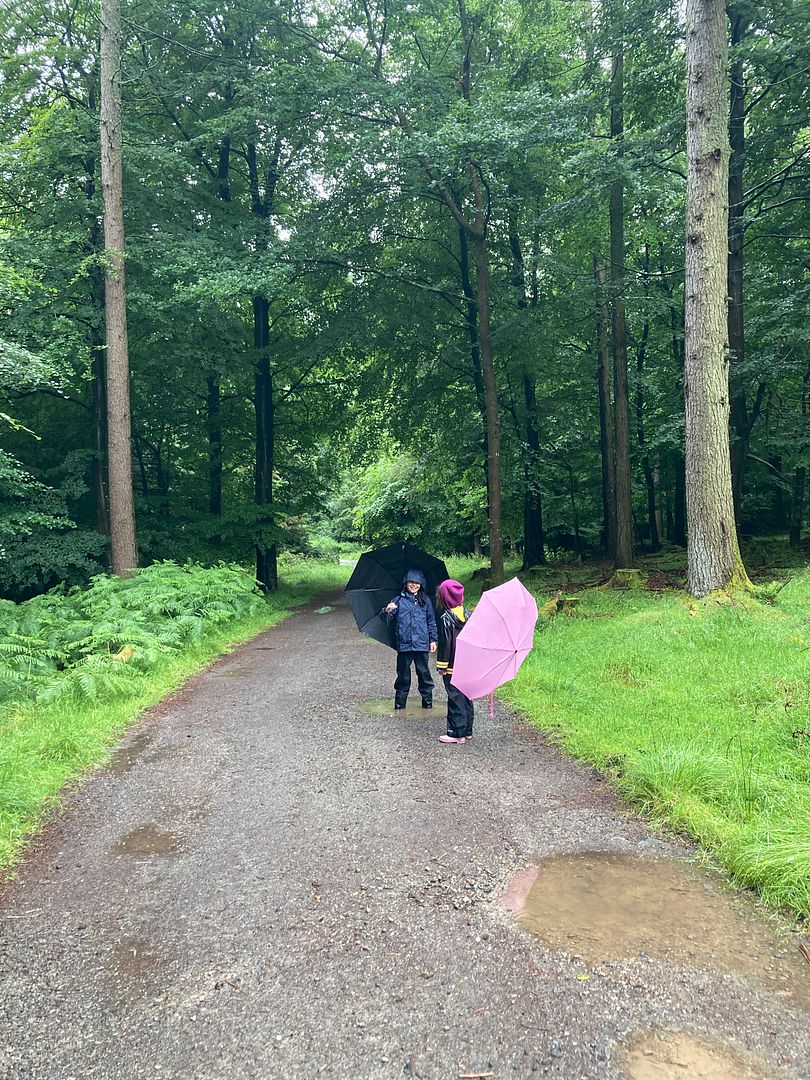
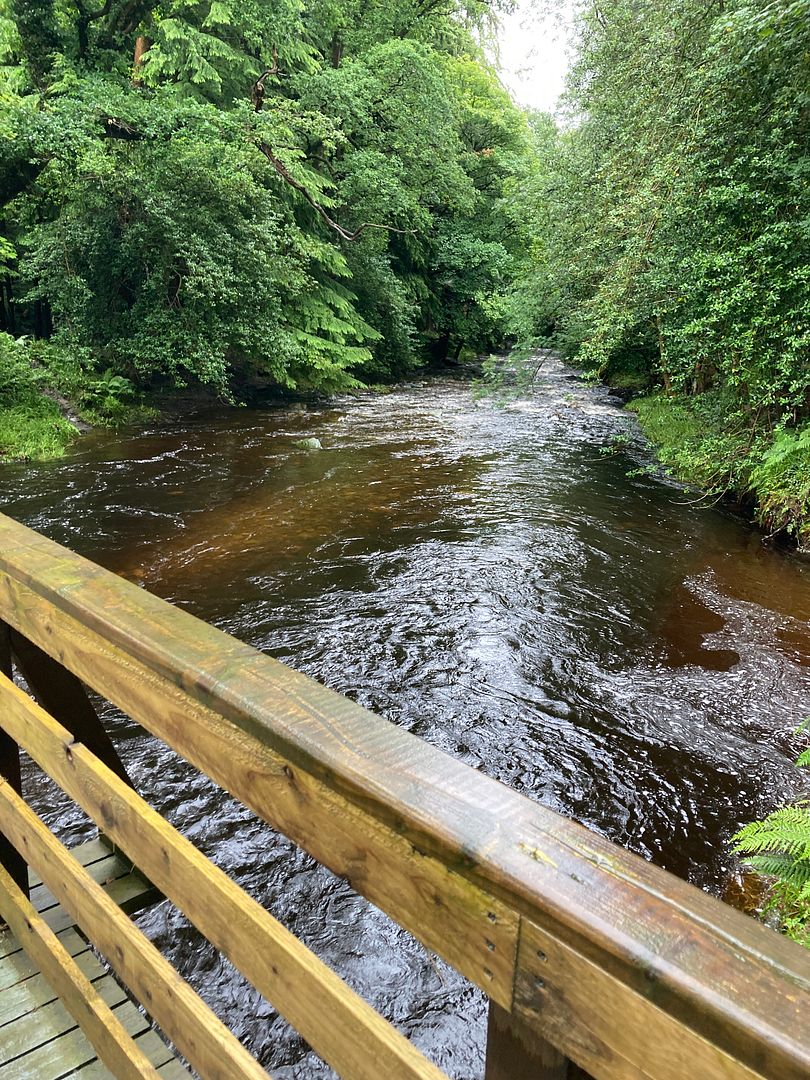
It was, indeed, a beautiful old forest, with diverse species of trees and groundcover. There were old bridges and noisy streams.
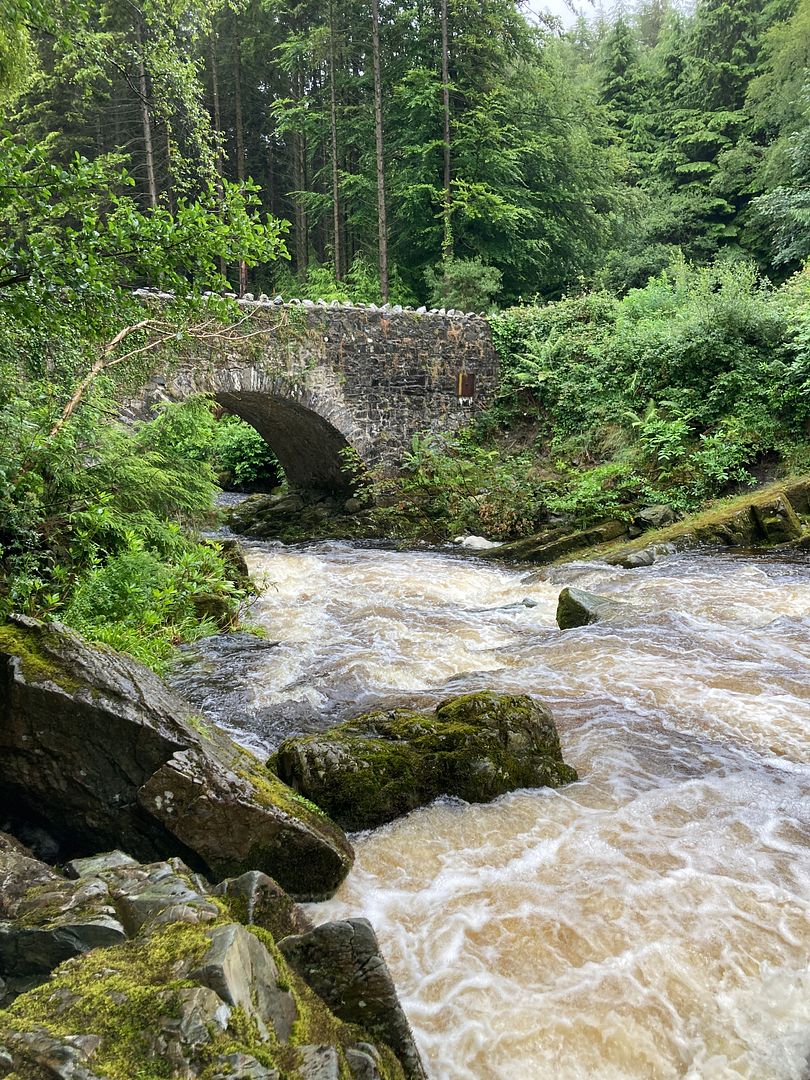
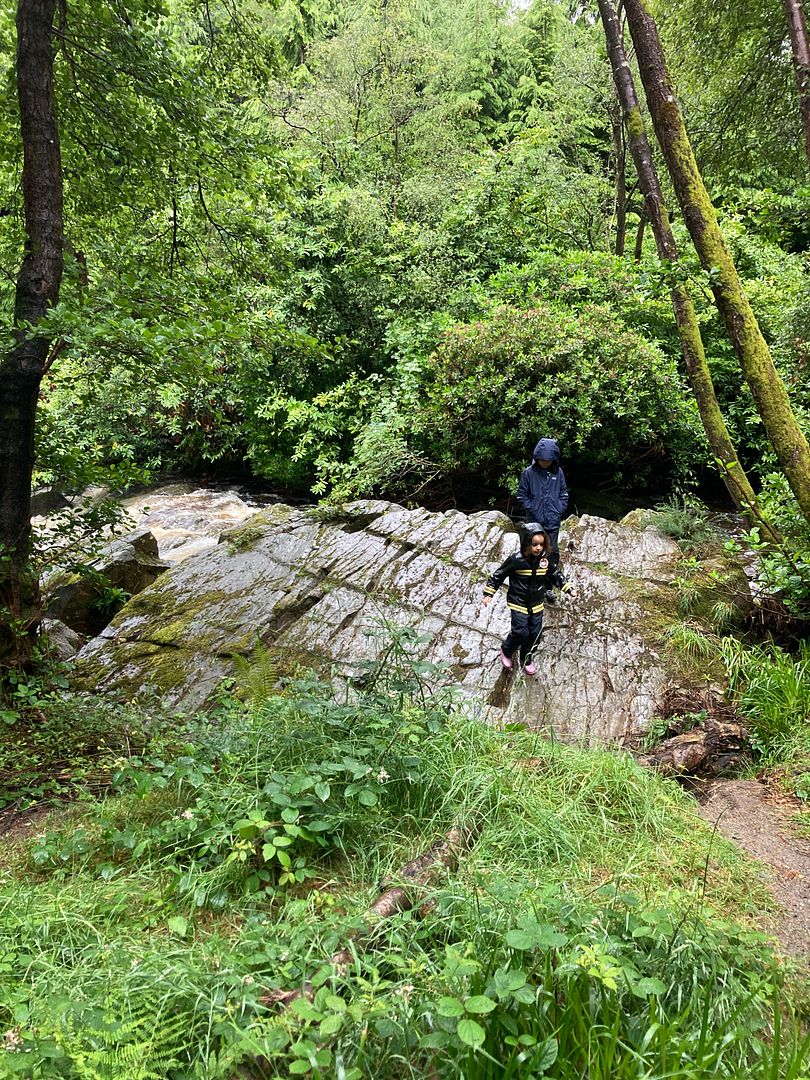
St. Patrick’s Way cuts through this park, and funnily enough, the little bit of this pilgrimage trail that the girls and I got to walk on, we trod before Jared did. Intrepid man, he went and re-did the bit that he had to miss due to weather. The marker was on one end of the bridge below.
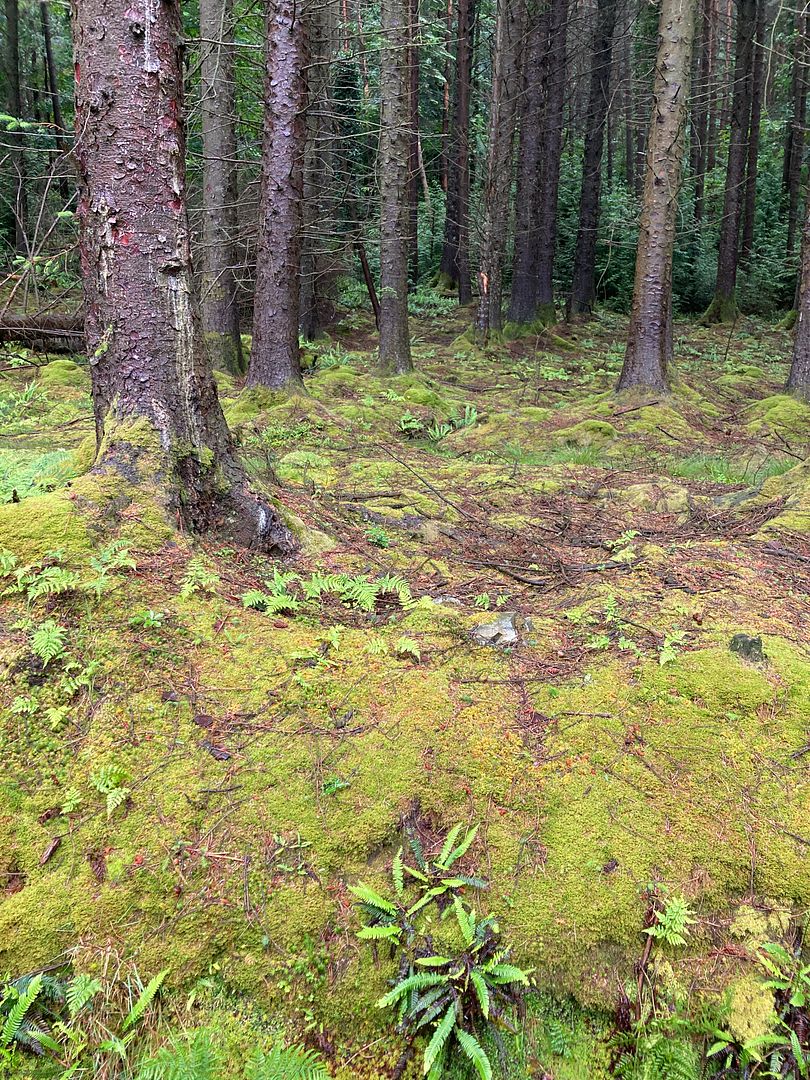
There were more old pines in this forest, and deep moss, and shamrocks. The regular gentle rain means that green things grow on just about any surface they can find. But this forest was more diverse, with plenty of smaller trees, some deciduous trees, and more undergrowth.
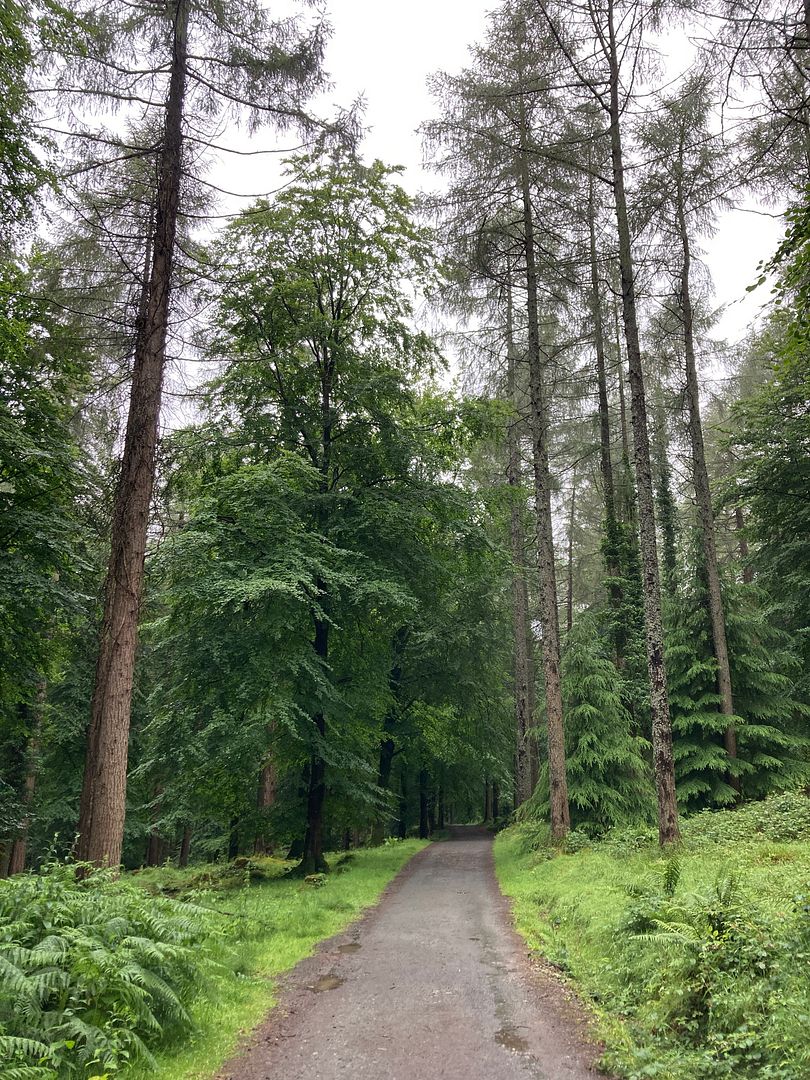
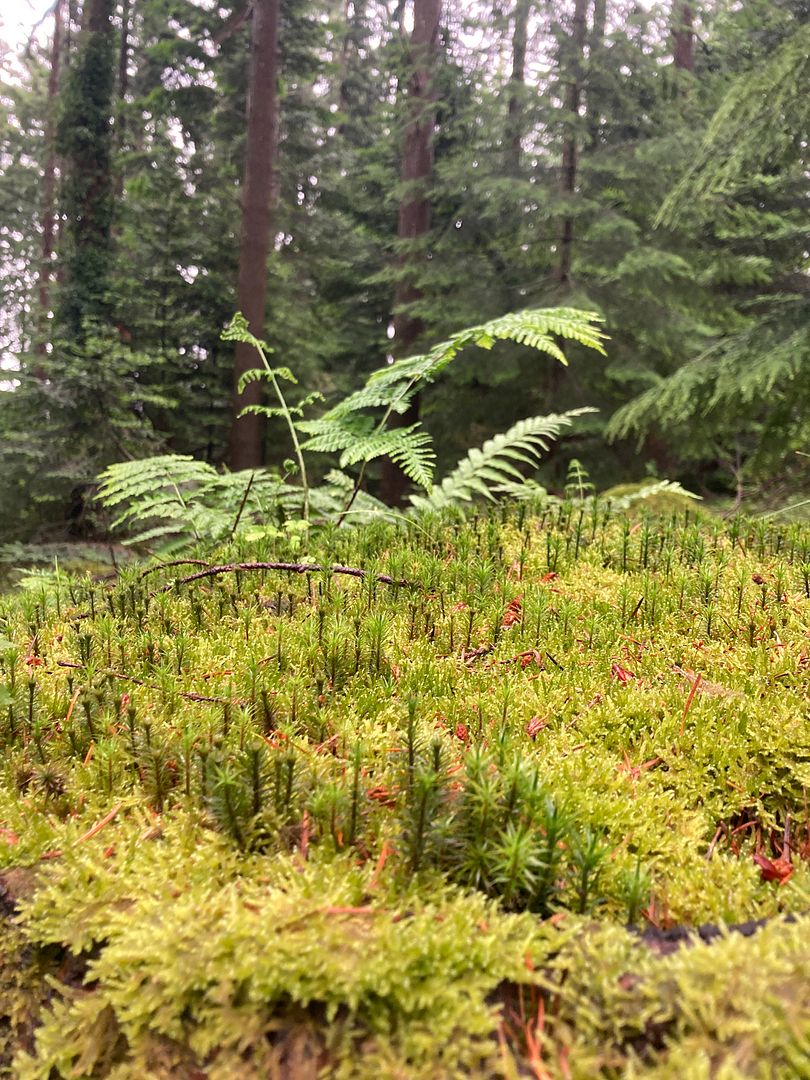
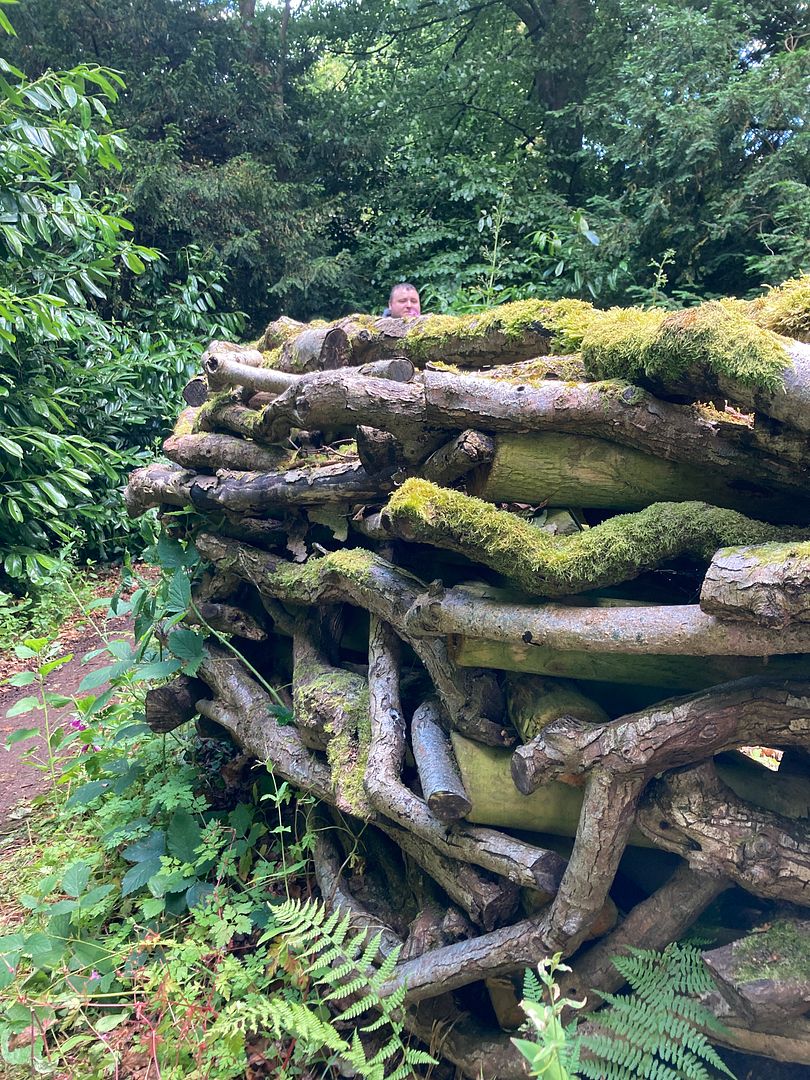
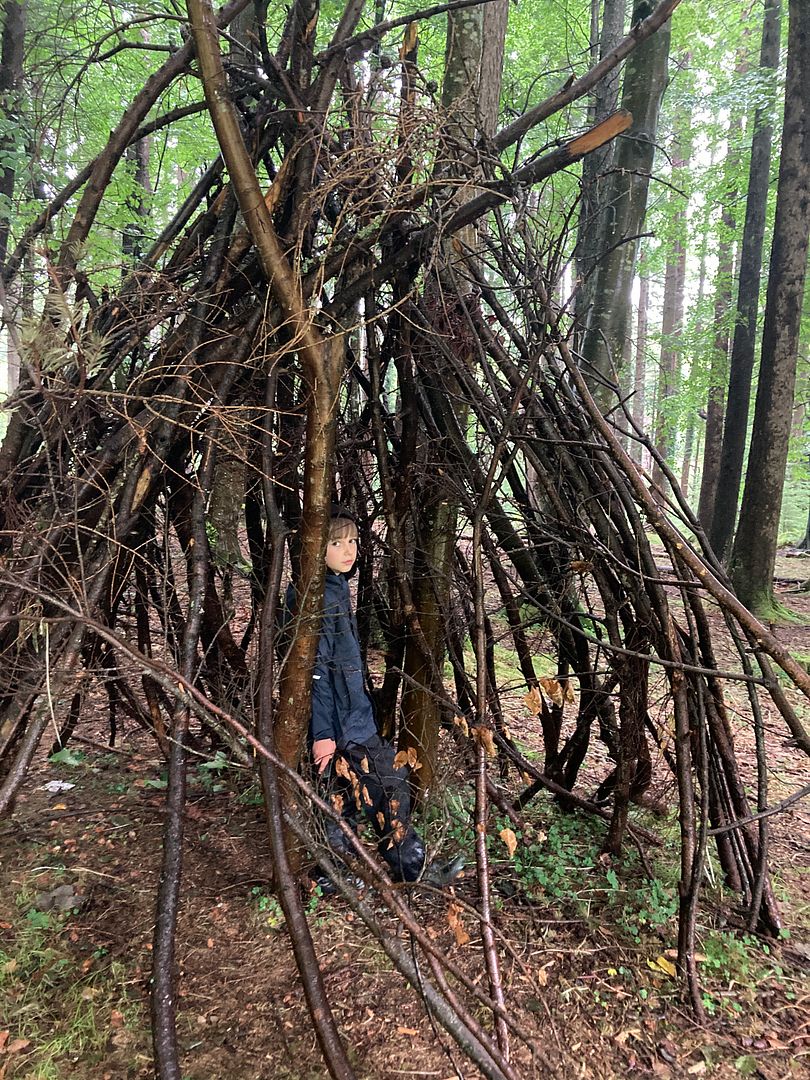
In an effort to make our hike shorter and easier, we used our app to cut off a few loops of the trail. We may have thus been cutting off the only parts of the trail that would have climbed up to give us a good view of the surrounding area. But the girls had no regrets, the climbing is their least favourite! Someone had built a lean-to out of twigs, which was slightly dryer.
But the real reward was back in Newcastle. We went to Nugelato both before and after this hike; we were at that point with the amount of frozen-dairy-bribery required!

Tyrella Beach
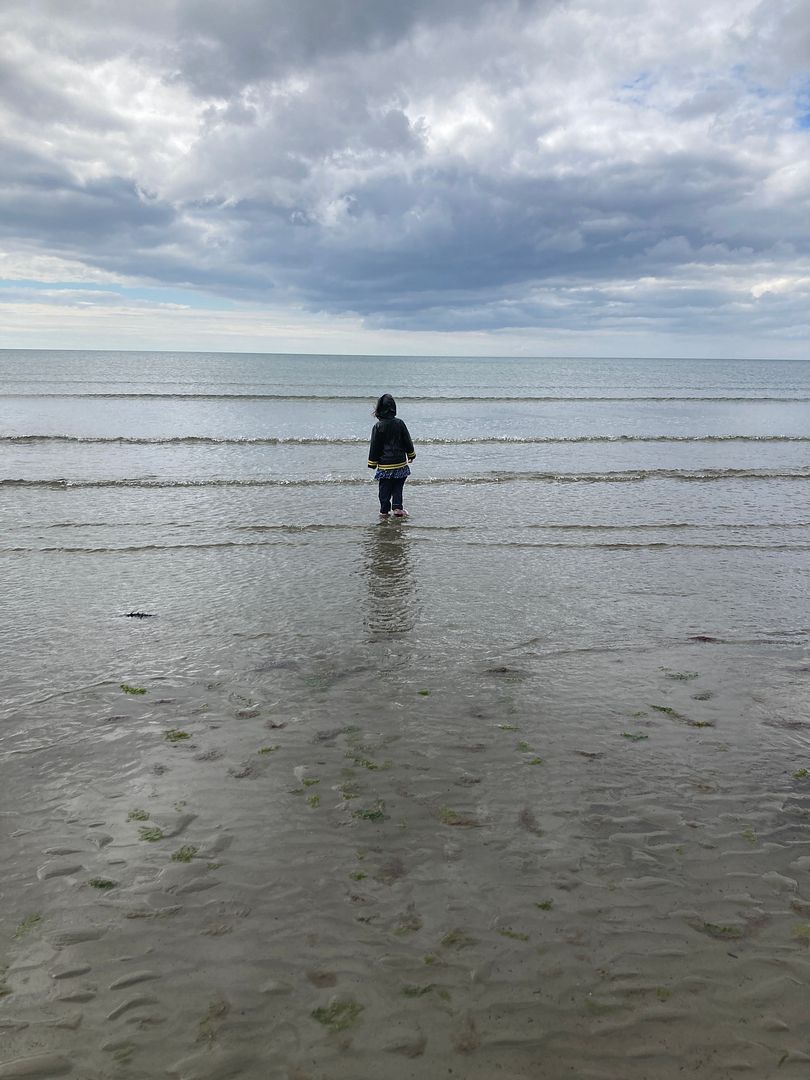
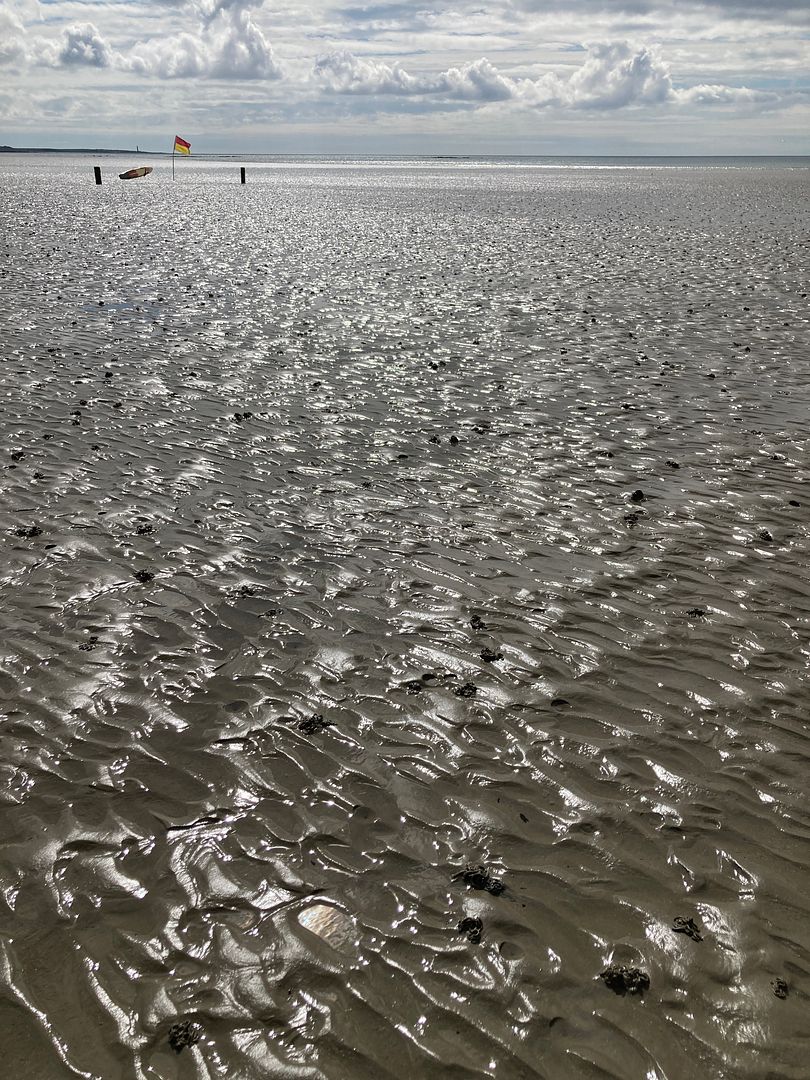
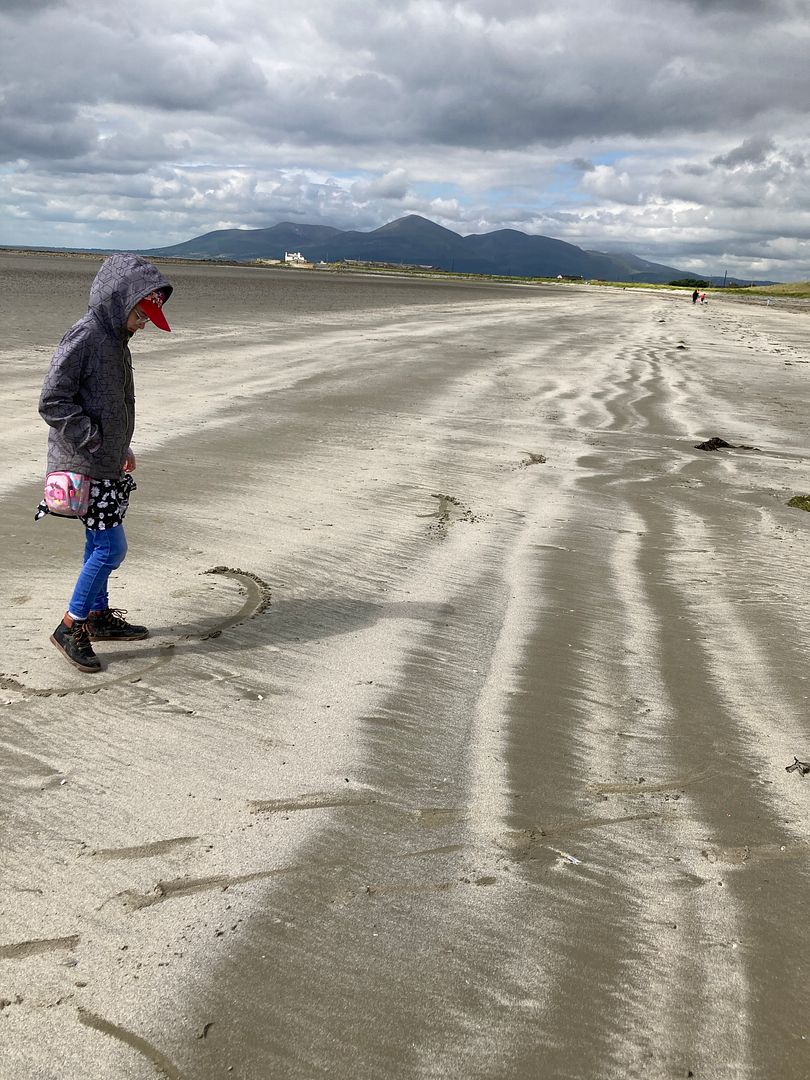
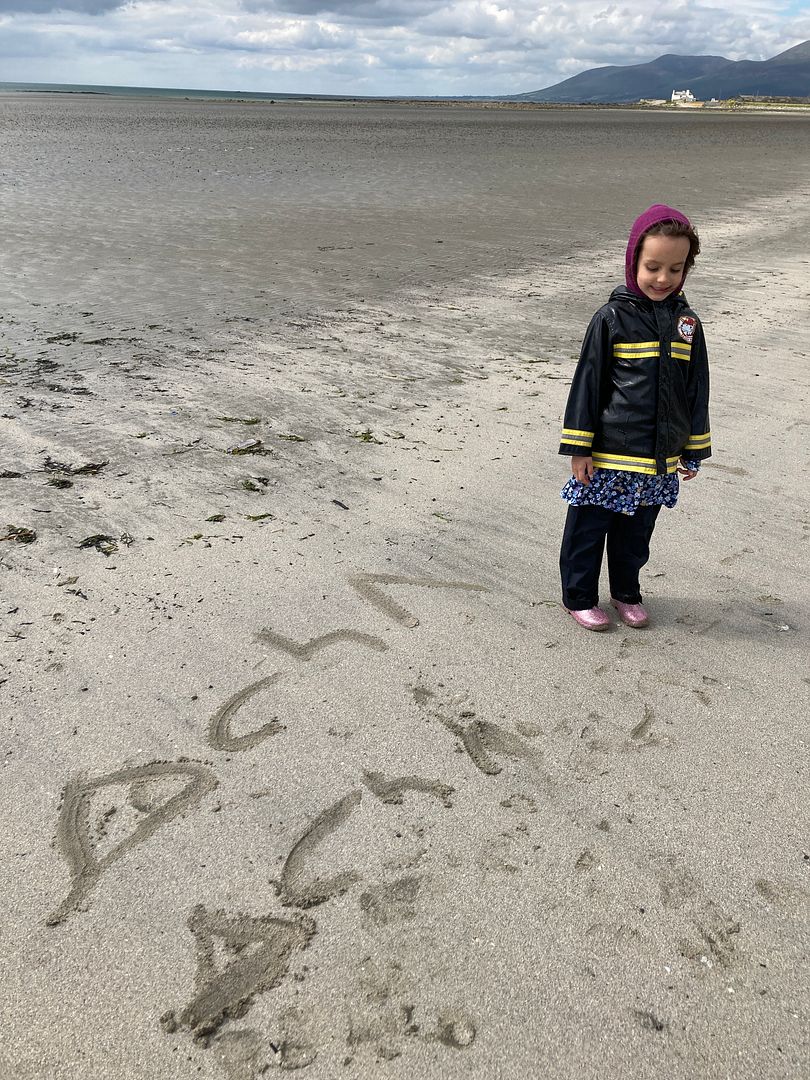
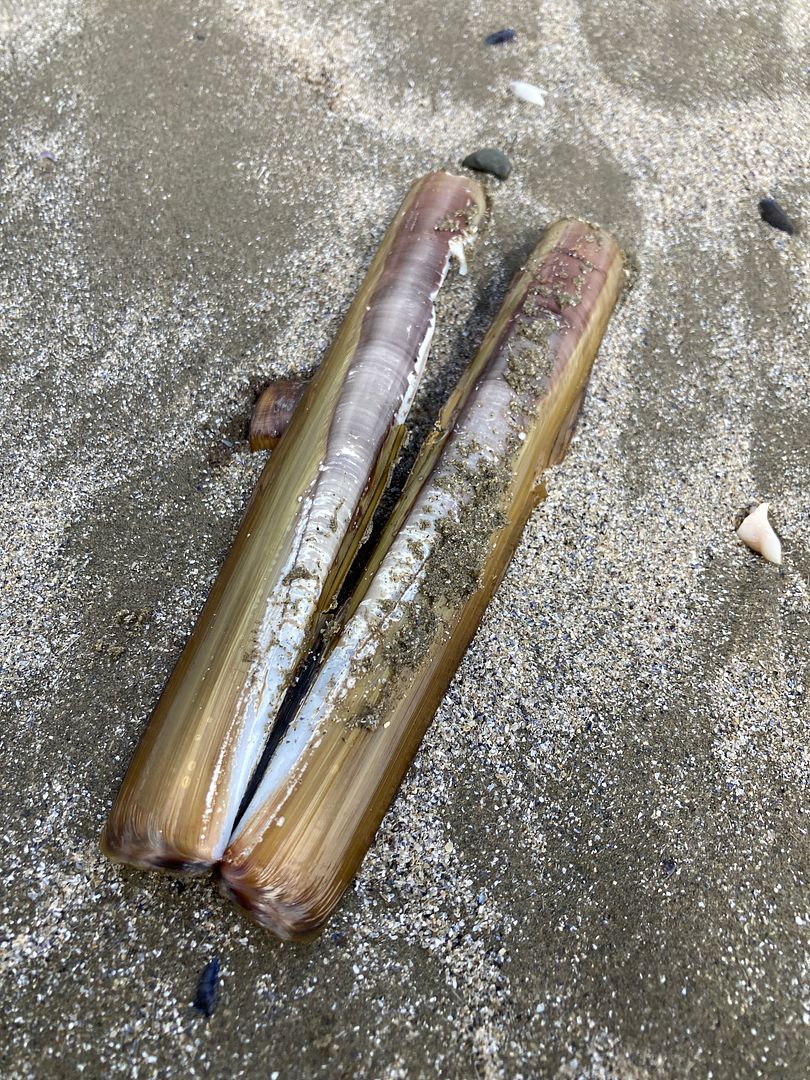
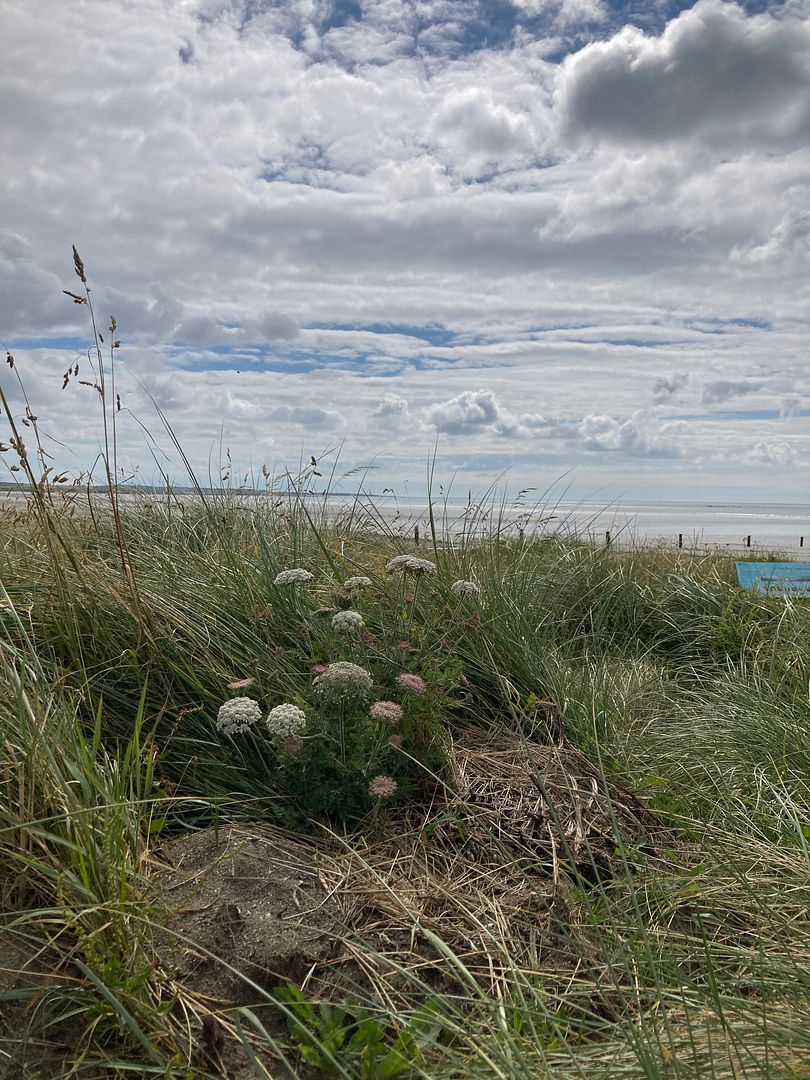
On Jared’s last day, because of how things worked out, we had to drop him off and pick him up on the same day. We dropped him off near Tyrella Beach, so we decided to see what said beach has to offer. It turned out to be a deep tidal flat with multitudinous evidence of razor clams.
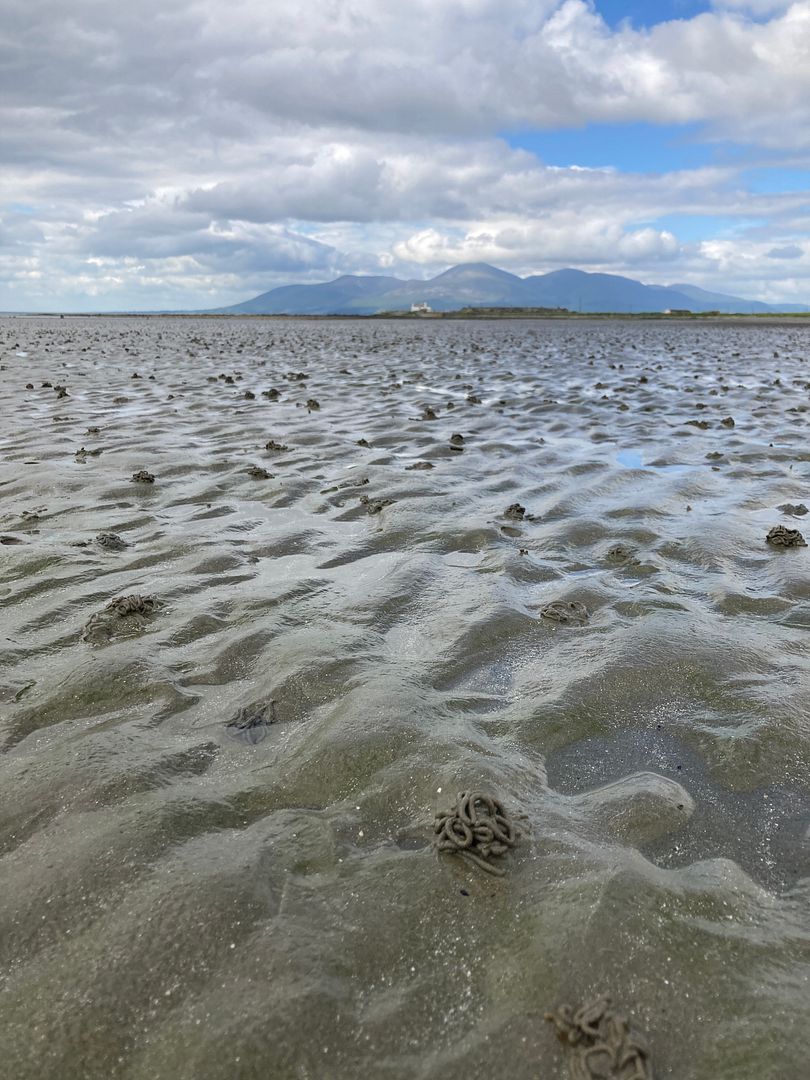
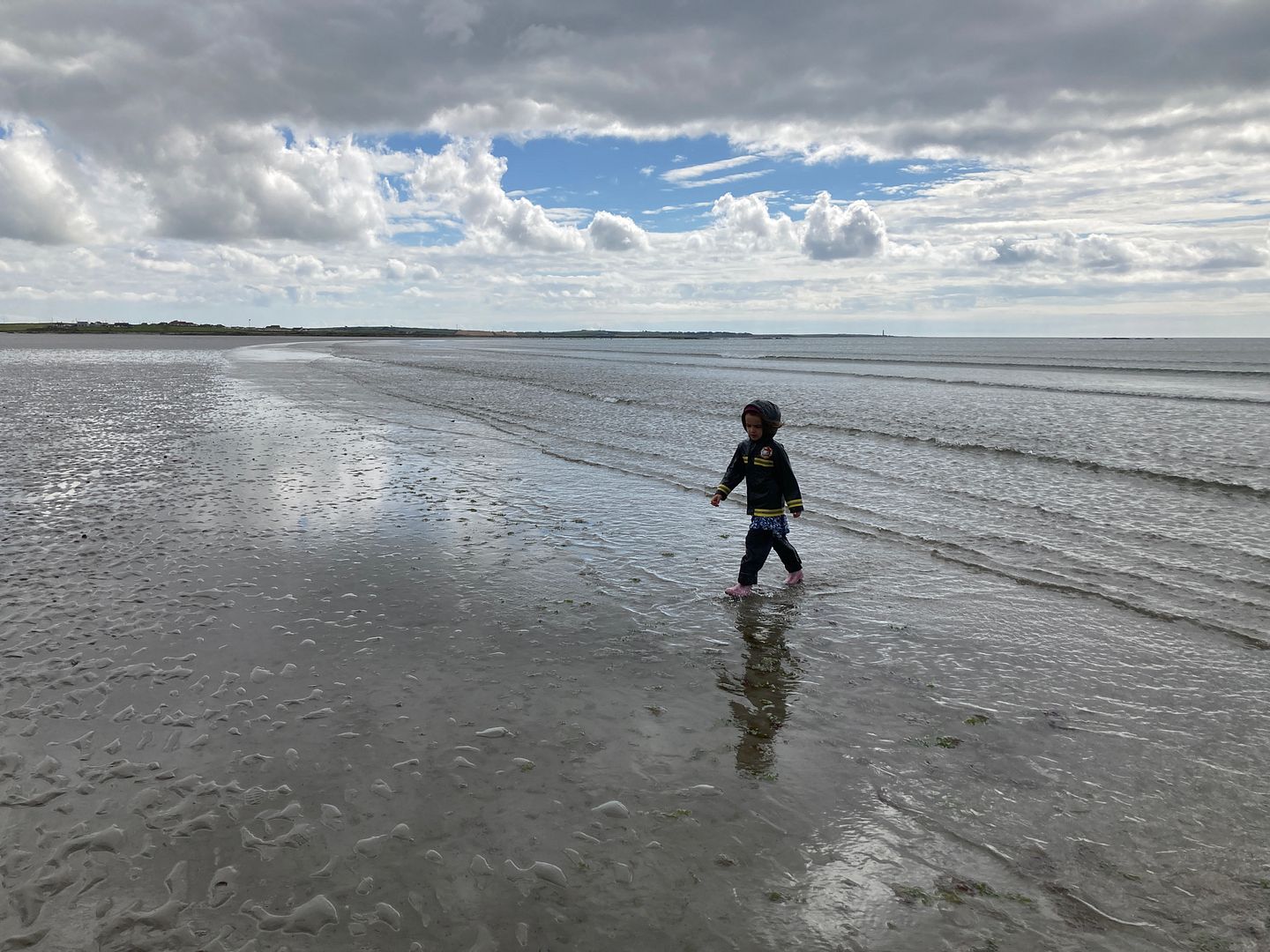
This spot was striking, mysterious, and very windy. We just explored for a bit until we got cold, and someone got water in their boot.
Downpatrick
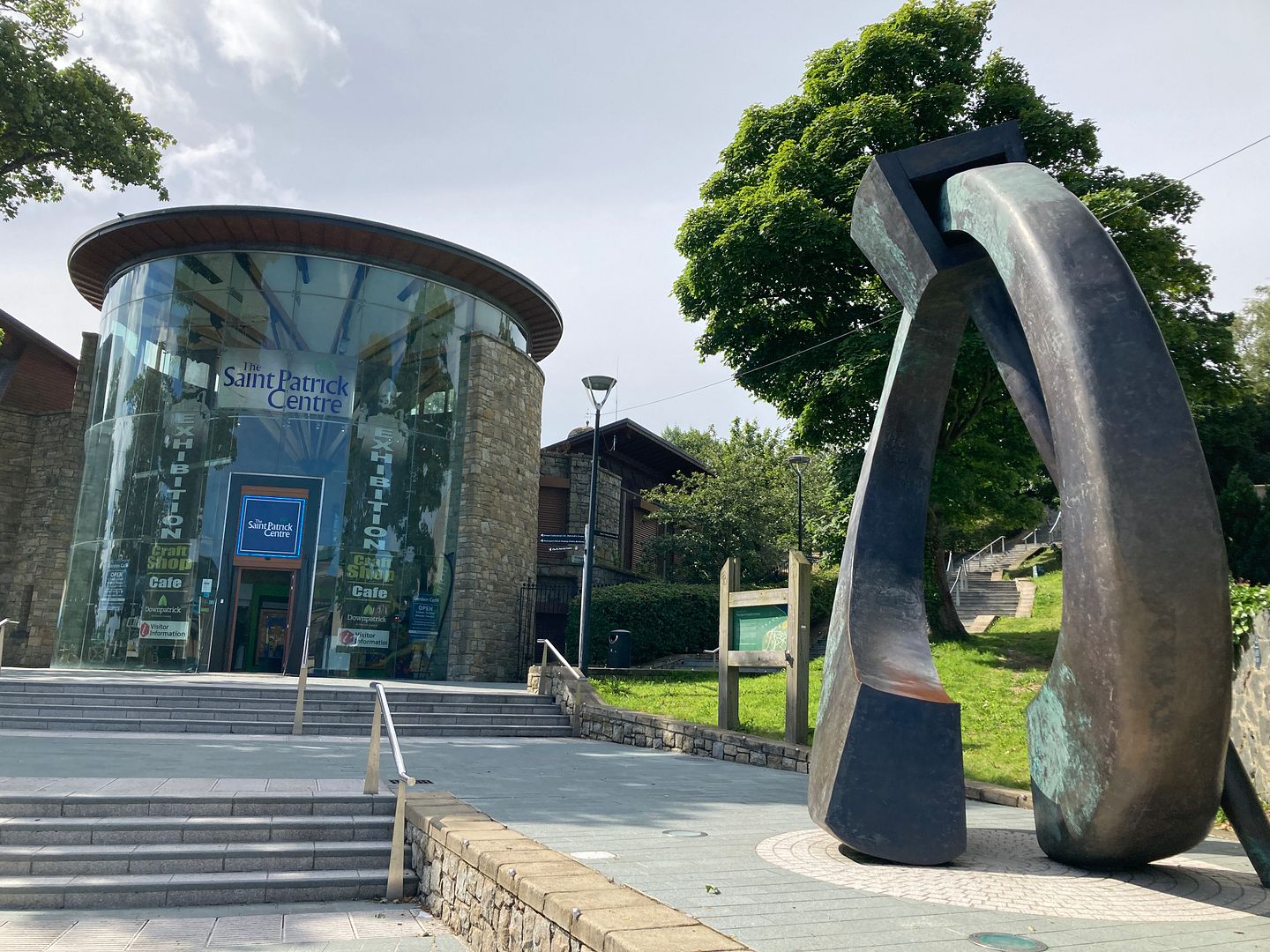
From Tyrella we had a short drive to Downpatrick, the final stop on St. Patrick’s Way. There is the Saint Patrick Centre, with the statue of a giant Celtic brooch outside. Inside was a big shop, a cafe, probably some meeting rooms of unknown purpose, and the exhibit they call “The Saint Patrick Exhibit Experience.” “Experience” here meaning “serious and expensive guided museum thing, probably with multimedia aspects.” We like Experiences.
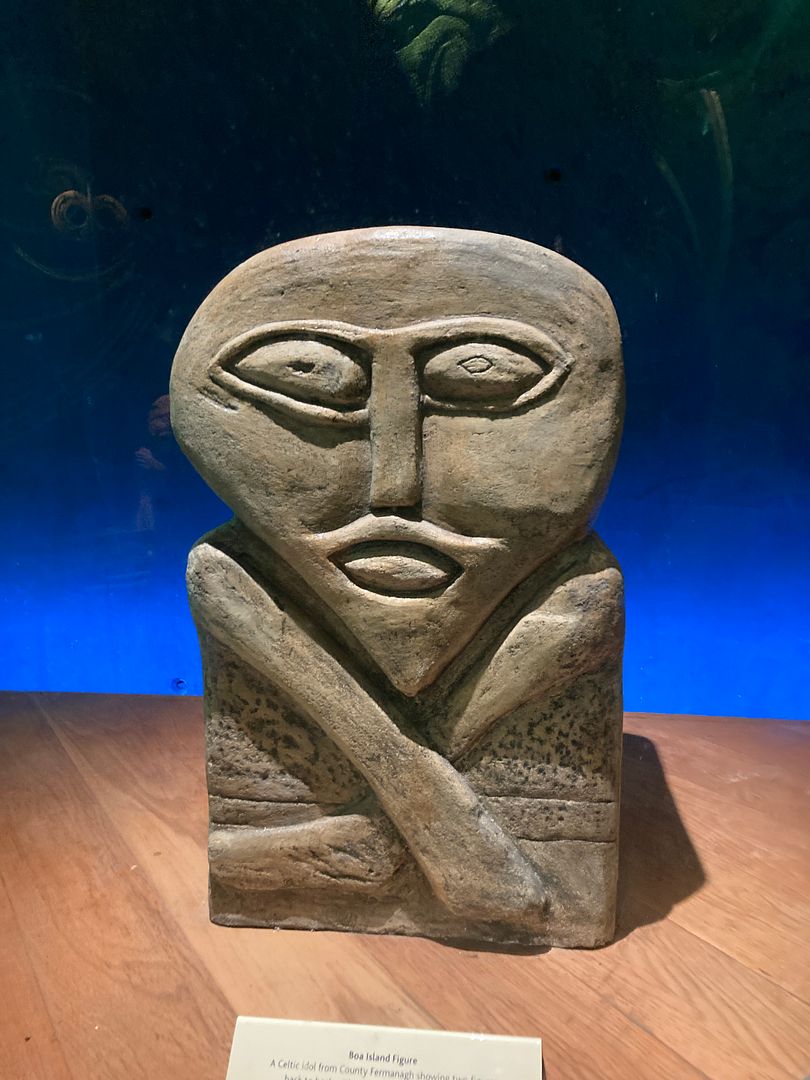
The Navan Centre and Fort which focused more on the pre-Christian history of Ireland. There was a little bit of that here, including this striking figure from Boa Island in the western bit of Northern Ireland.
The real focus of this exhibit, however, was to really dig into the life of Patrick himself. It started with an overview of what is known about his life from the two pieces of his writing that survive, with lots of multimedia experiences to help it stick. It then moved on to discuss a bit of the historiography of St. Patrick, how he Patrick was re-interpreted by later biographers, and his pupils who spread Celtic Christianity throughout Europe and beyond in a time that was pretty dark culturally and spiritually for some parts of Europe. It was interesting stuff.
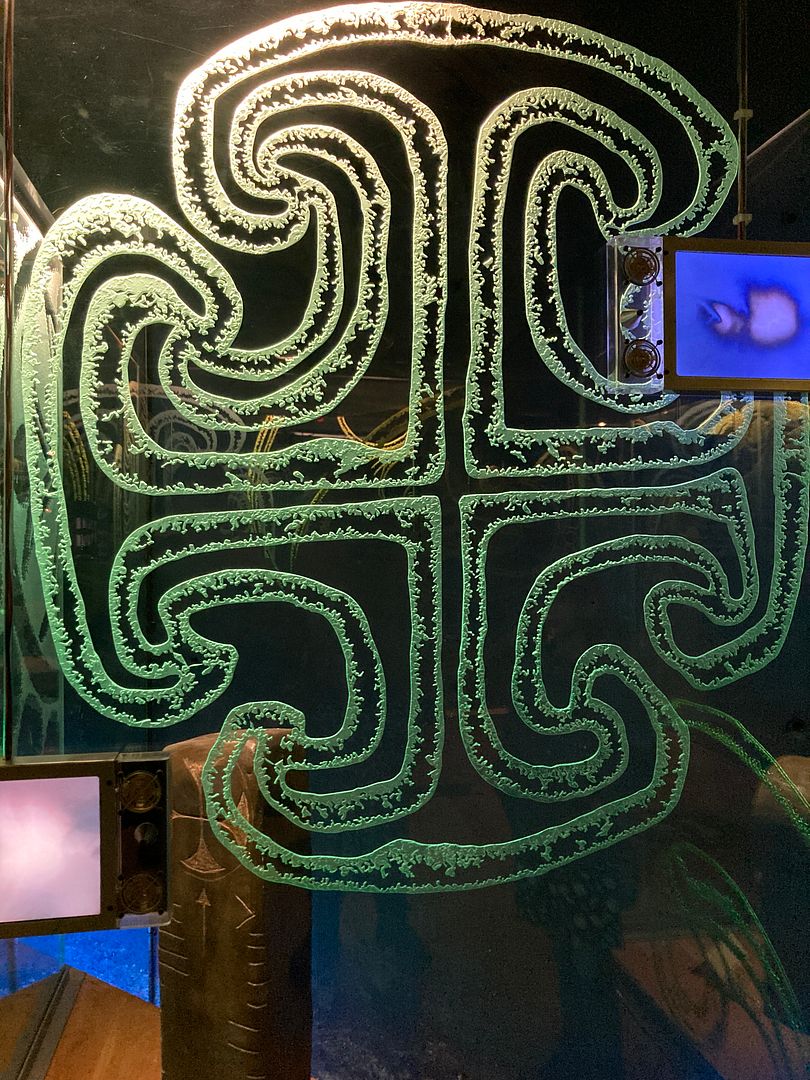
Back outside, through some trees, and up some stairs, and you get to Downpatrick Cathedral.
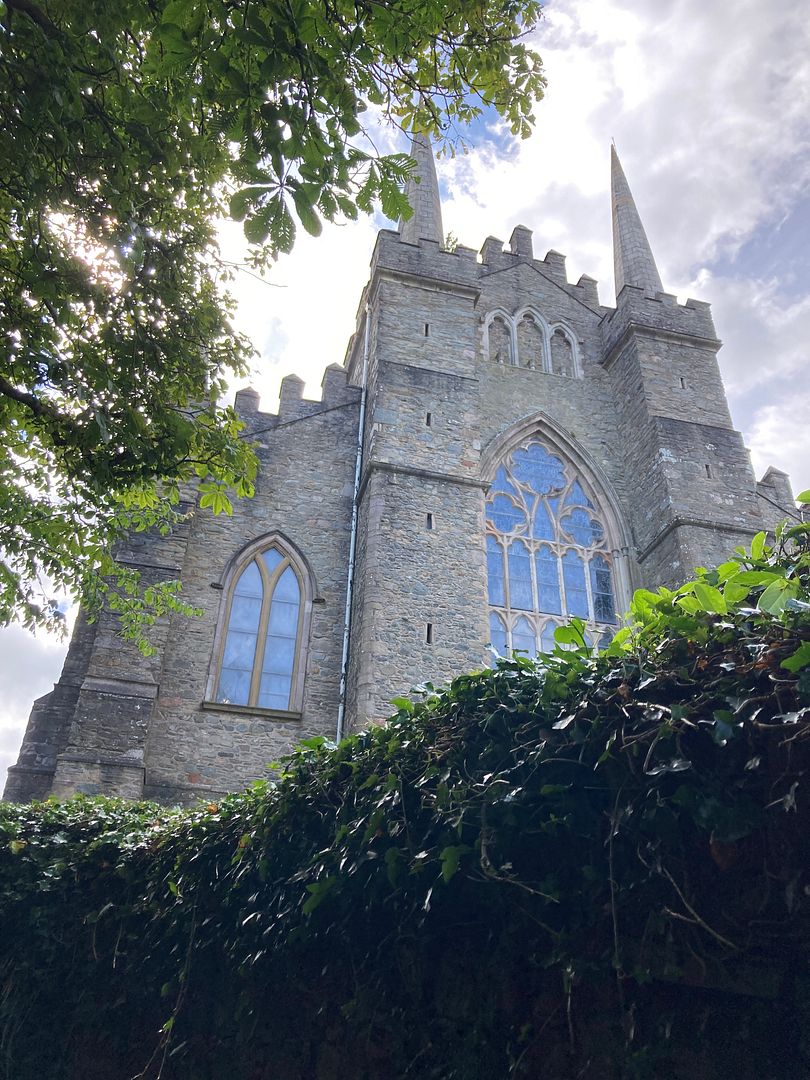
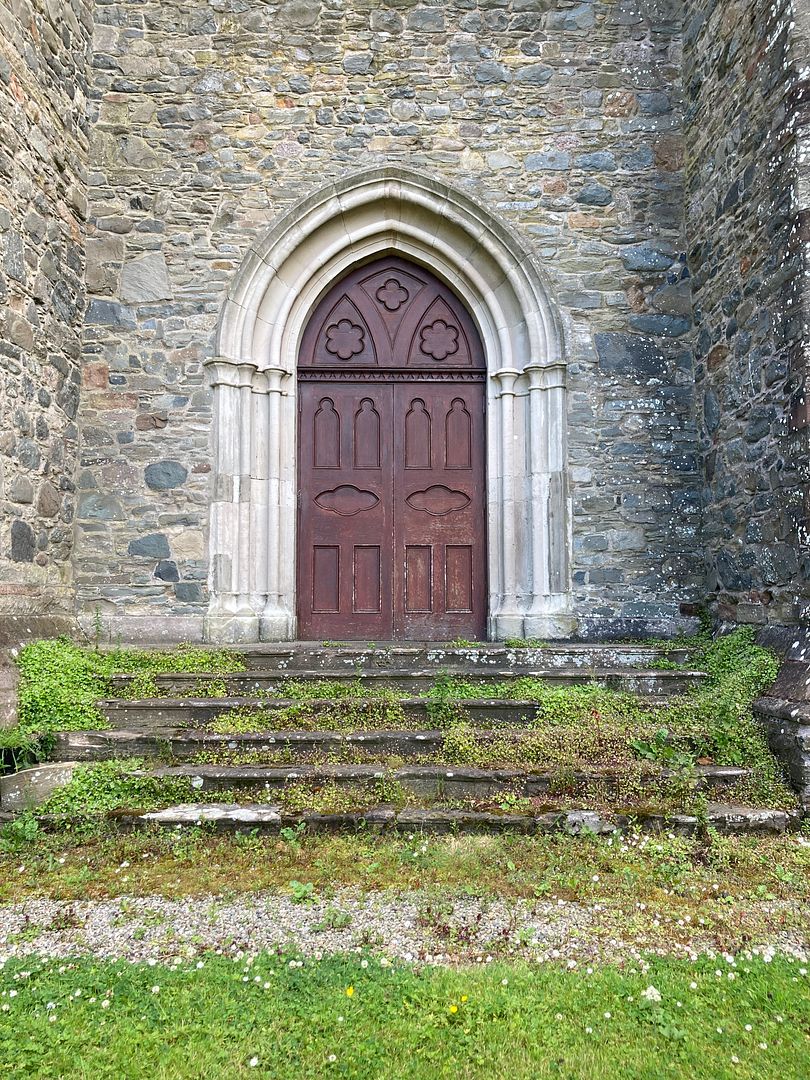
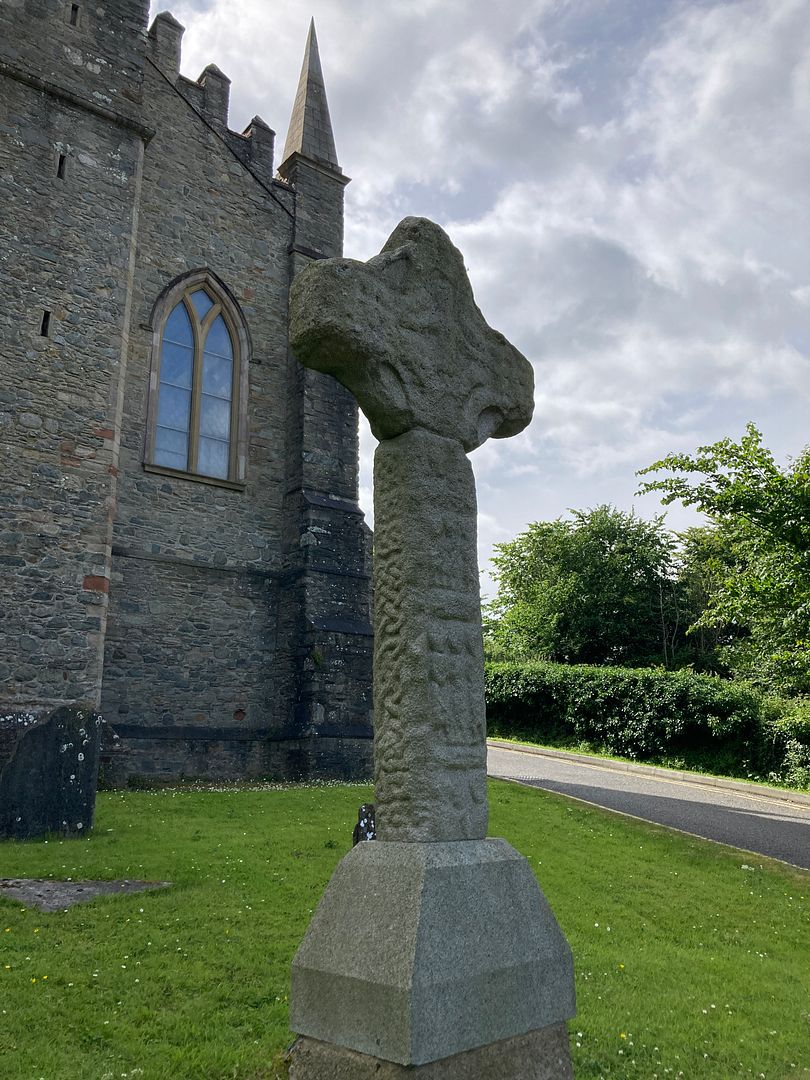
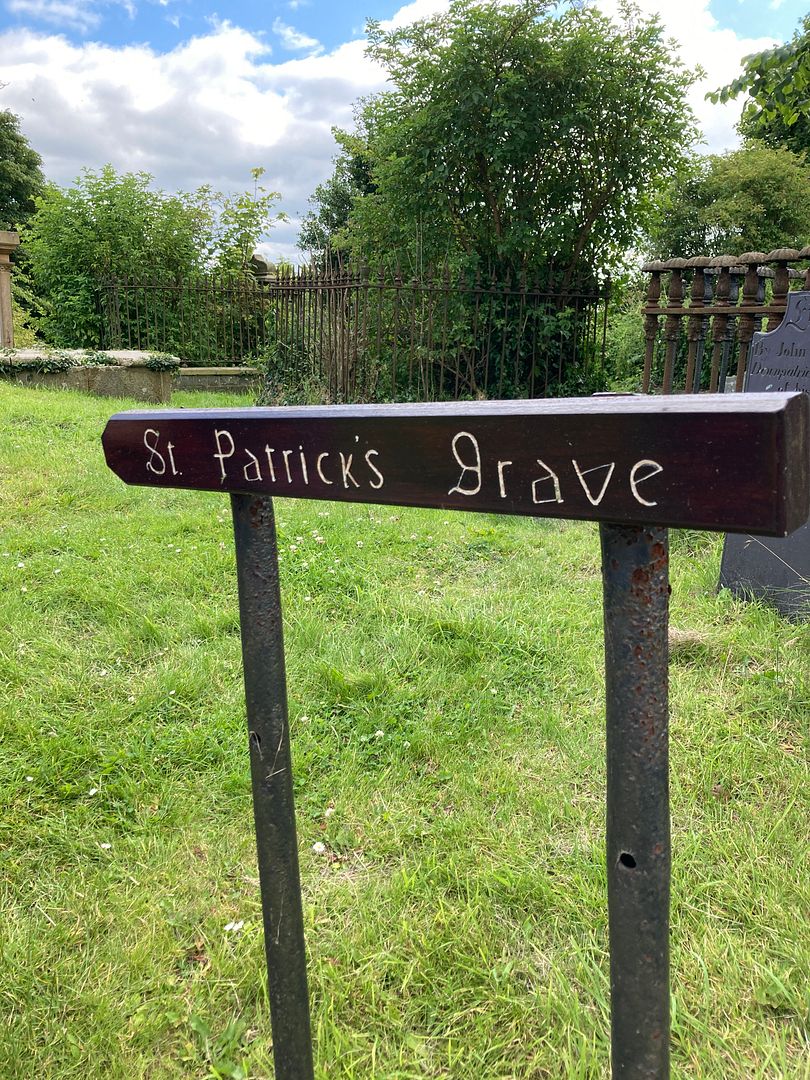
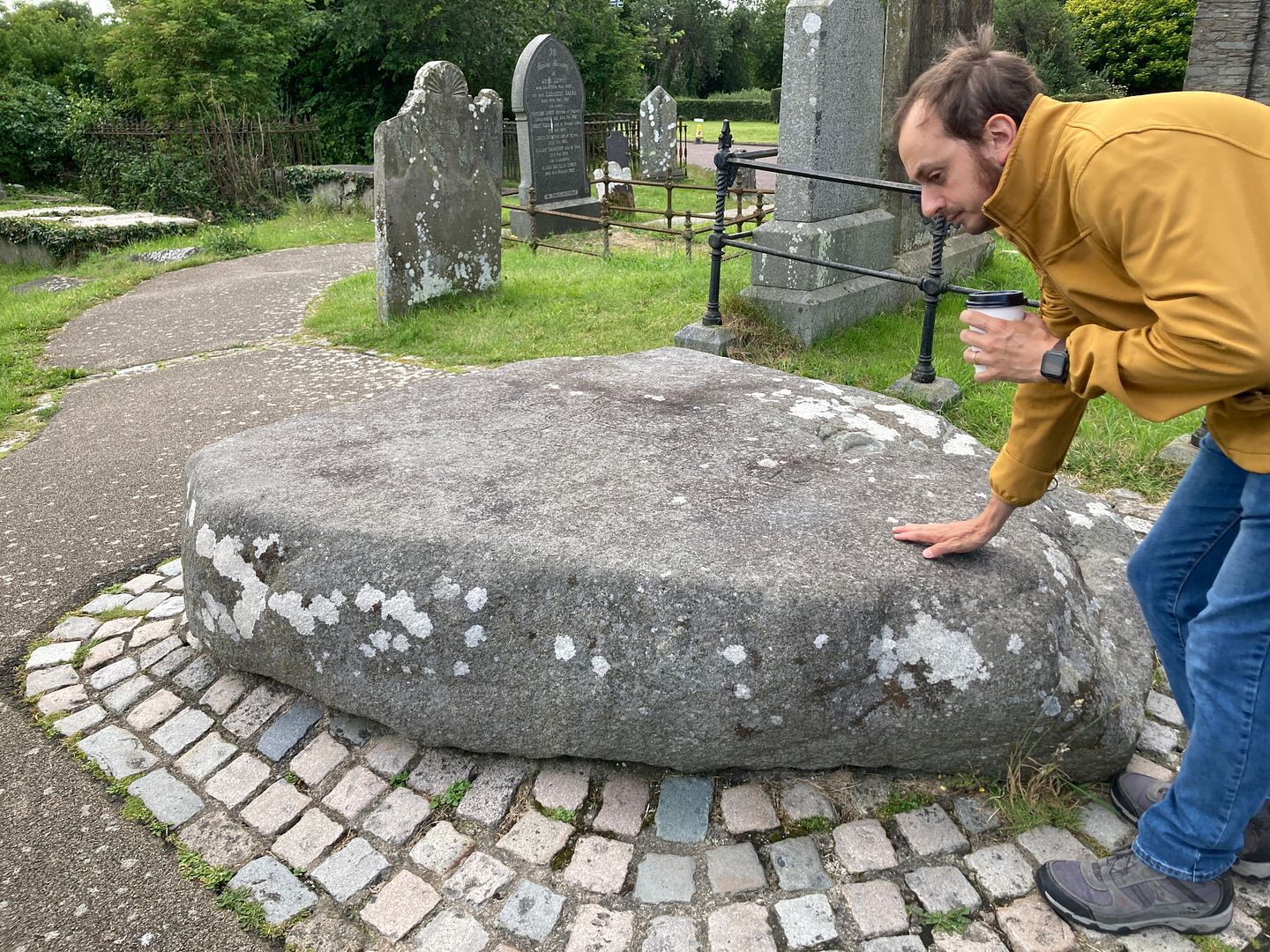
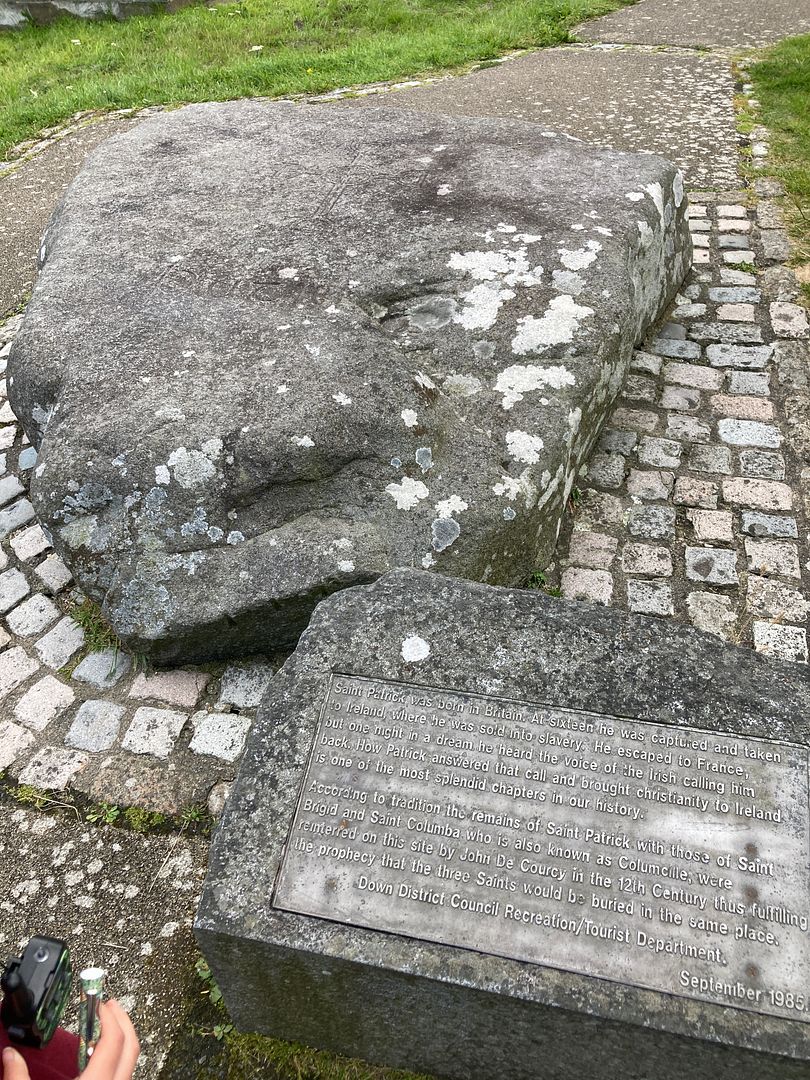
We were just too late to go inside, unfortunately, but the real thing to see here is St. Patrick’s grave. He is believed to be buried here, along with St. Bridget and St. Columbkille. (St. Bridget is someone I would like to learn a LOT more about.)
In Conclusion
There’s so much to say about Saint Patrick, not only about the man himself and what is known about him, but about what he has meant to generations of Christians inside and outside of Ireland. I think both Jared and I left this week with a deeper sense of who he was, and a sense of connection to everything that happened in his time and sense. While he and his disciples are so important to Ireland and Irish history, there is a sense that their work was one that never stayed still, was never owned by one heritage. Patrick came from elsewhere, and his disciples went elsewhere, and continue to go elsewhere. Anyone (and I do mean anyone) who is a part of the family of God through Christ gets to be part of this heritage. Ireland is an amazing gateway place, in that sense and in many others. Irish people, culture, and influence have had an enormous impact in the world in proportion to the size of the place. As demonstrated by the end of the Experience, which showed St. Patrick’s Day parades around the world, because of St. Patrick… everyone does get to be a little bit Irish. And in Jesus, you can find the fullness of what that belonging means.
 Osborn Fiber Studio
Rebecca, we’re planning to go to Scotland next summer as a family, maybe Ireland too(?), and I’d love to know how you guys planned your trip…trip planning is not my forte, but we’re hoping to plan it around my dad’s birthday and our Clan’s gathering….and I love that you all tied in elements of the walking tours, which I’d like to do as well…feel free to email michelle (dot) cohoon (@) gmail. 🙂
>
LikeLike