For our last week in Ireland, at the end of July, this was the time that we looked at each other and said, what are the few things that we most want to do with the time we have left? A few things rose to the top of the list, and here they are.
Cave Hill Hike
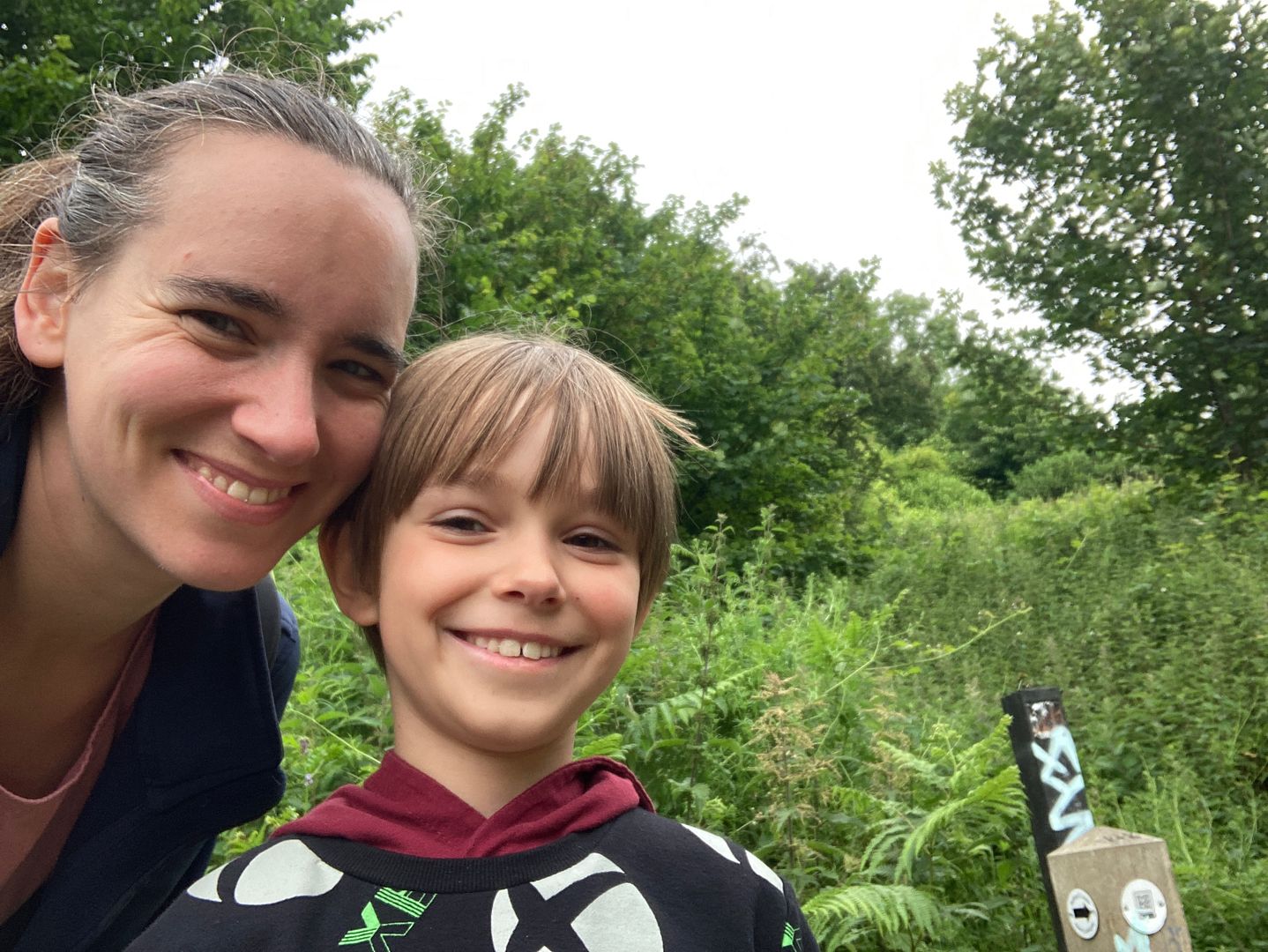
MiniMighty and I both love to plan. We both love to look at lists of things and imagine doing all of them. When I bought a book of “unmissable hikes” in Northern Ireland, I knew she was the one who was going to obsess over it like me, even though my kids historically dislike hiking. We got a few hikes from the book in here and there, but MM and I decided we wanted to do one together, just us. She picked the Cave Hill hike.
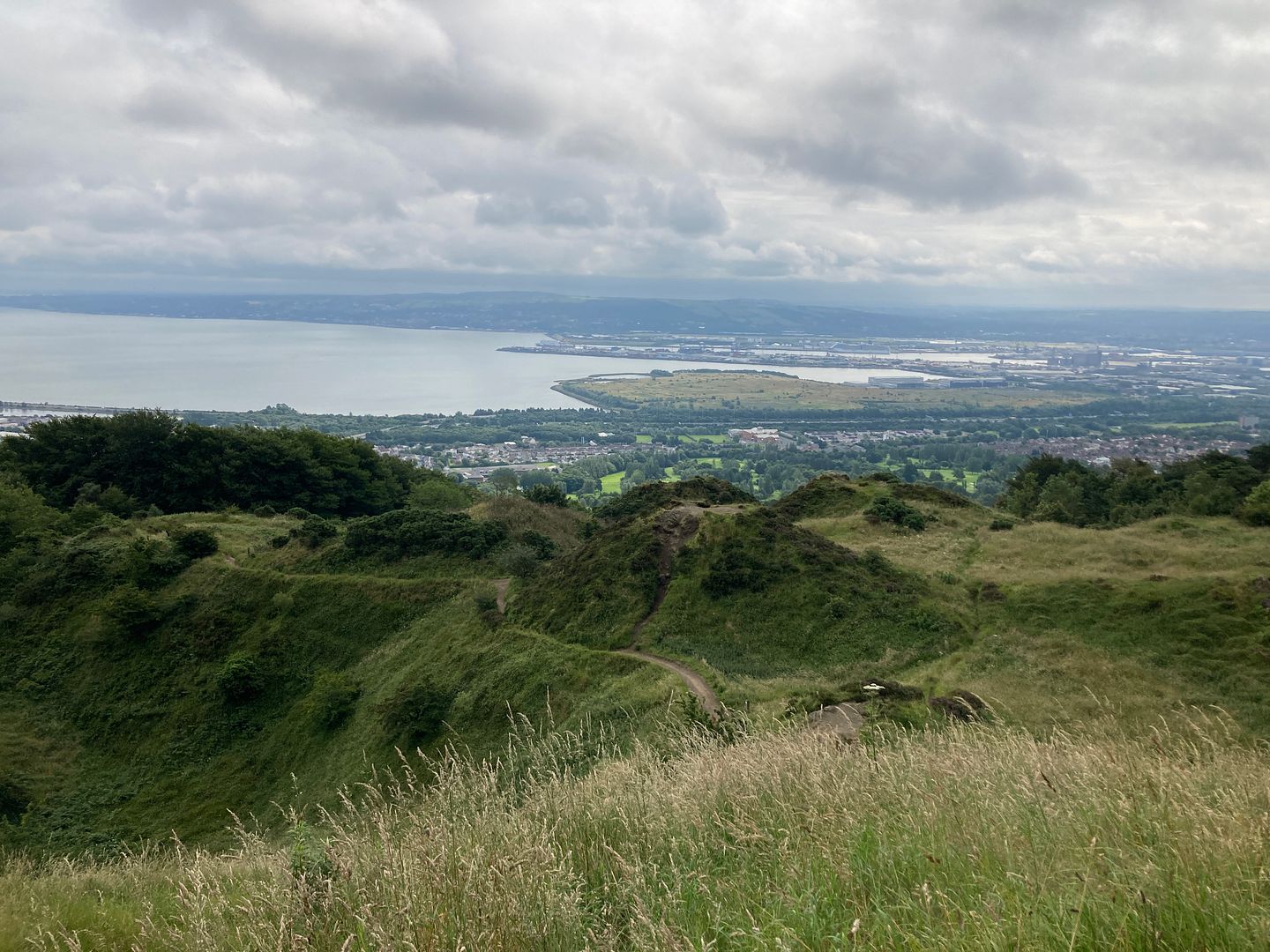
Parking at Belfast castle and taking to the trail, almost immediately we started getting beautiful views of Belfast. But it also wasn’t long before we started seeing the eponymous hill with the eponymous cave.
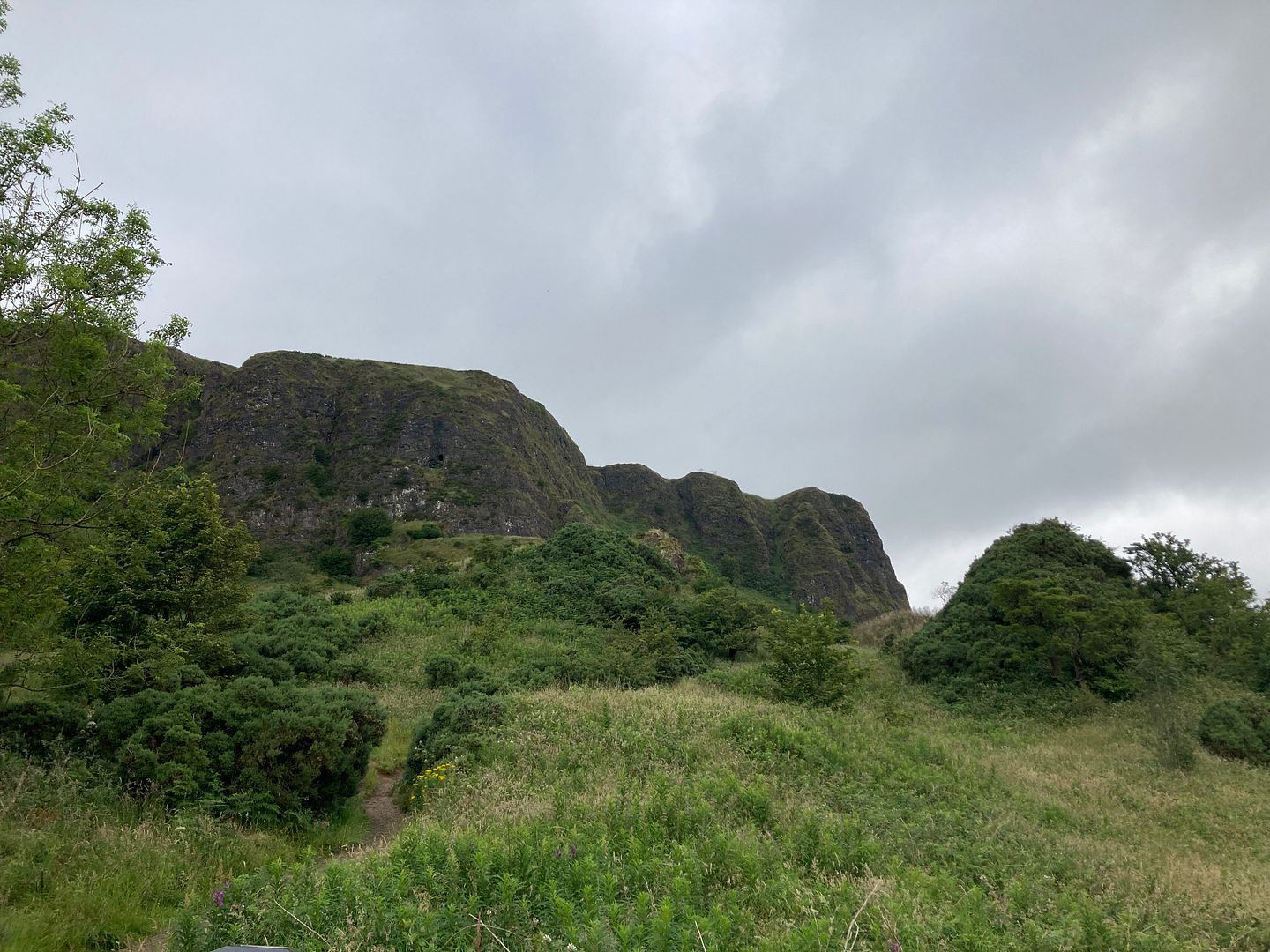
These craggy cliffs are basalt, like at the Giant’s Causeway, but formed differently.
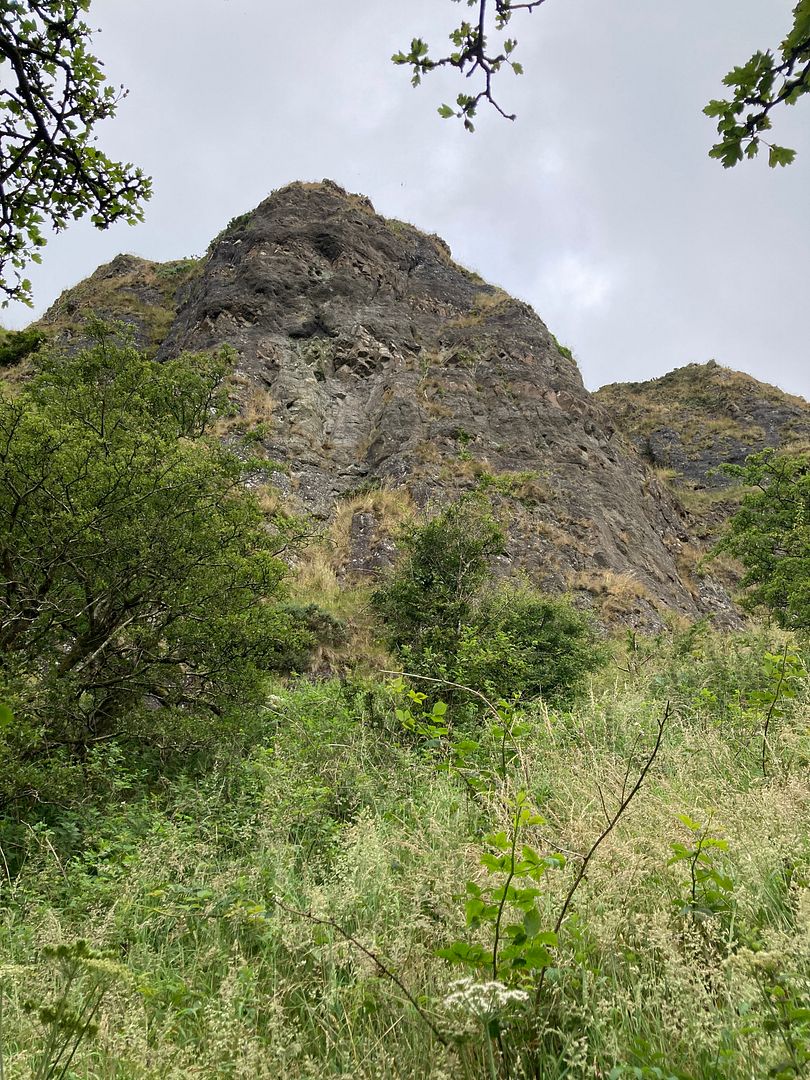
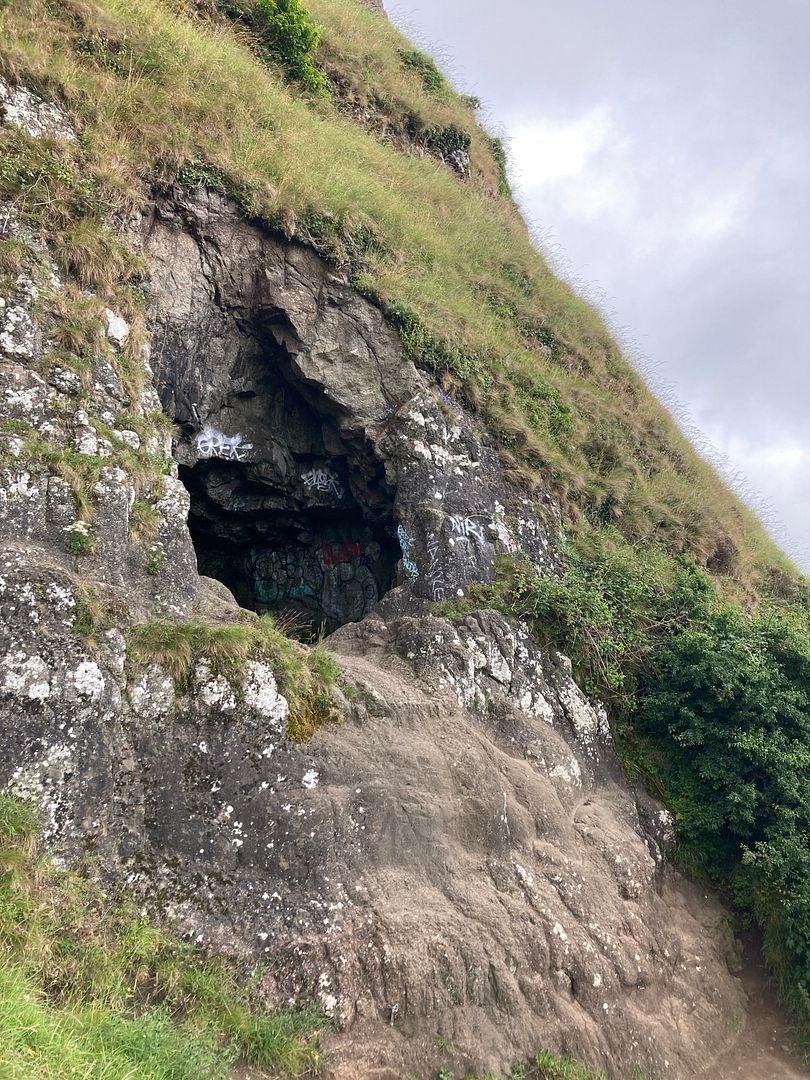
The trail leads right up to the bottom of the cave mouth. It’s certainly possible to climb into it, but the rocks below are smooth from much climbing, and were happy enough to not and say we did, enjoying the cave from the outside.
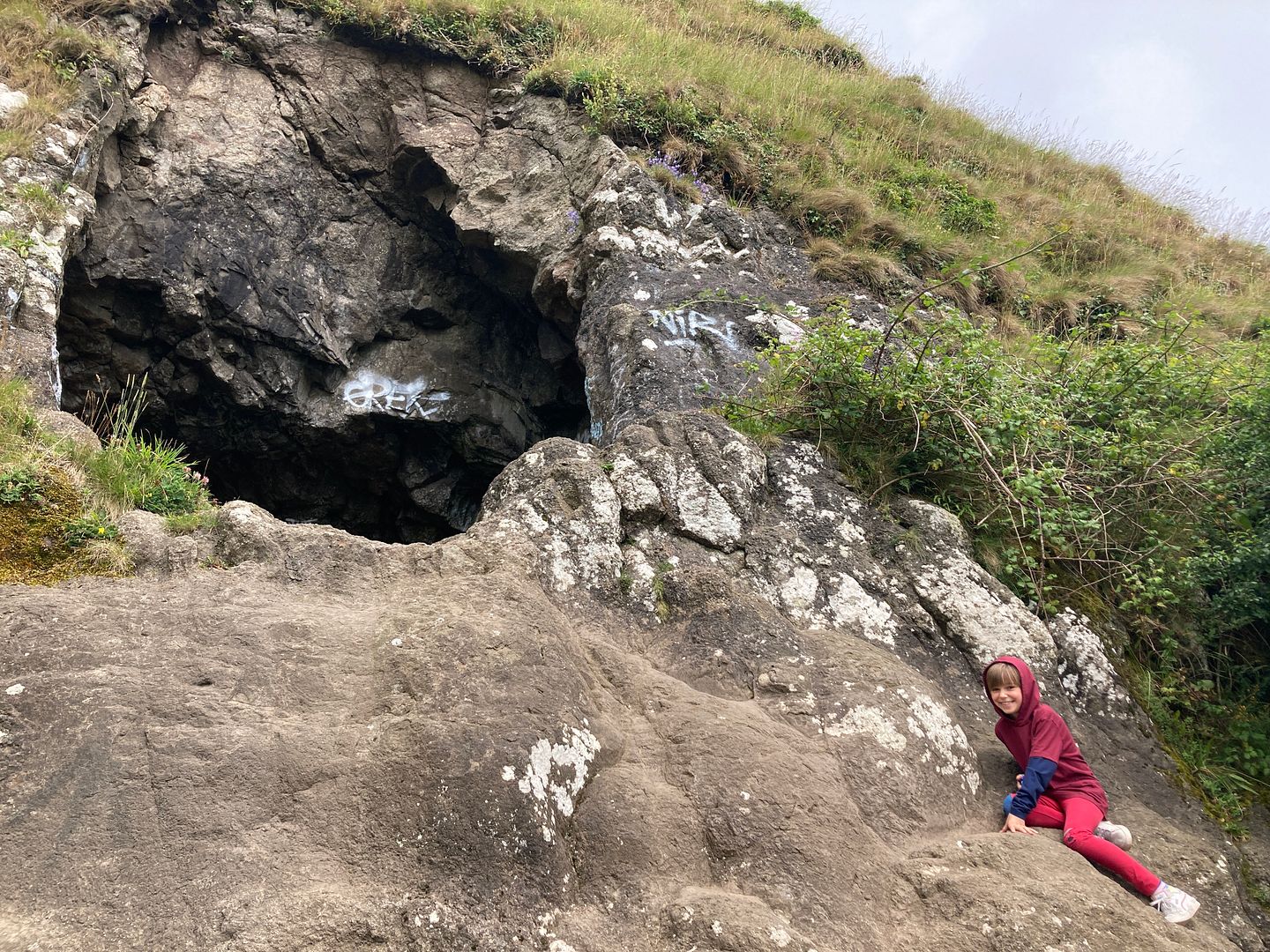
This trip I’ve seen sandstone composite caves, limestone caves, and now basalt caves. Formed by the excess of water in all these different kinds of stone, all showing signs of human habitation from the prehistoric to the present, I got a sense of how important such formations would have been to the prehistoric peoples of these islands.
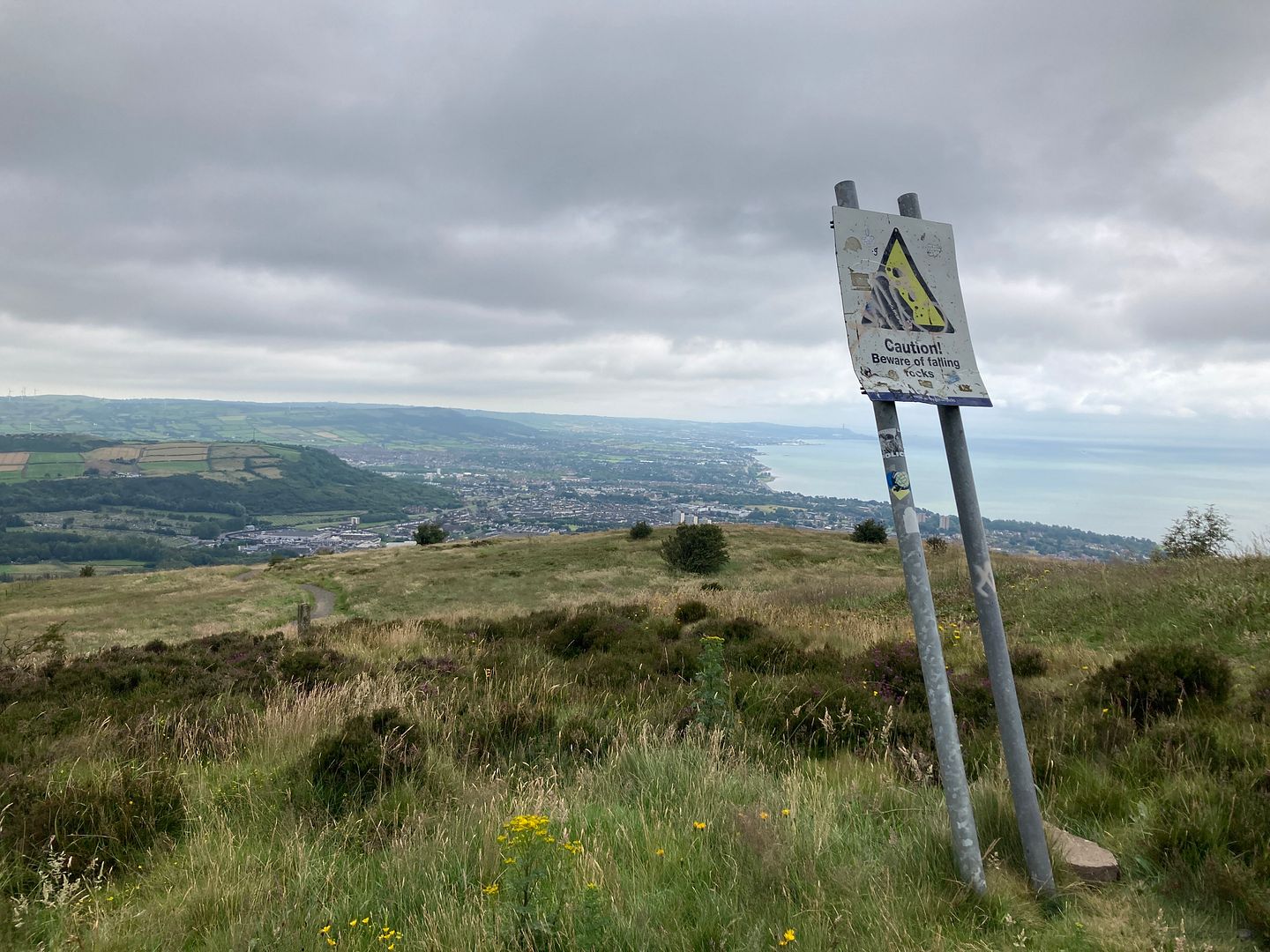
Past the cave, then circling back up hill, we climbed to the long hill at the top of these formations. The views of Belfast Lough were complete.
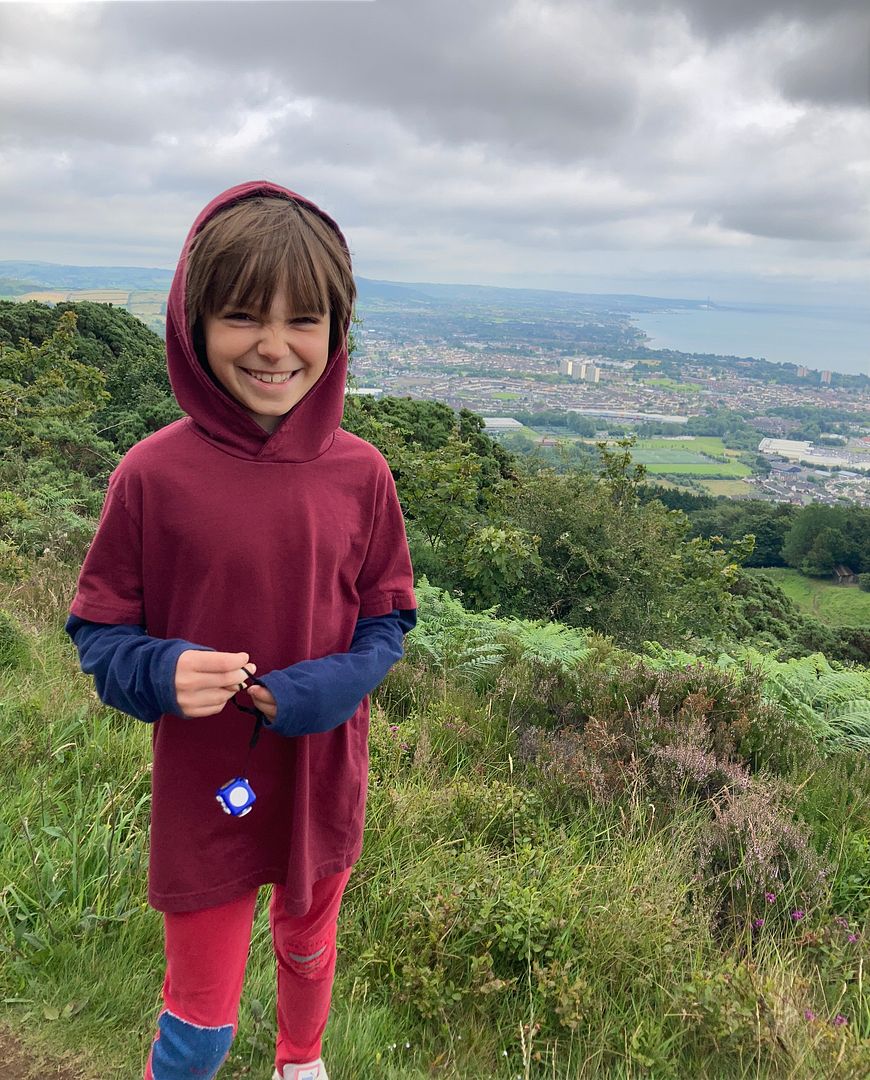
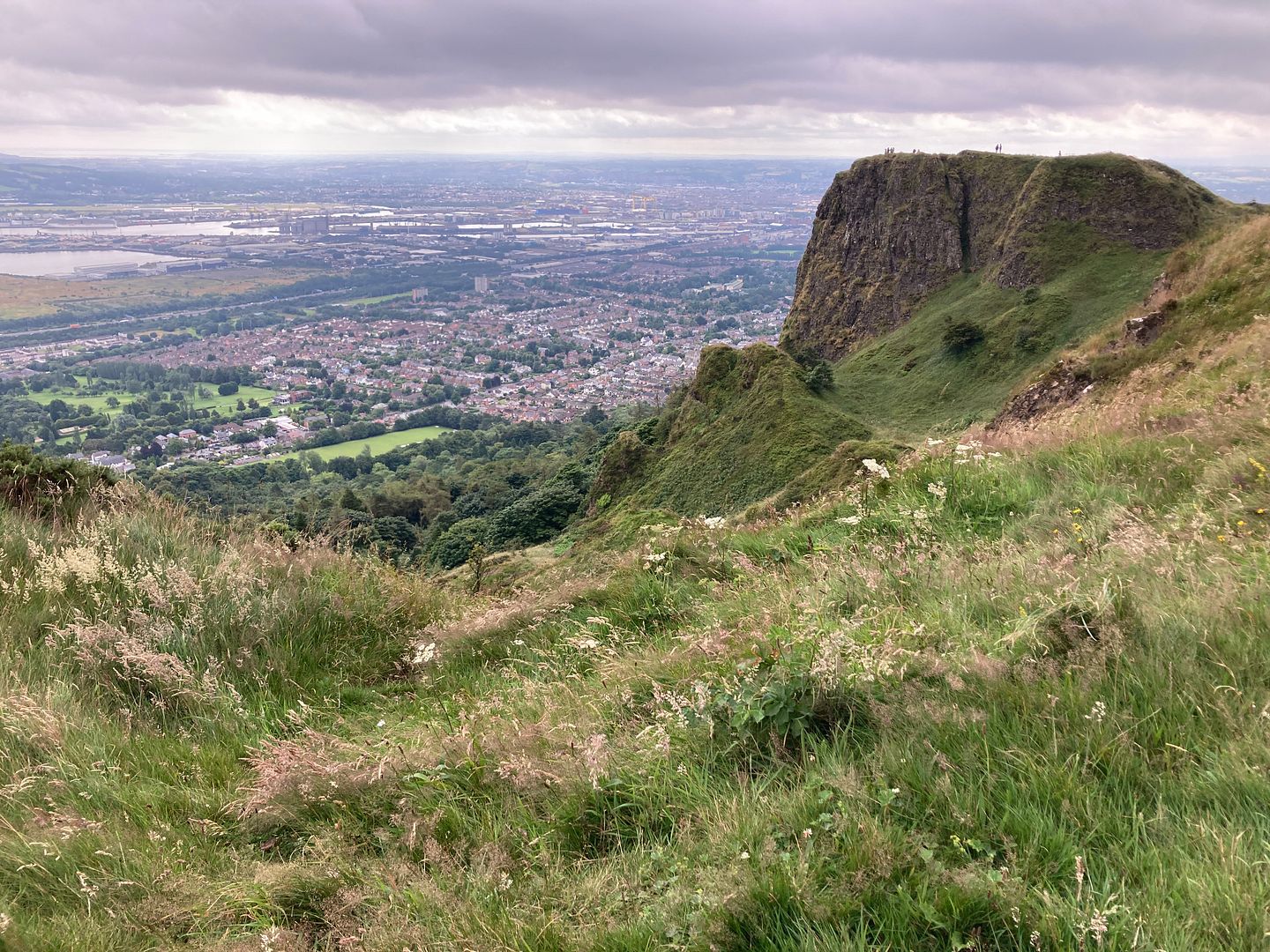
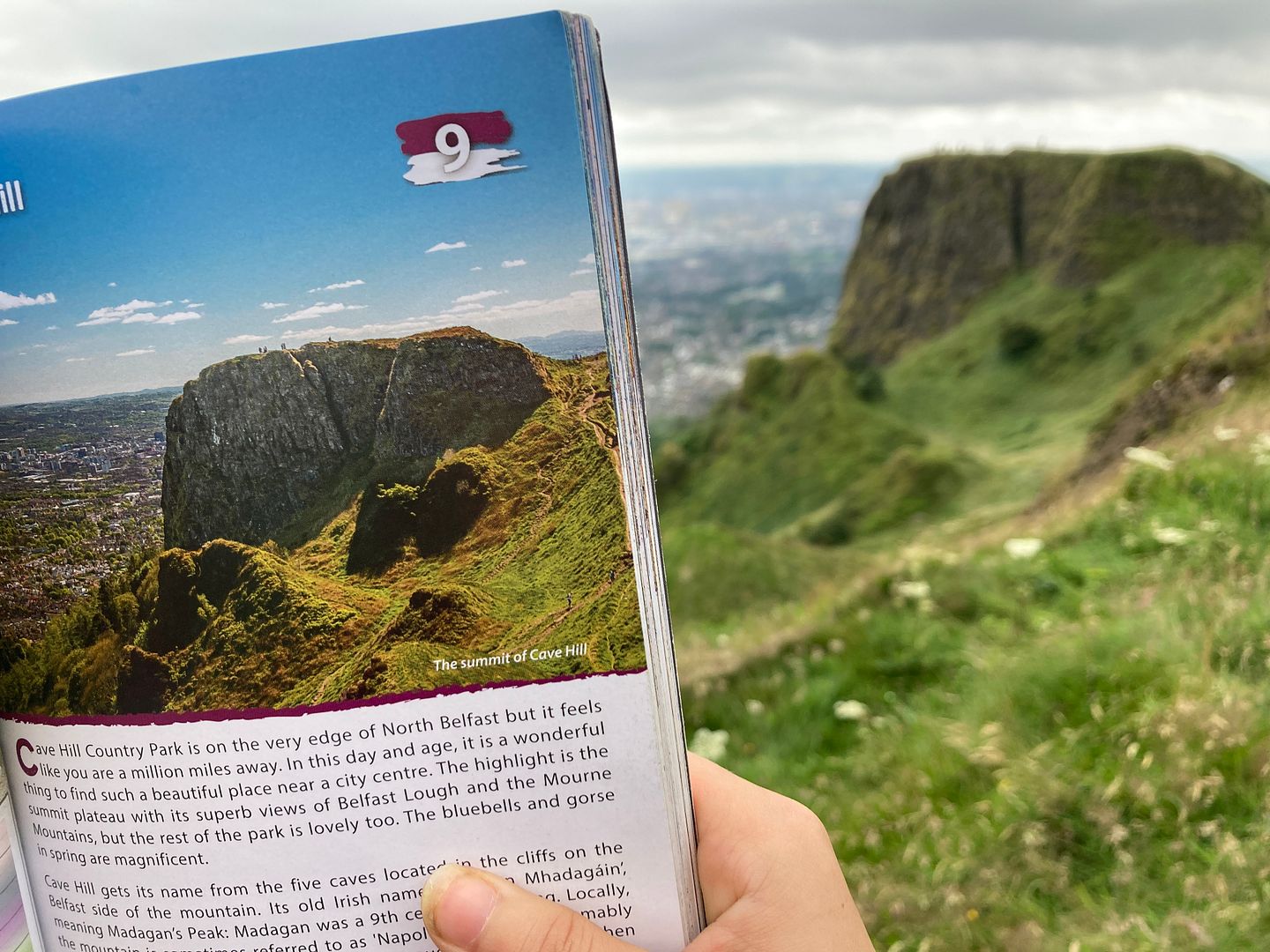
This rock formation is called “Fort McArt” on all the sign posts, but is known more locally as “Napoleon’s Nose,” for obvious reasons. MiniMighty was rather pleased that we’d found the exact view depicted in the guidebook.
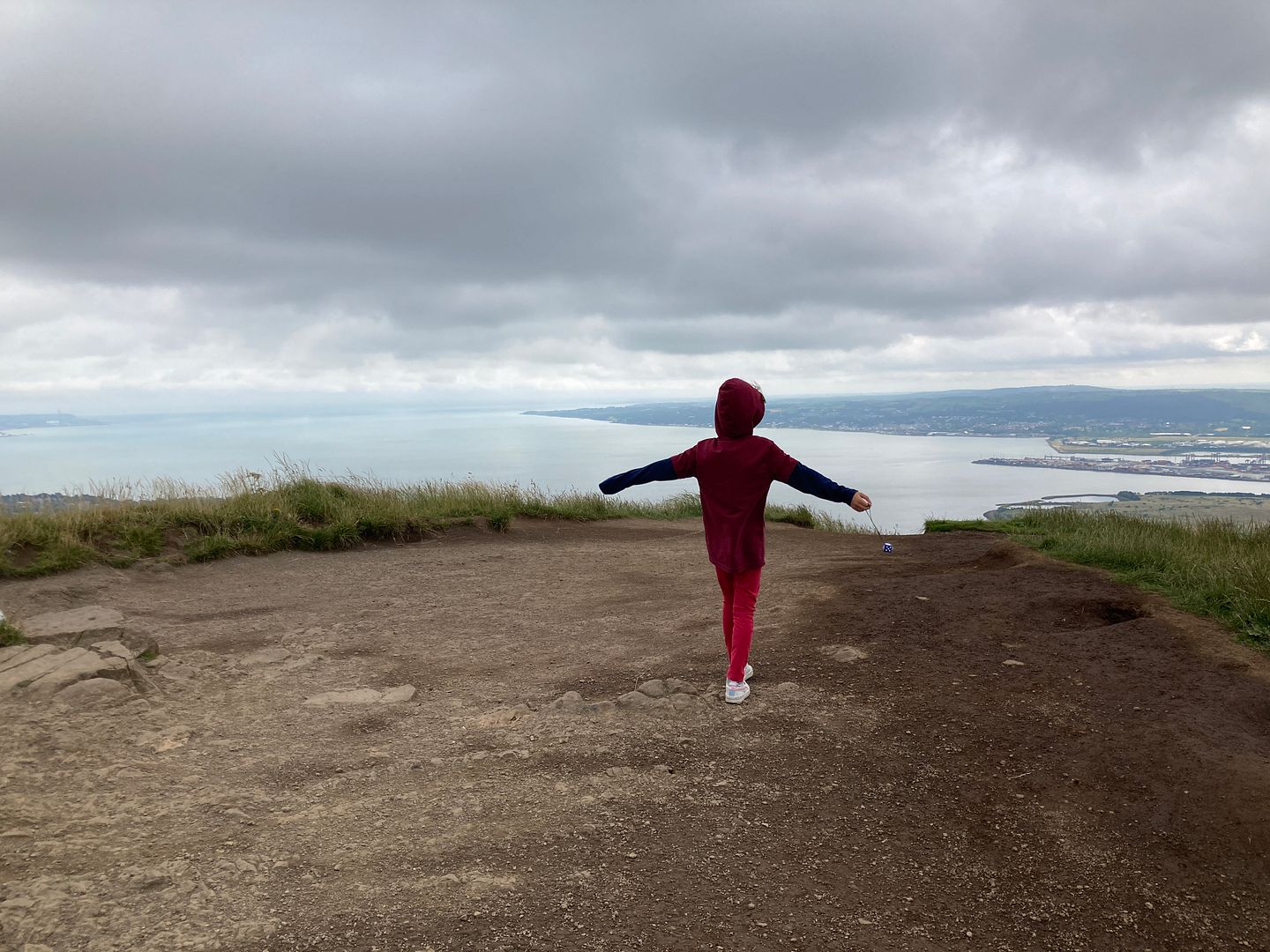
Off the path and through a style, we climbed to the top of the nose.
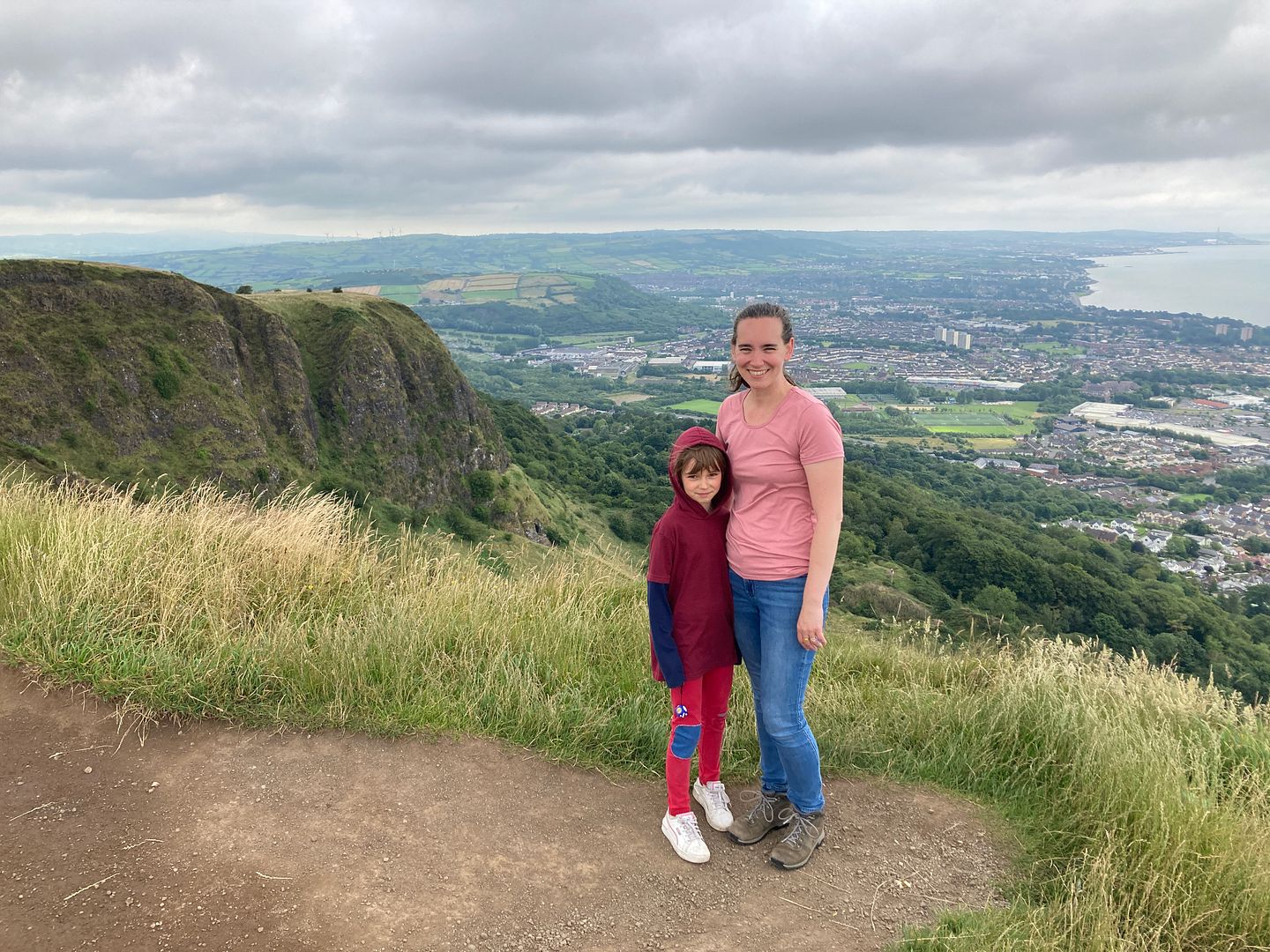
And after climbing back down, we settled in the meadow for our mid-hike snack. Through the grass here you can see Divis and Black Mountain
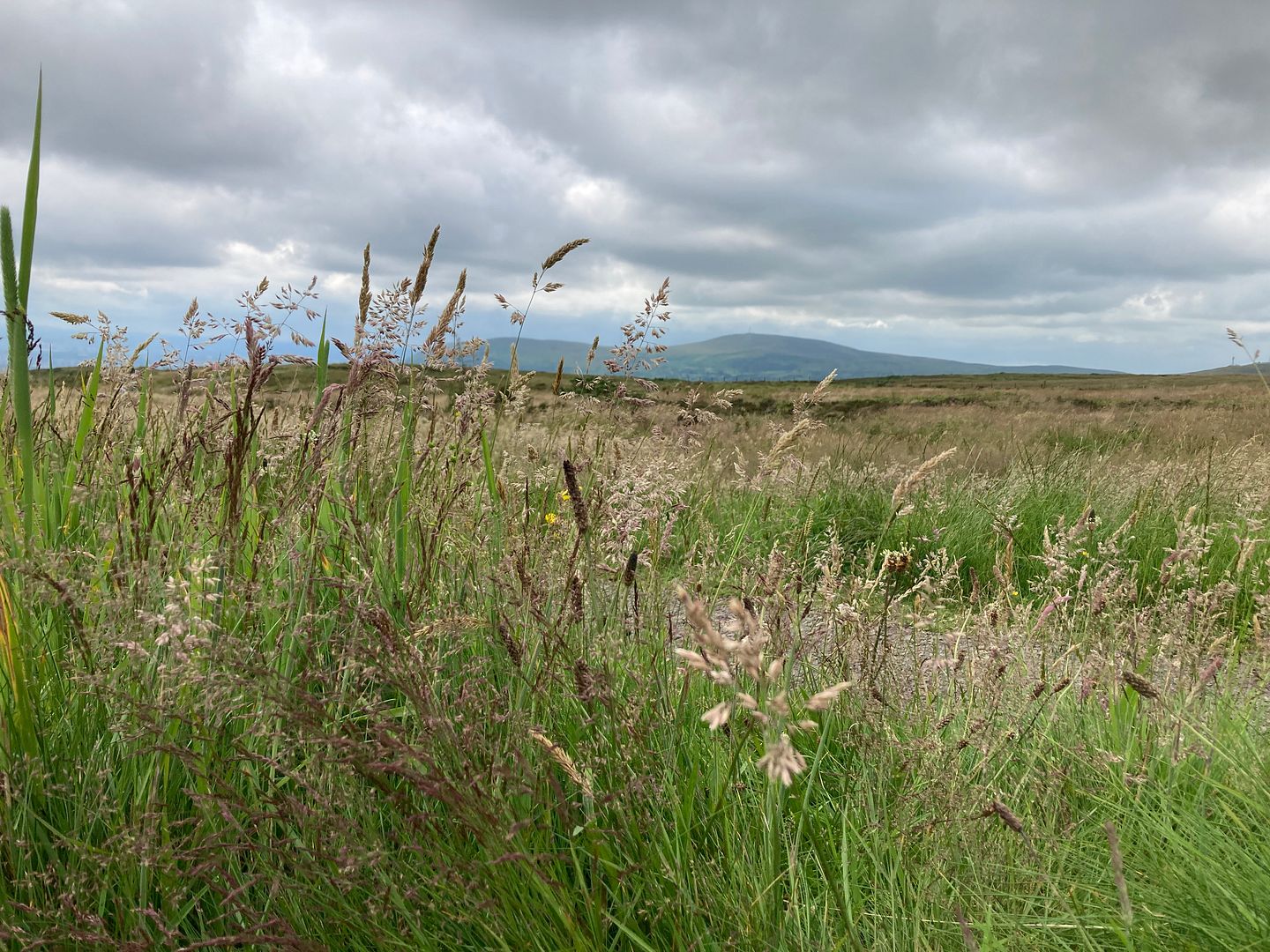
We took a shorter path back down to complete our circuit, through pastures separated by hedges that we passed under by arch.
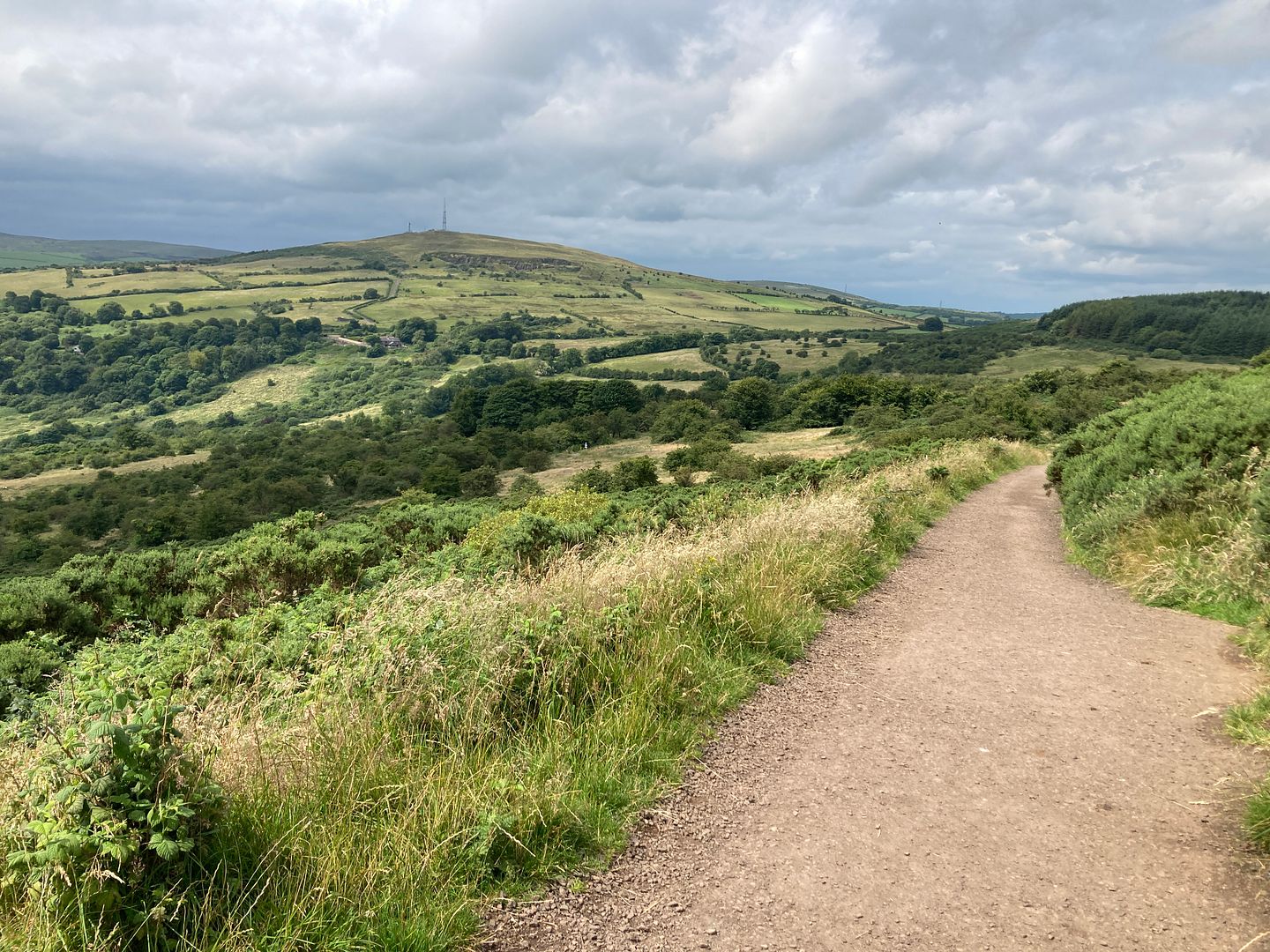
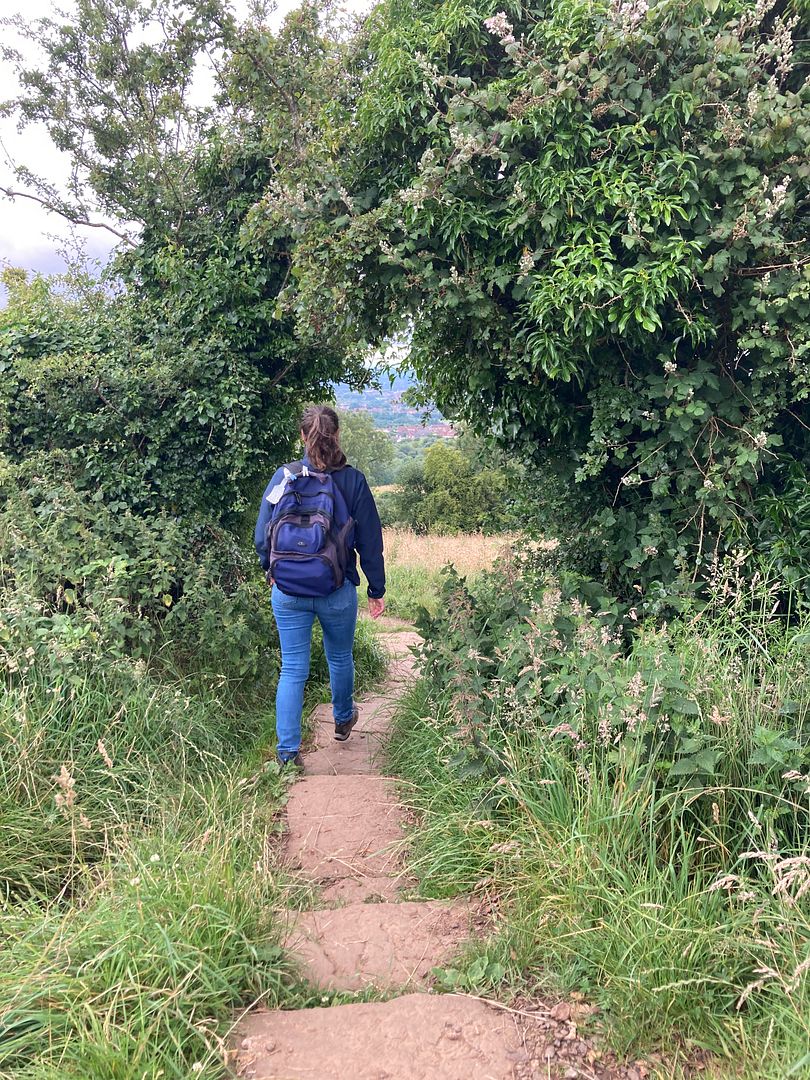
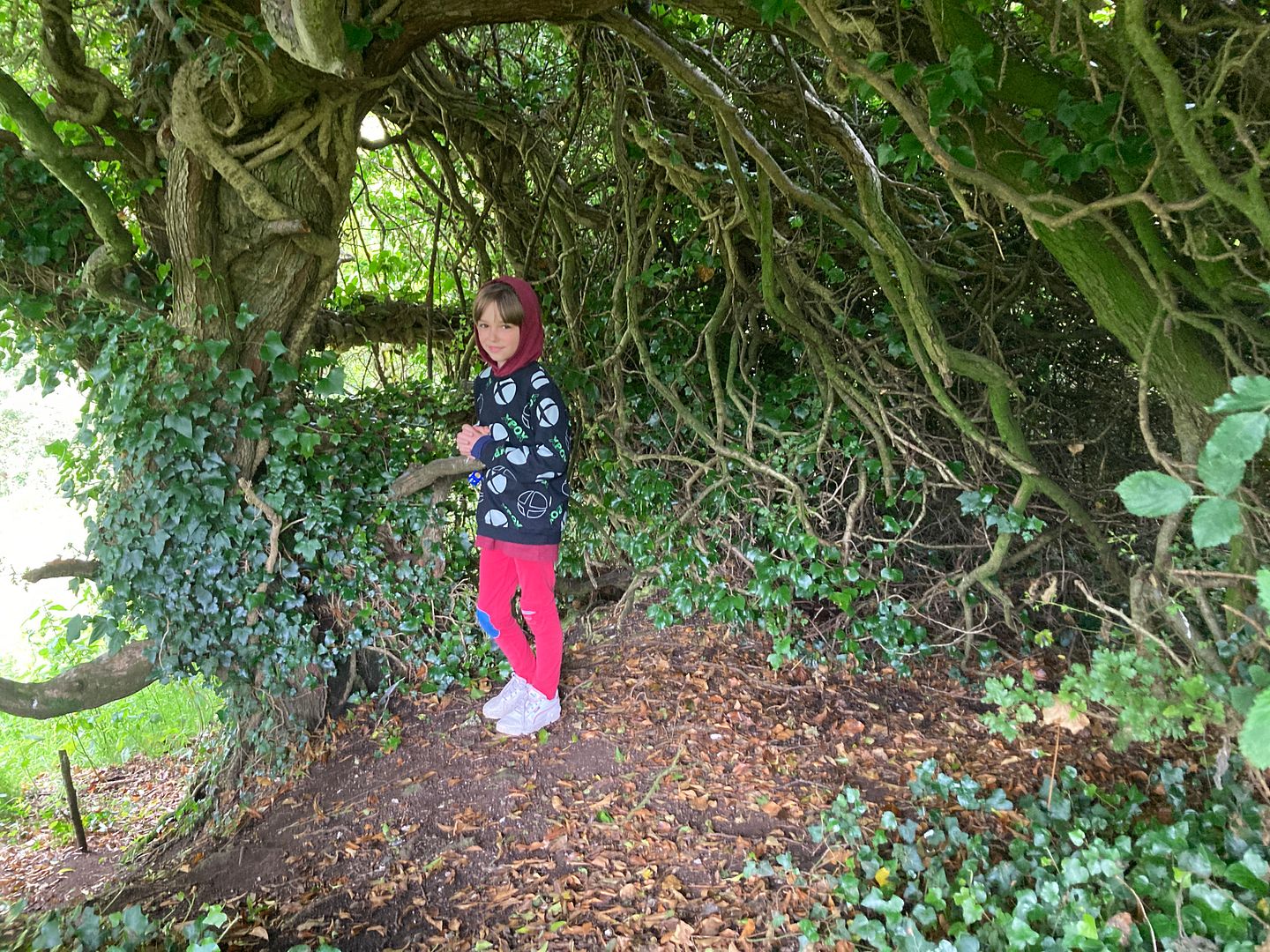
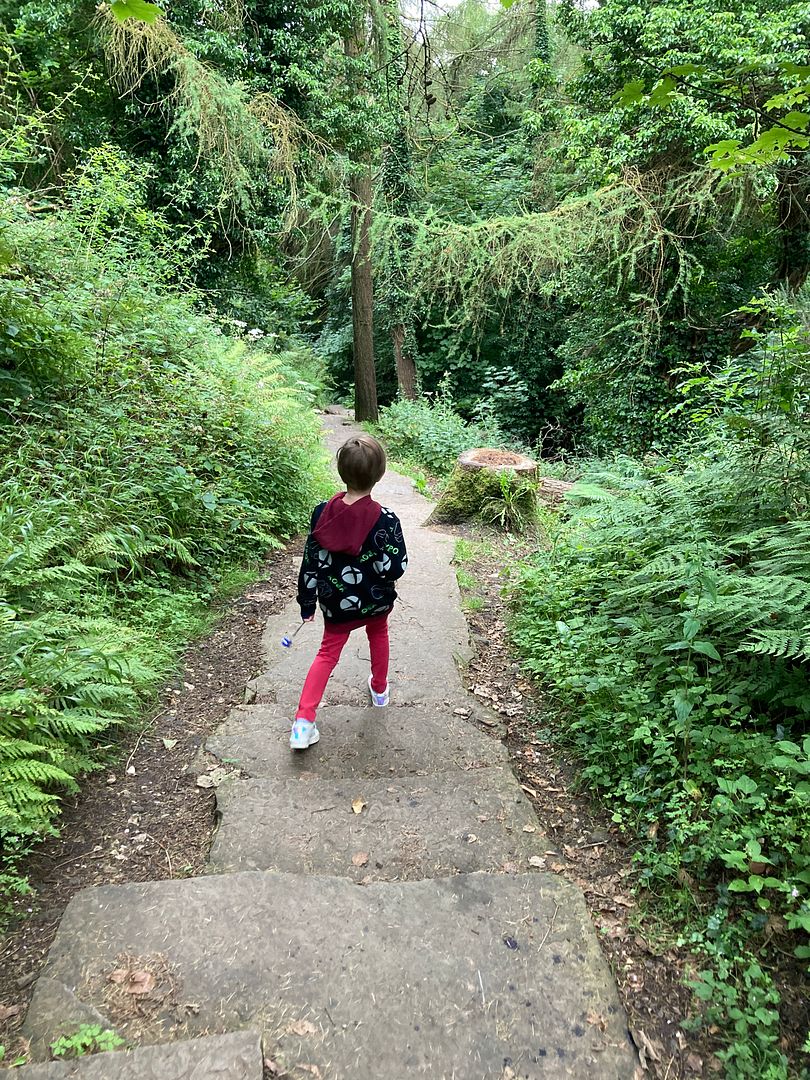
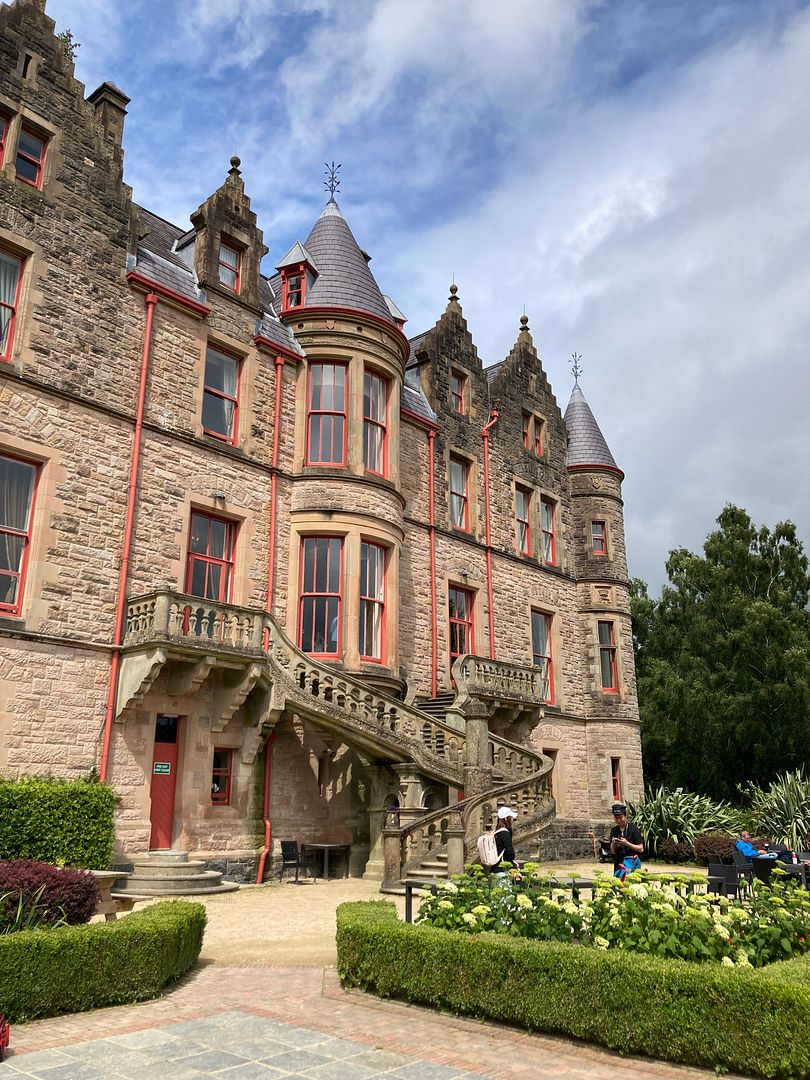
Back into the woods and down some slabby steps, we came back to our stopping point. We poked around the little cat-themed garden at Belfast Castle for a few minutes, but were soon off to hunt down a post-hike ice cream.
Ulster Museum
We were back into Belfast the next day, all of us this time, to the Ulster Museum.
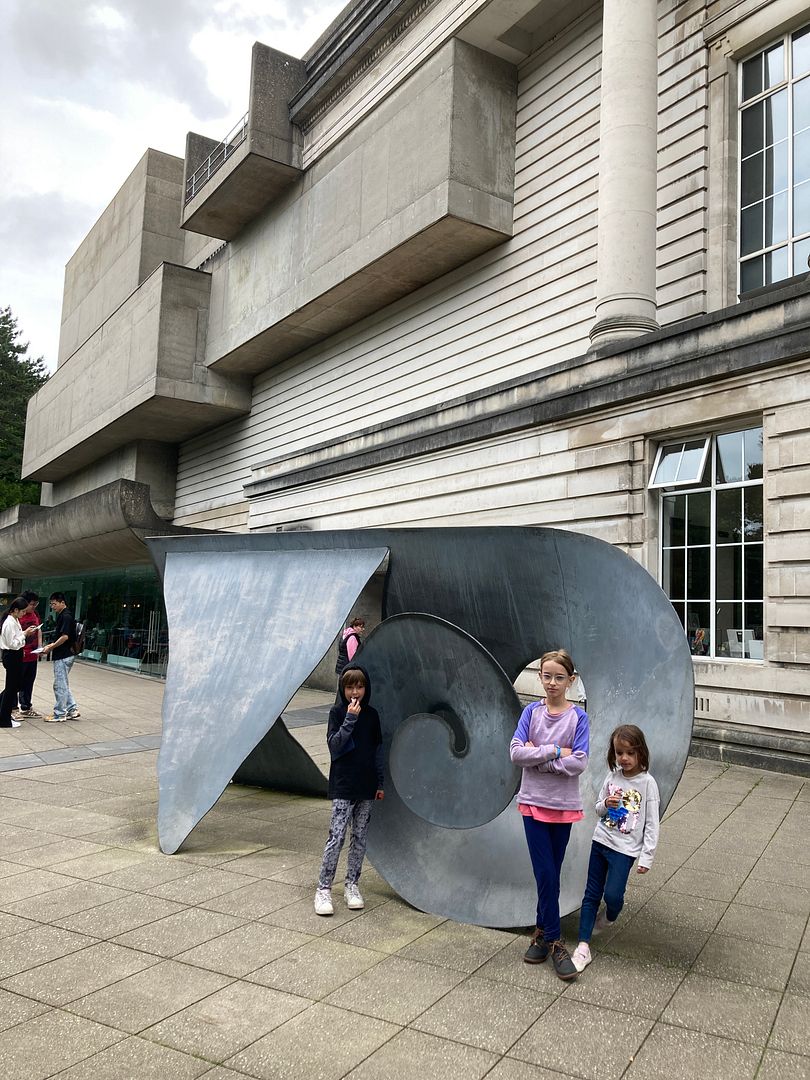
The phrase that comes to mind to describe the Ulster Museum is that it’s like the entire Smithsonian complex in one building. Like the Smithsonian, it’s free, but it’s got an incredibly diverse set of collections.
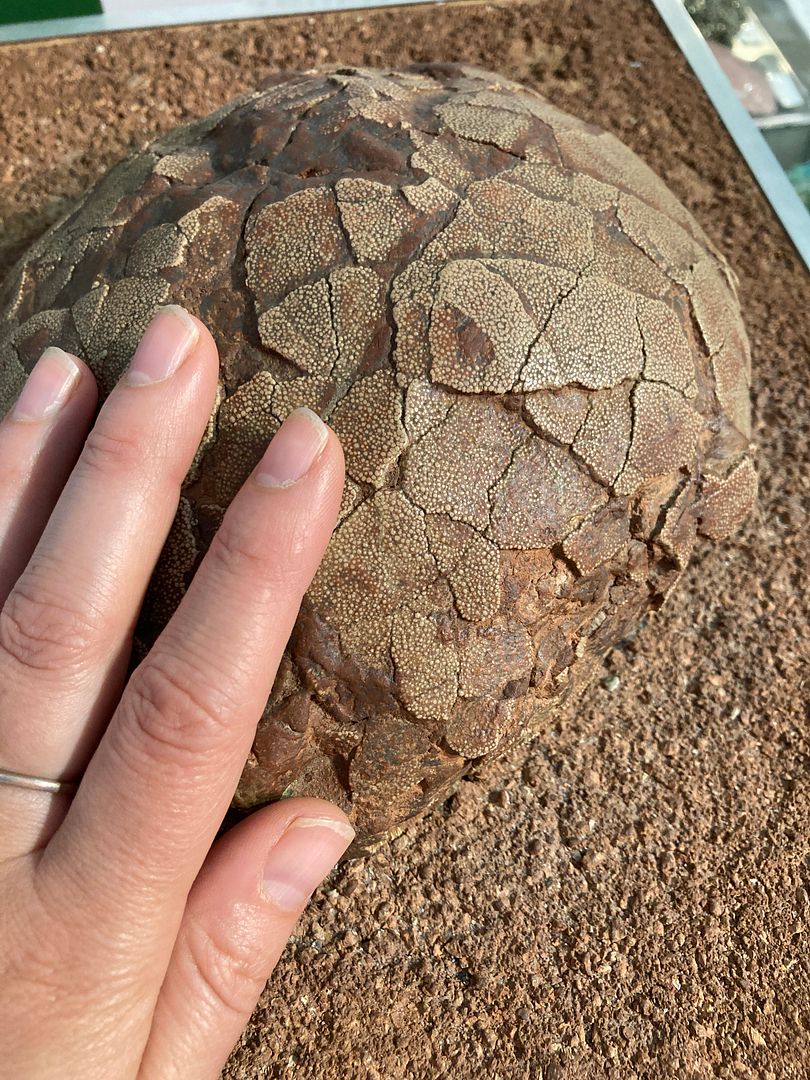
From the most ancient prehistoric exhibits…
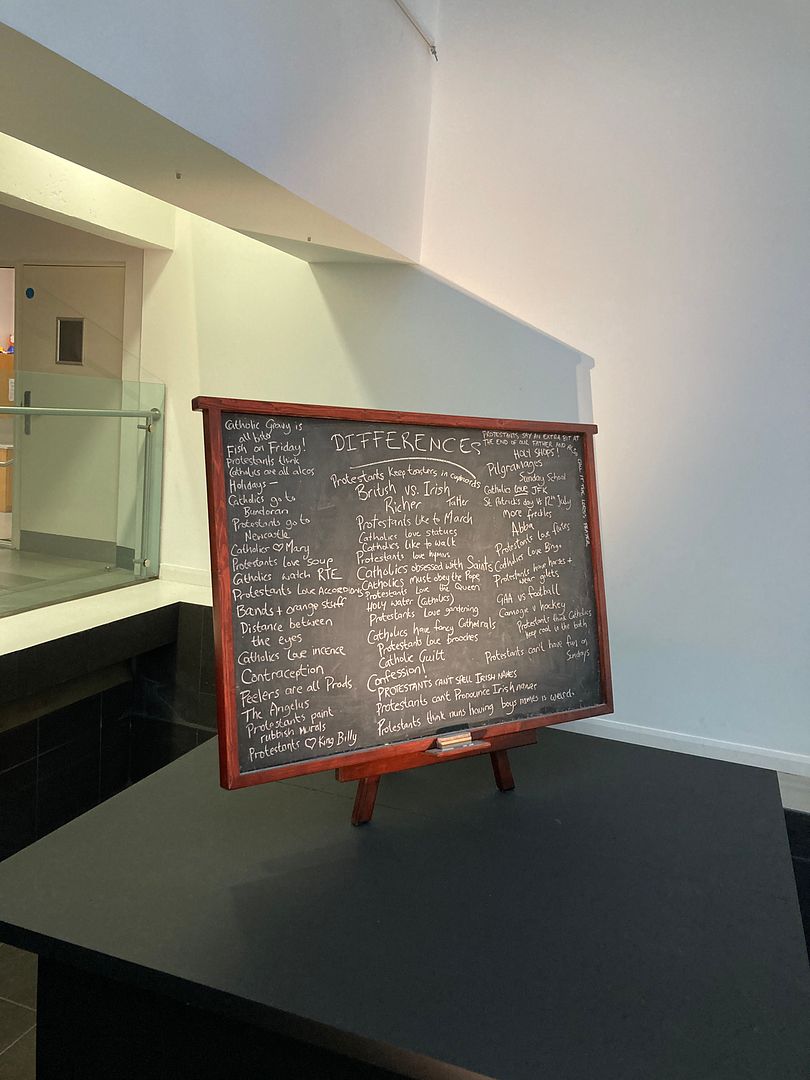
To, let us say, the most recent of Irish history. The above is a prop from a rather famous episode of Derry Girls. (Watch here; language warning. I’ve gotta watch this show.)
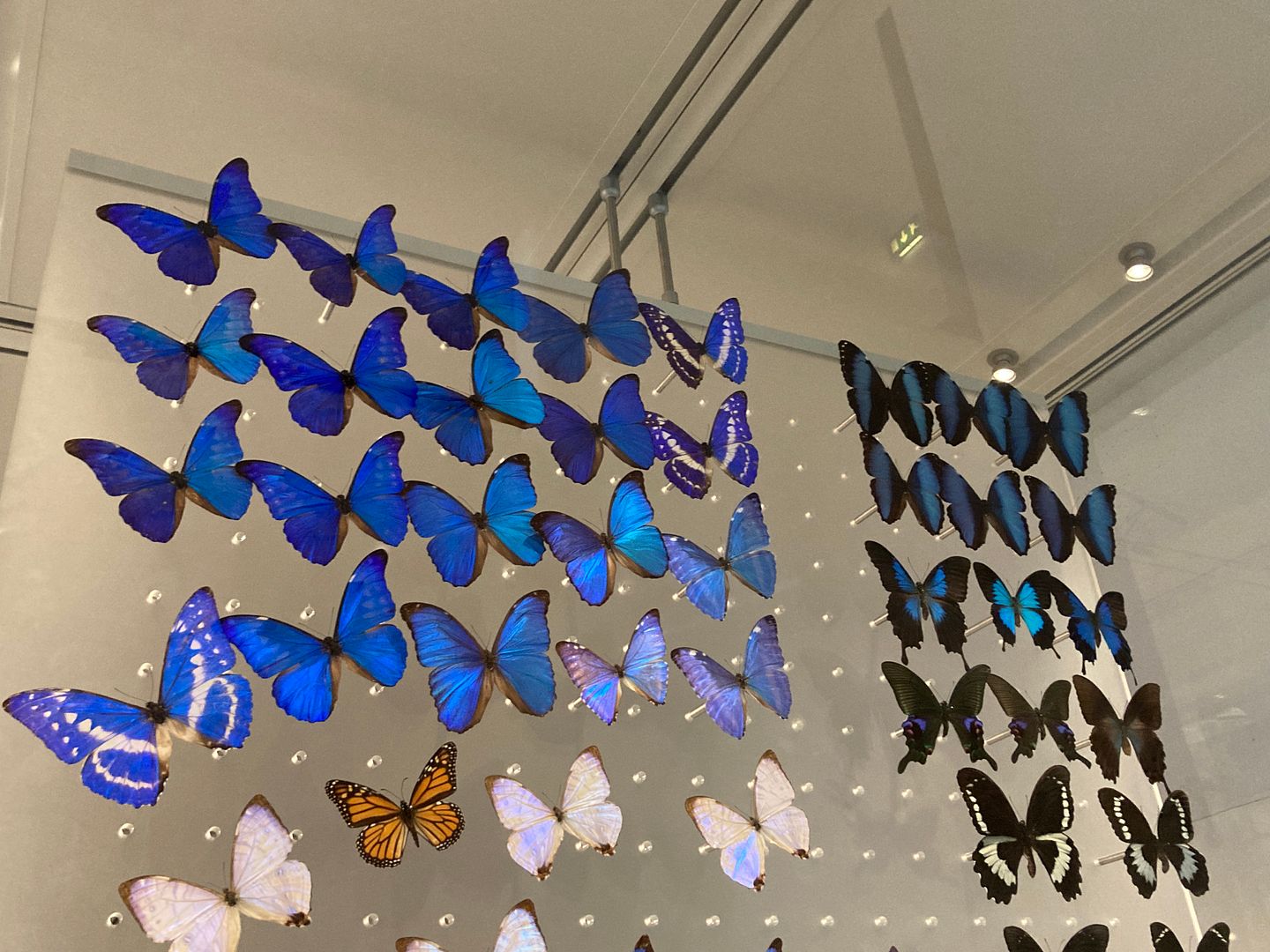
There was loads and loads of natural history, of all the kinds.
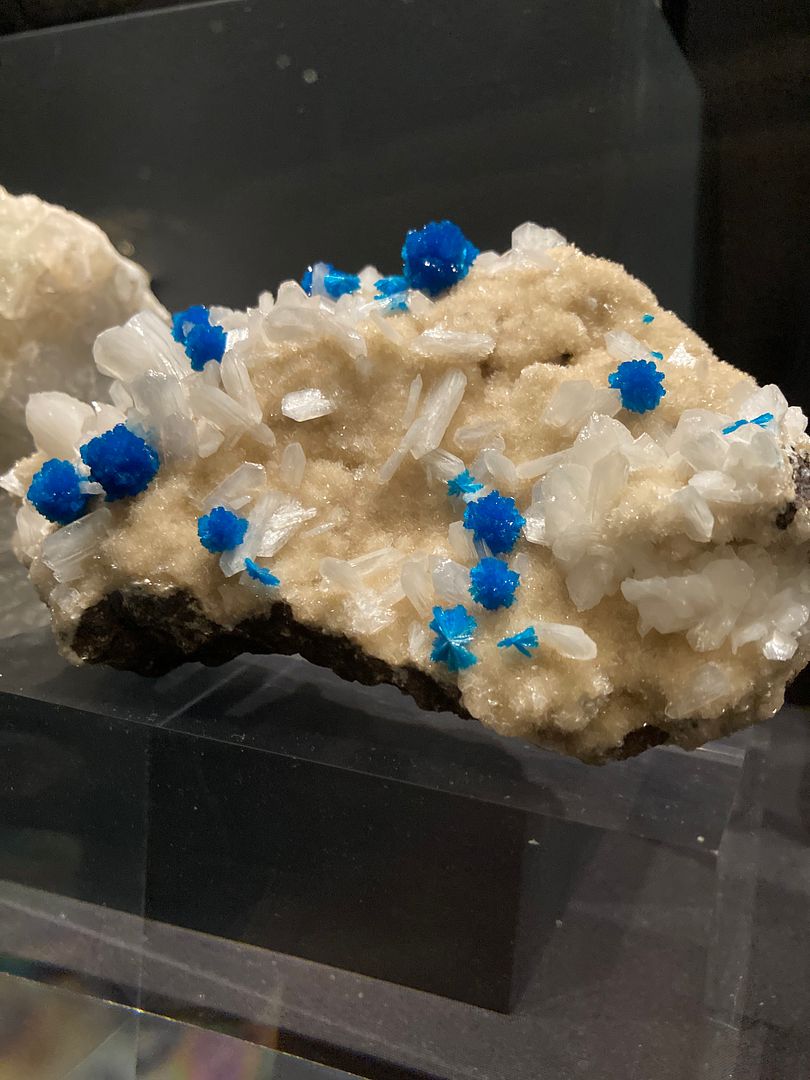
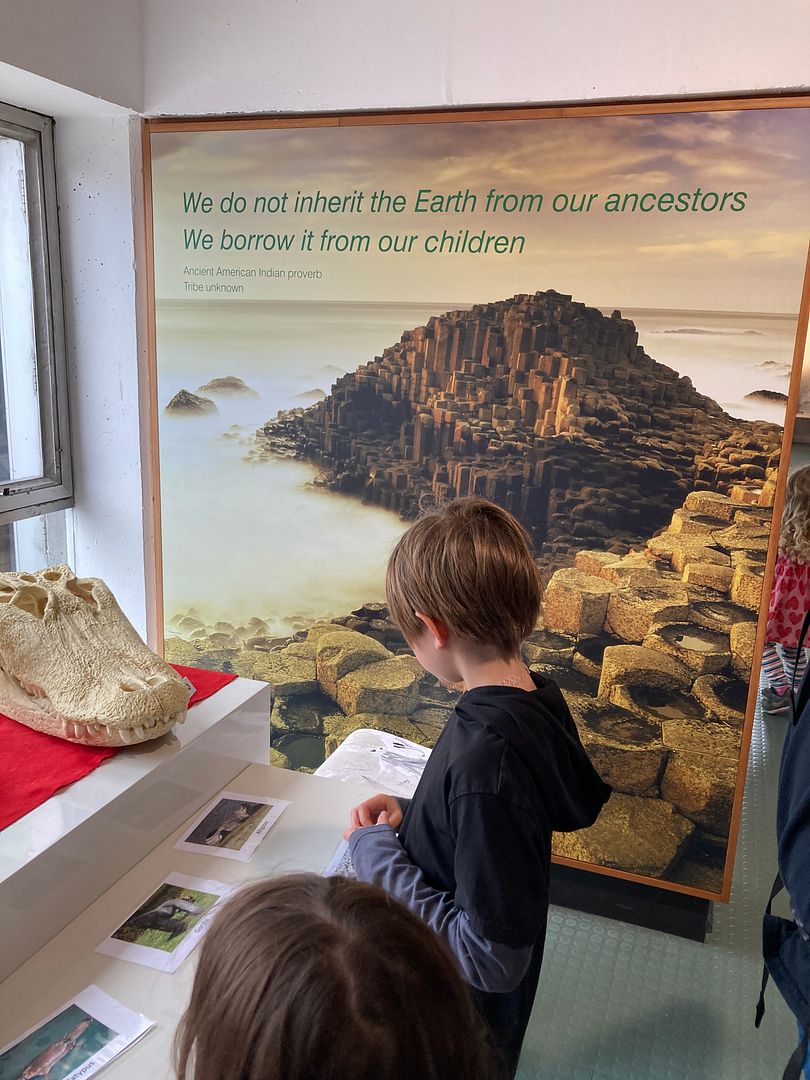
There was a large discovery room for children with things you could touch, draw, magnify, listen to, etc.
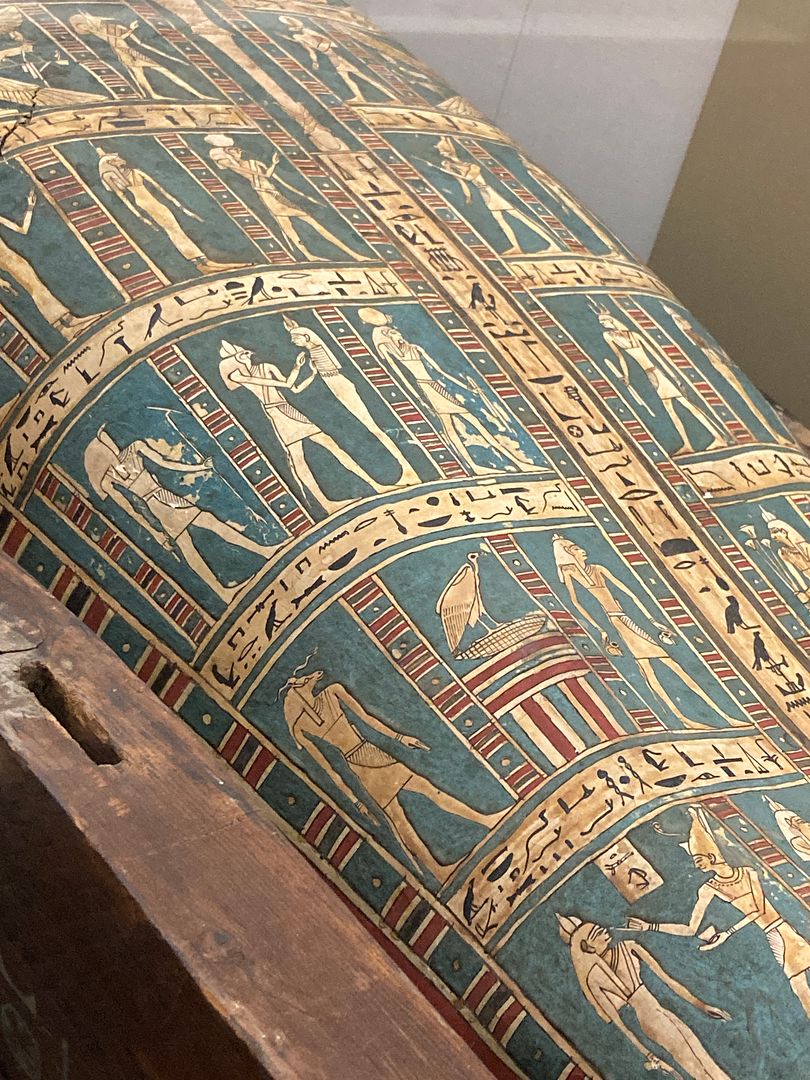
And loads of human history. There was ancient Egypt, including an impressive mummy, and Irish history from the prehistoric right through to the troubles.
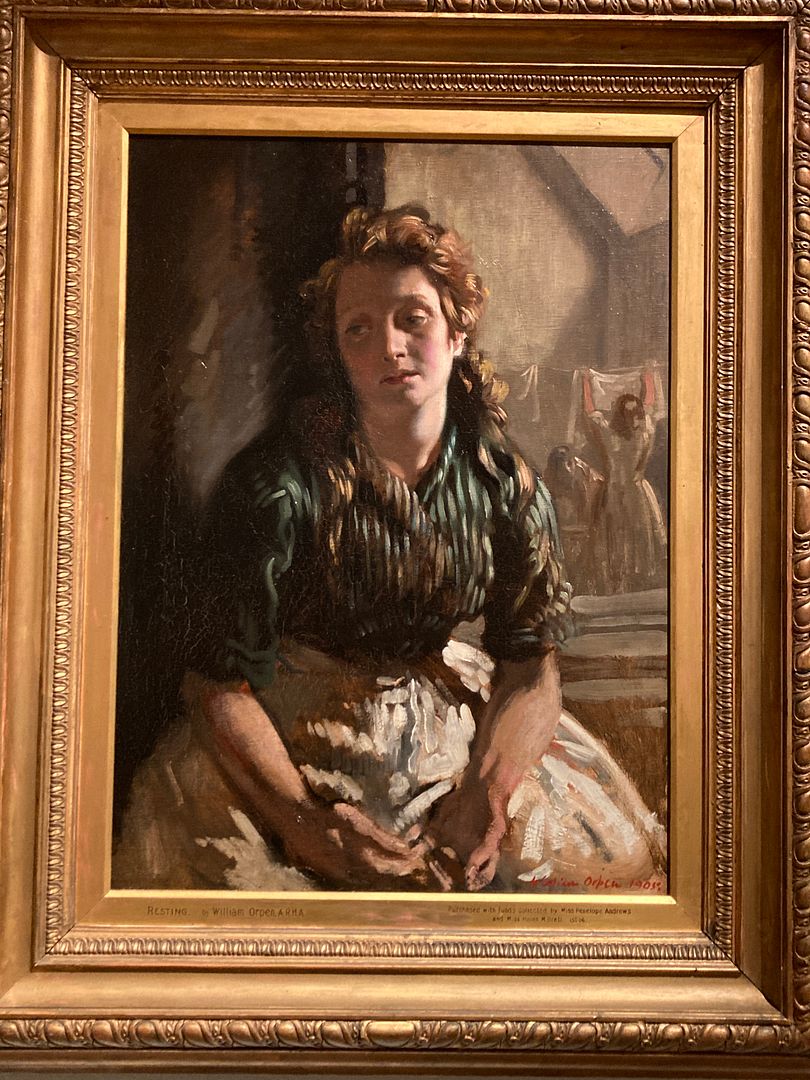
Keep going upstairs, and there’s a whole art museum as well. I spent the most time in the impressionist room, where I learned all about the influences of France on a whole school of Irish impressionism. I took a bunch of pictures, but here are a couple of my favourite pieces.
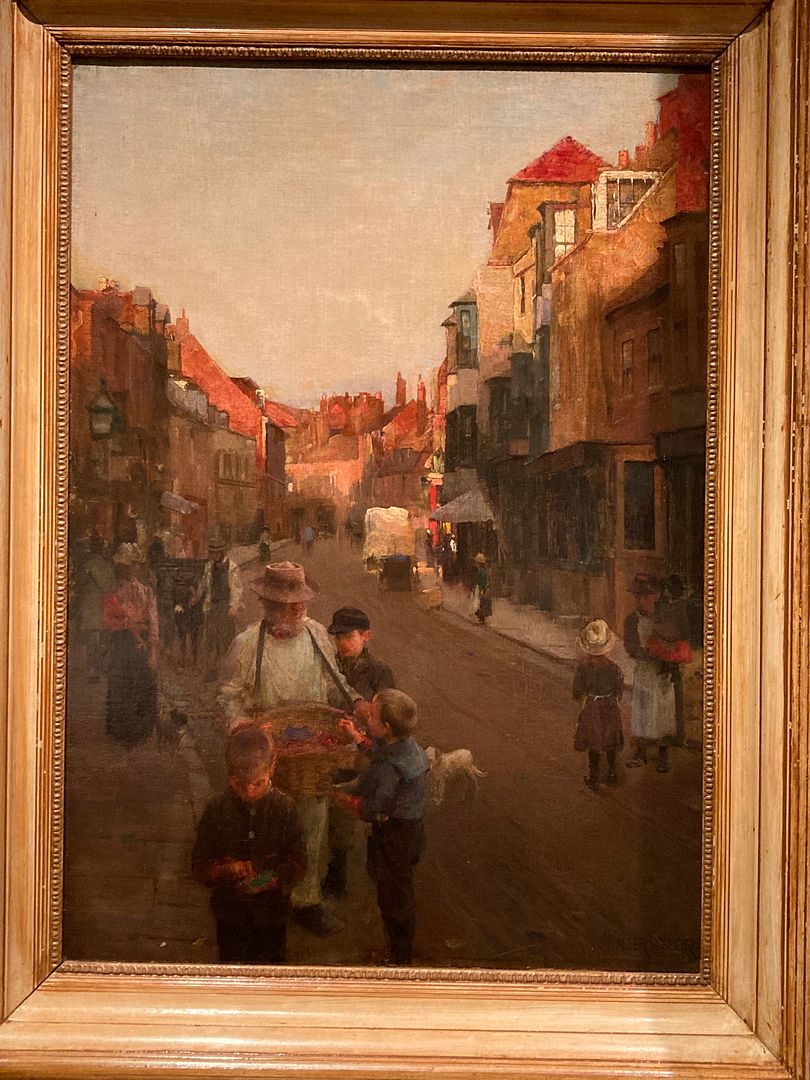
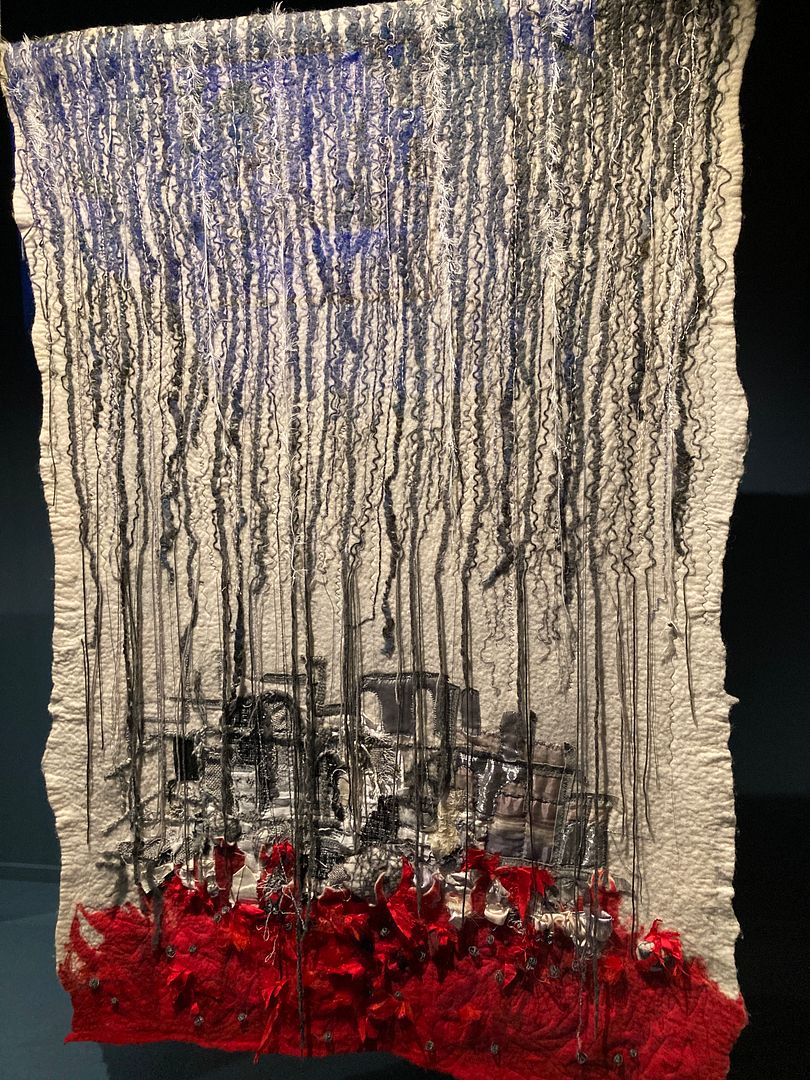
I also spent a lot of time in the modern art exhibits, which I don’t want to dismiss, but I also don’t want to dwell on them? Not to generalize, but the vibes were violent. There was a small exhibit called “Conflict Textiles,” containing textile art, mostly made by women, which depicted messages of political resistance against genocides throughout history. There was so much to unpack here, still dwelling on violence, but with a sense of purpose.
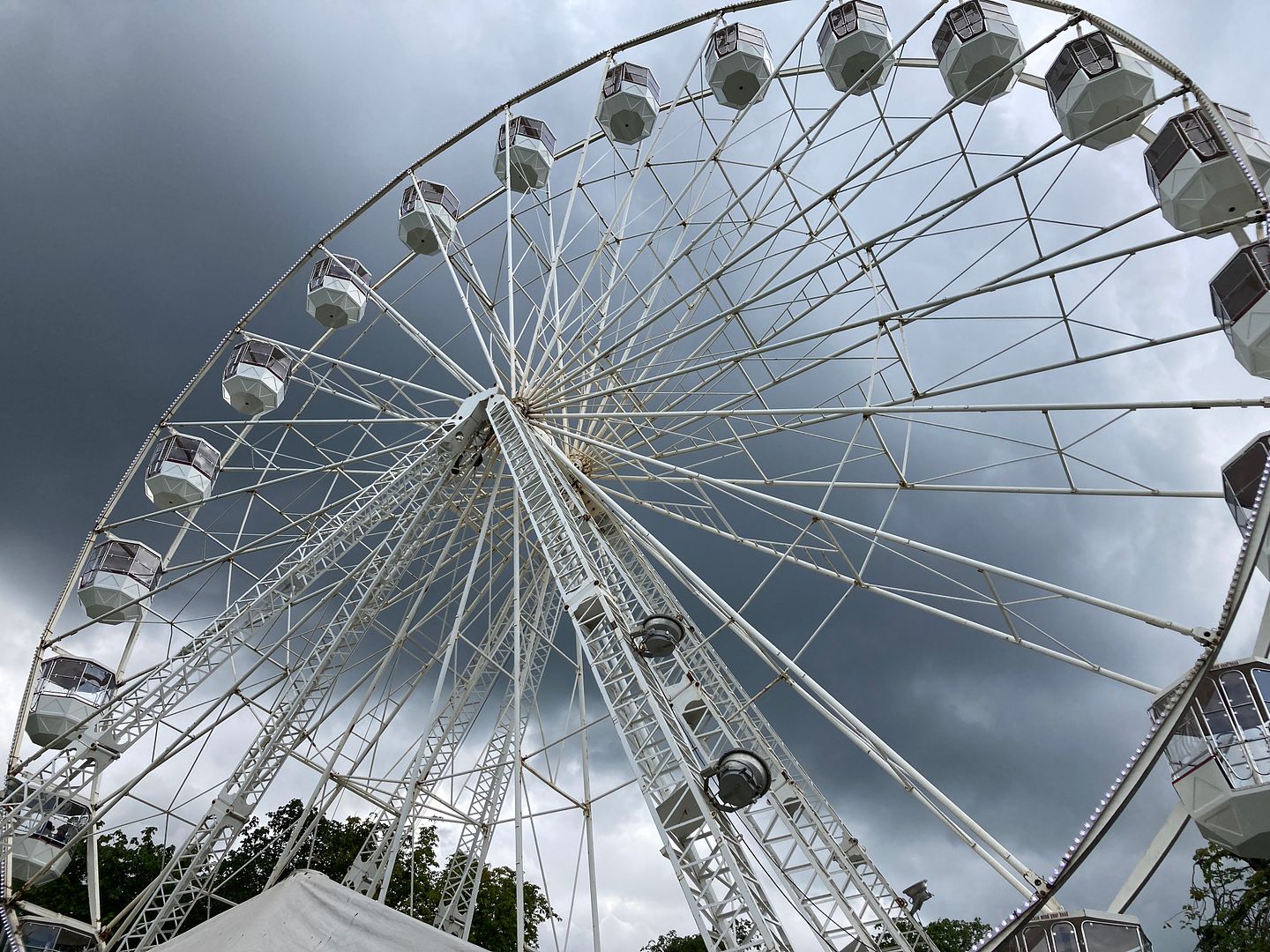
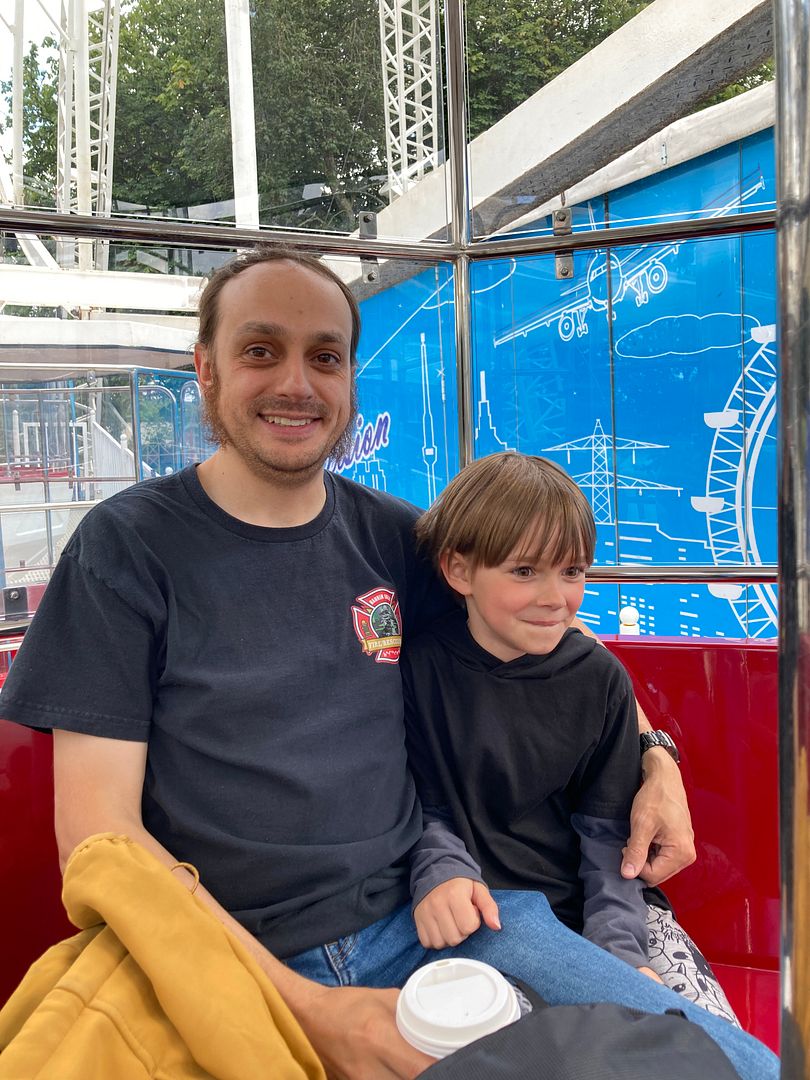
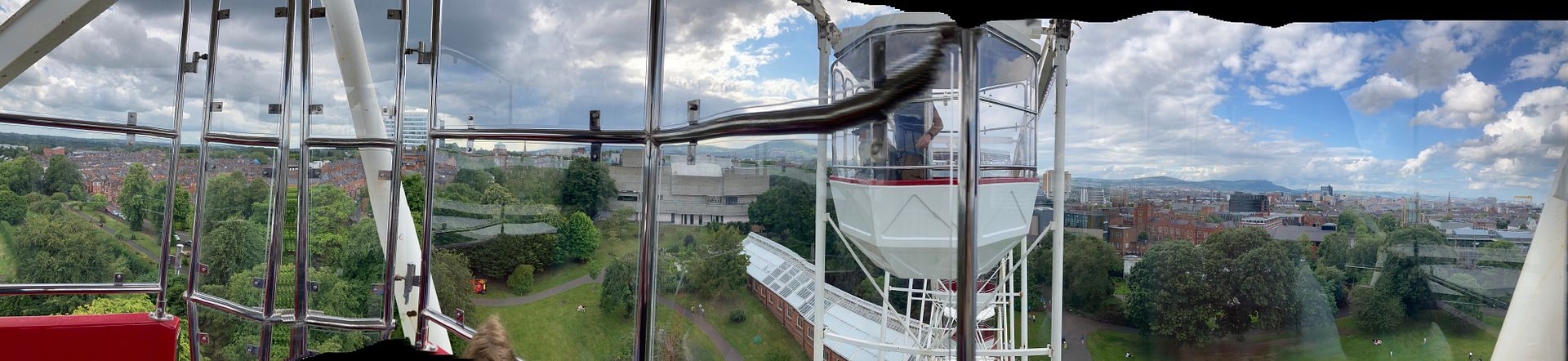
We stayed right up until the museum closed, taking in as much as we could. We closed the day with a ride on the Ferris Wheel, which was right next to the museum.
Book of Kells
Our final museum adventure of this trip took us back down to Dublin. We decided to travel down by train.
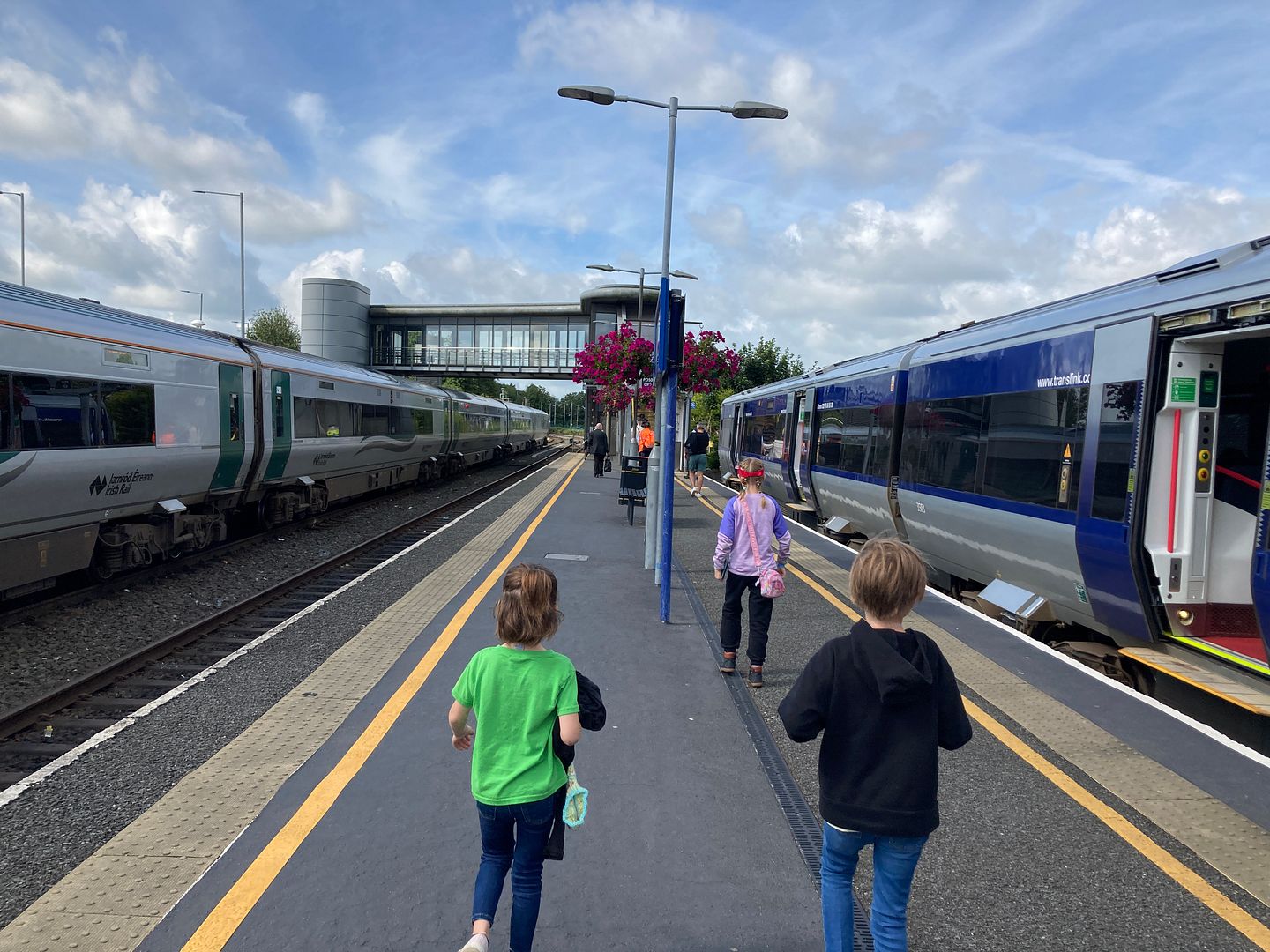
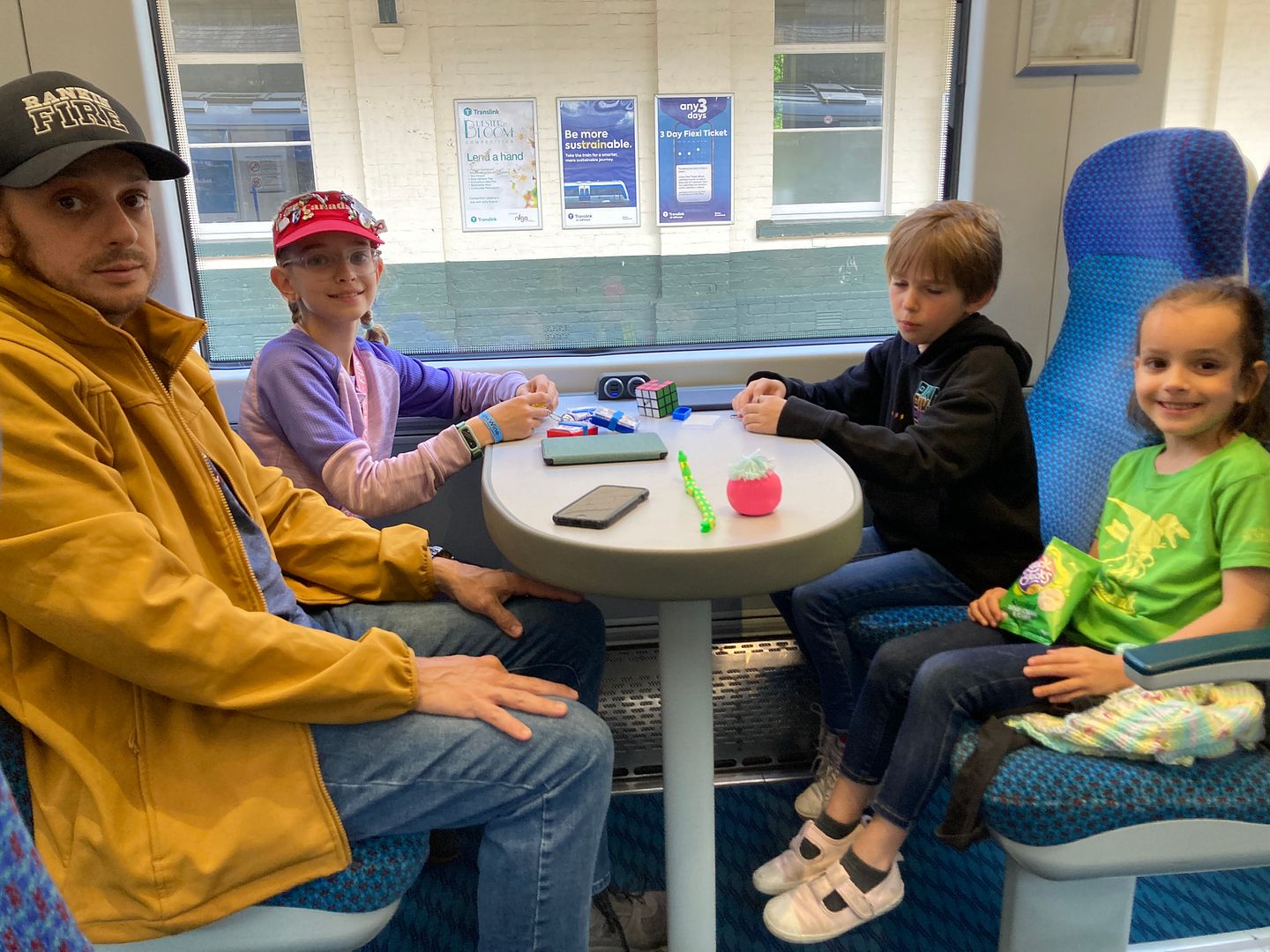
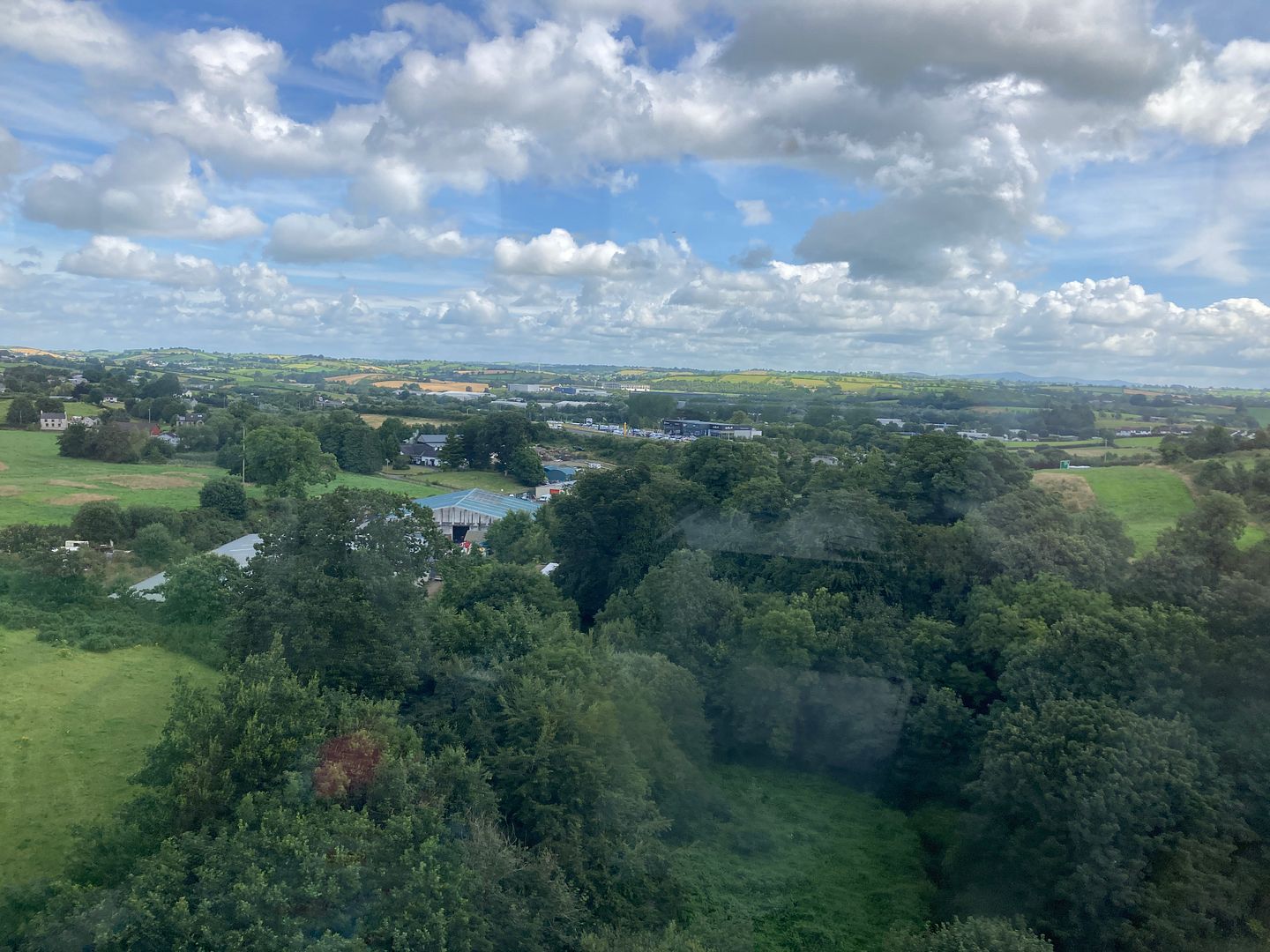
The train ride from Lisburn down to Dublin included one changeover at Portadown, but was otherwise pretty uneventful. It was nice to be able to move around and take in the scenery – mostly farmland, but some coast as well.
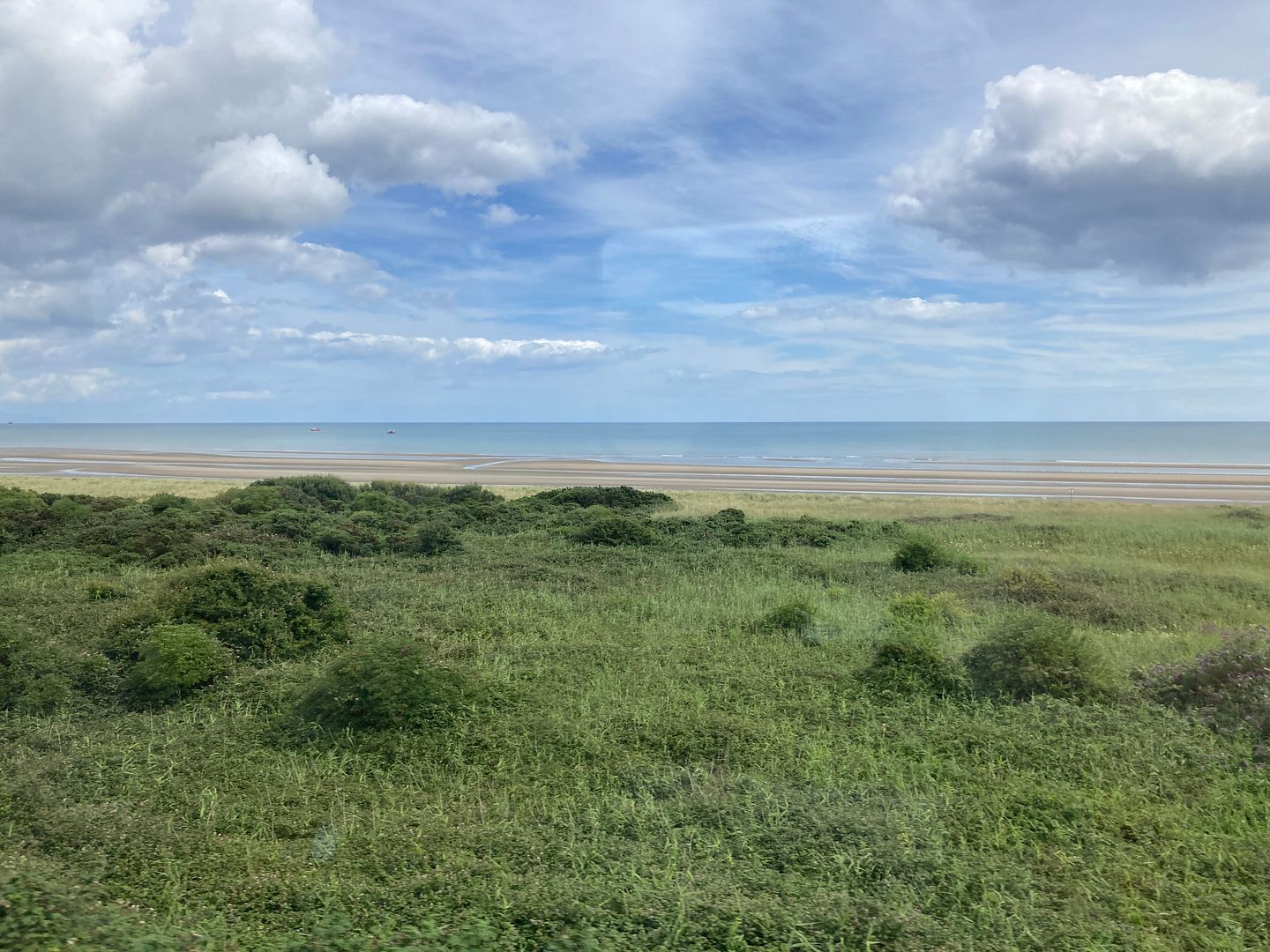
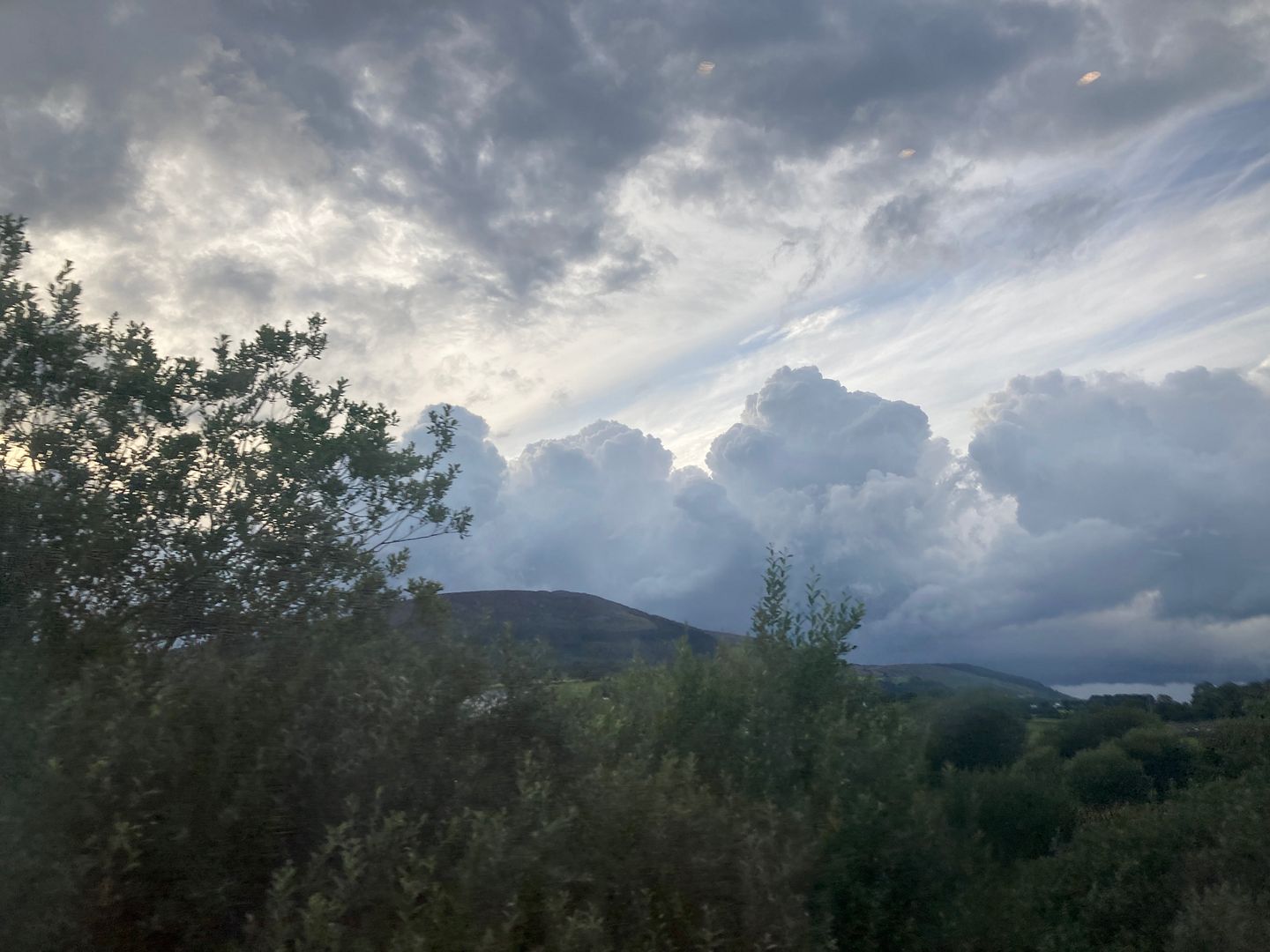
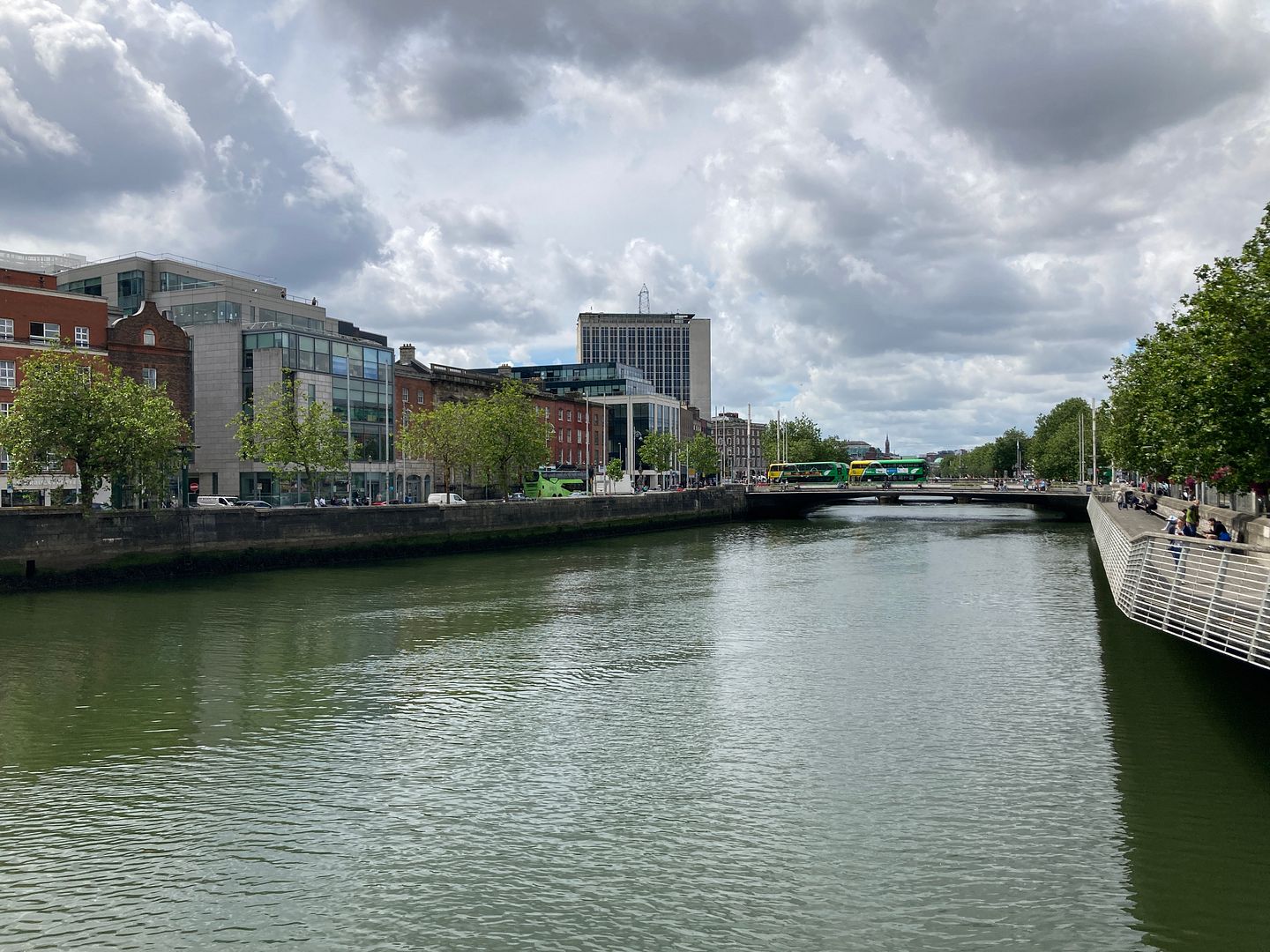
We walked through a little of Dublin, including over the River Liffey. The bit of the city we saw was bustling and colourful.
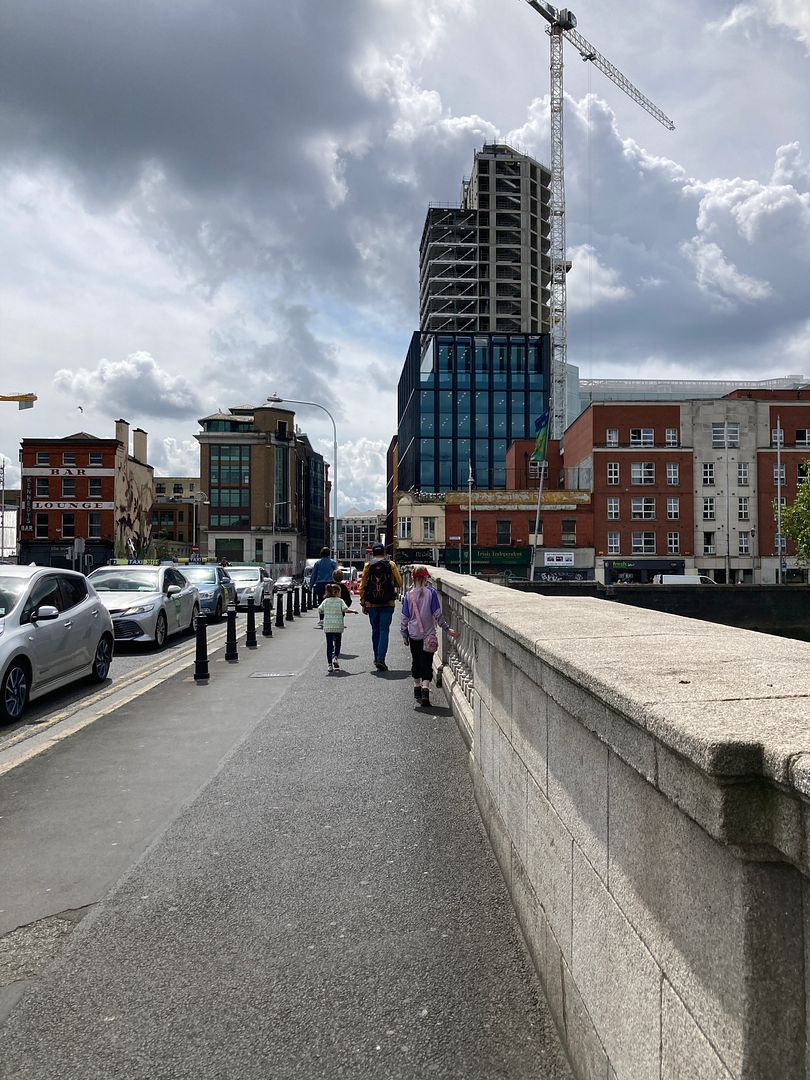
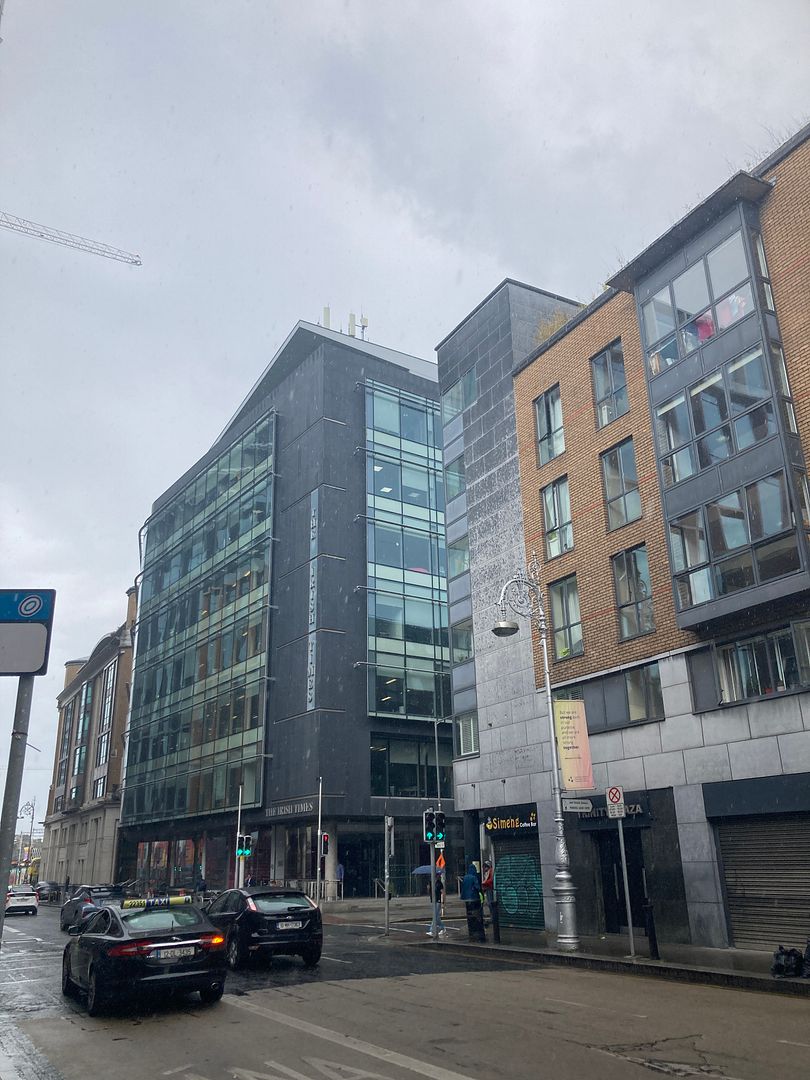
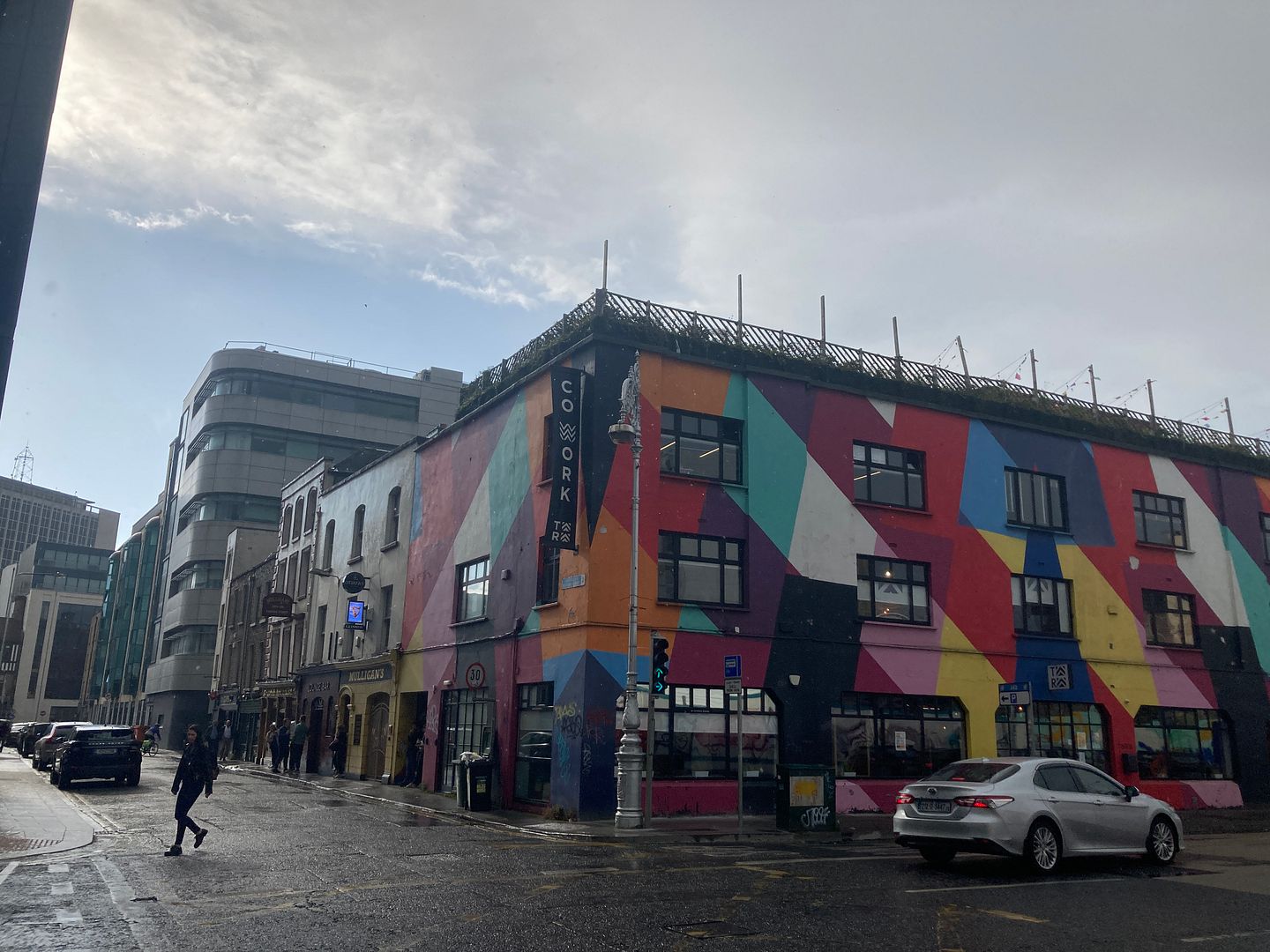
Our destination was Trinity College Dublin. Our plan was to see the Book of Kells exhibit.
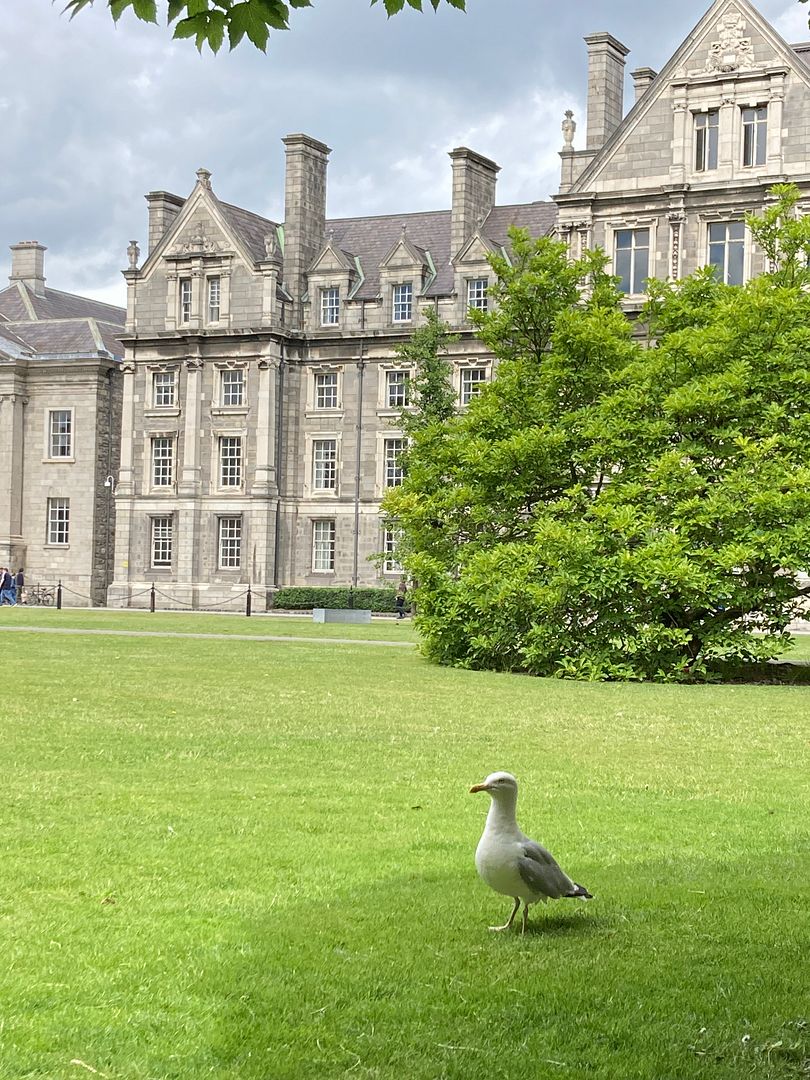
Our plans ran into a bit of a snag here, which I am not going to dwell on. There was angst and meltdowns. But the upshot was, we ended up tacking on a tour of the campus to our Book of Kells experience, and we enjoyed that tour very much.
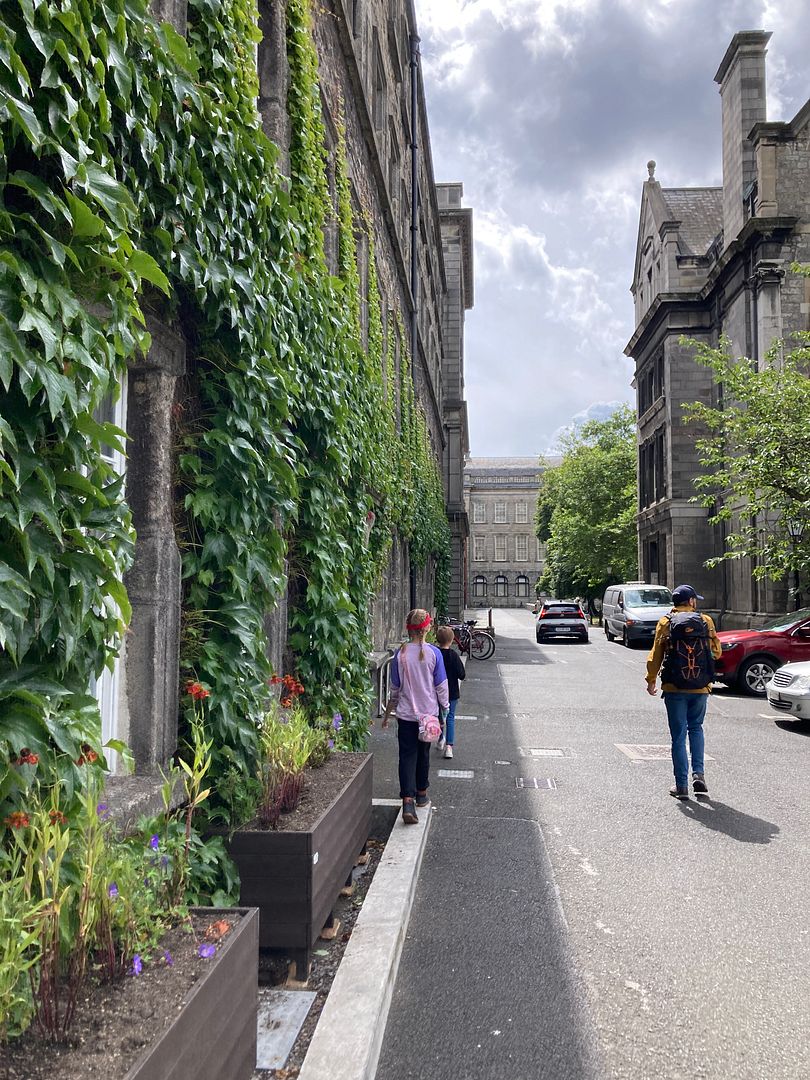
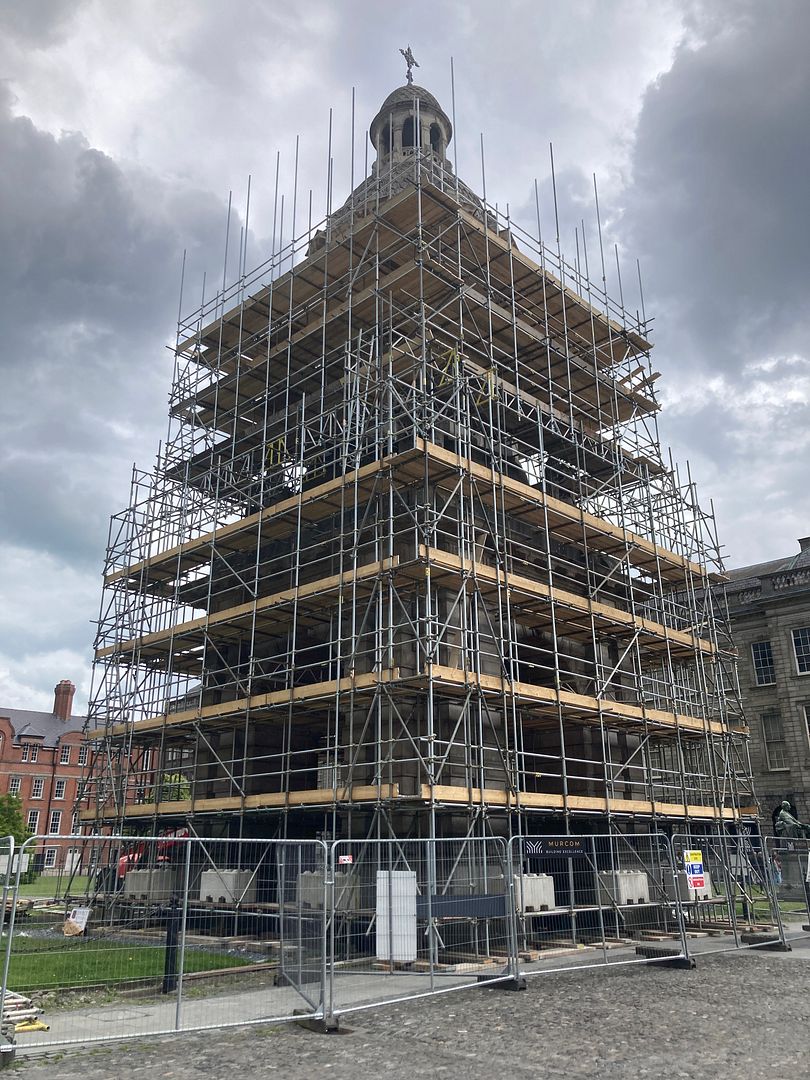
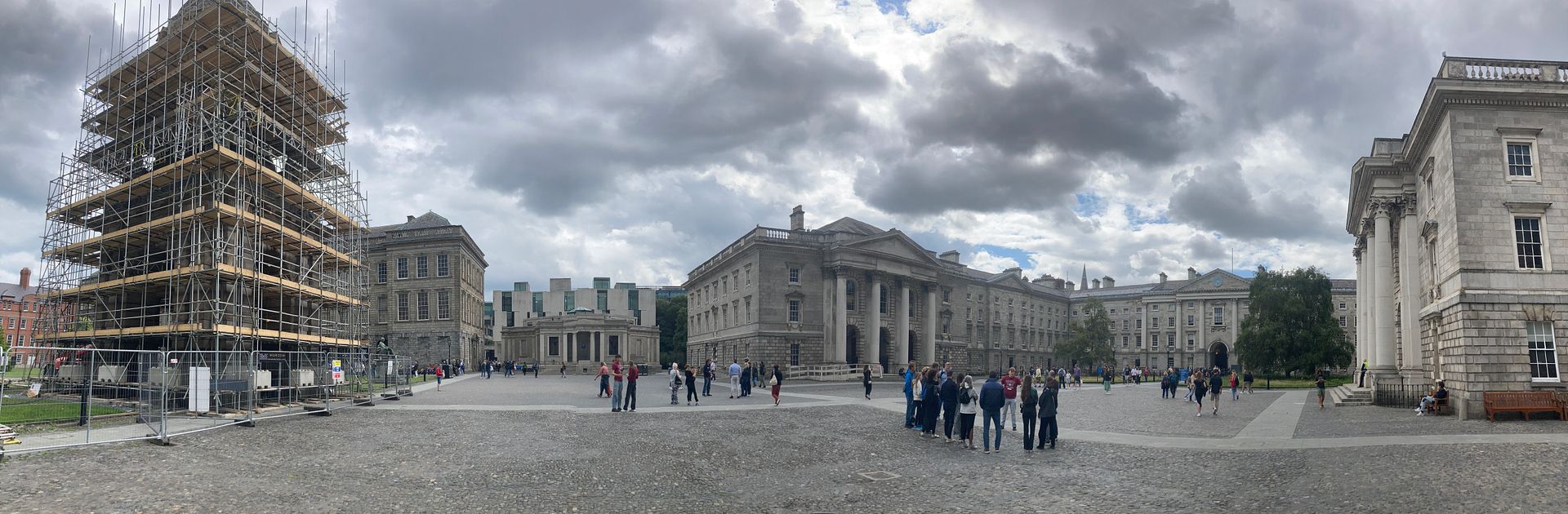
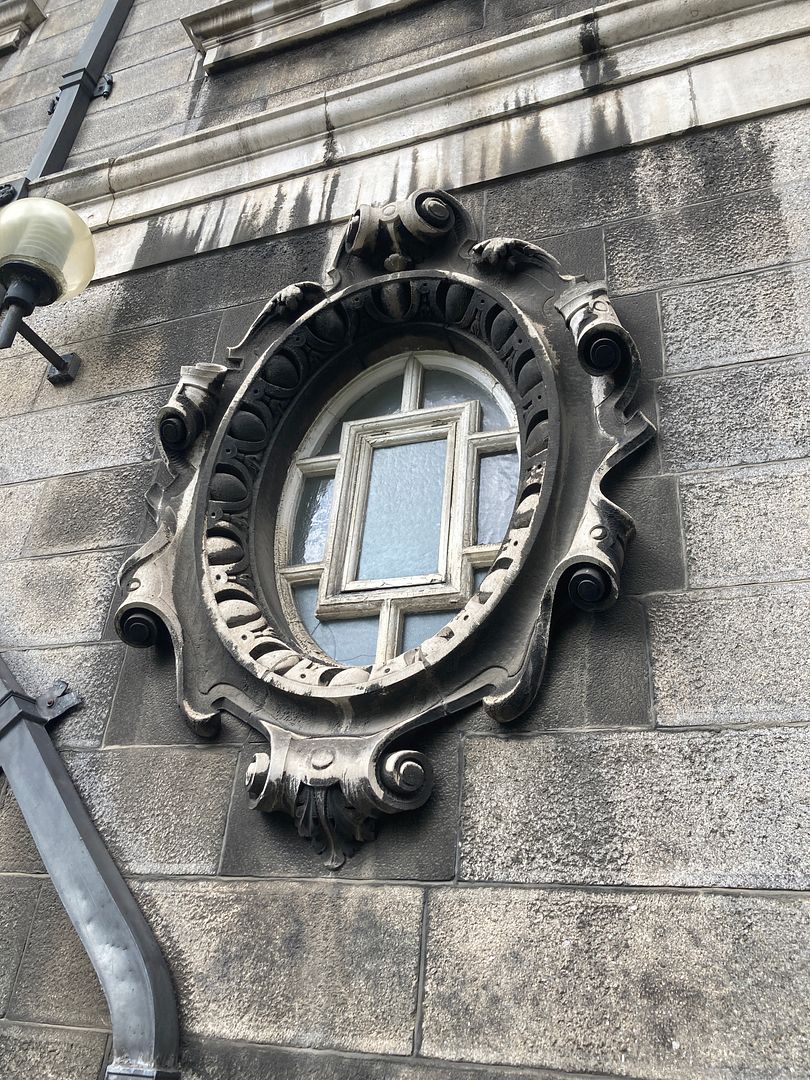
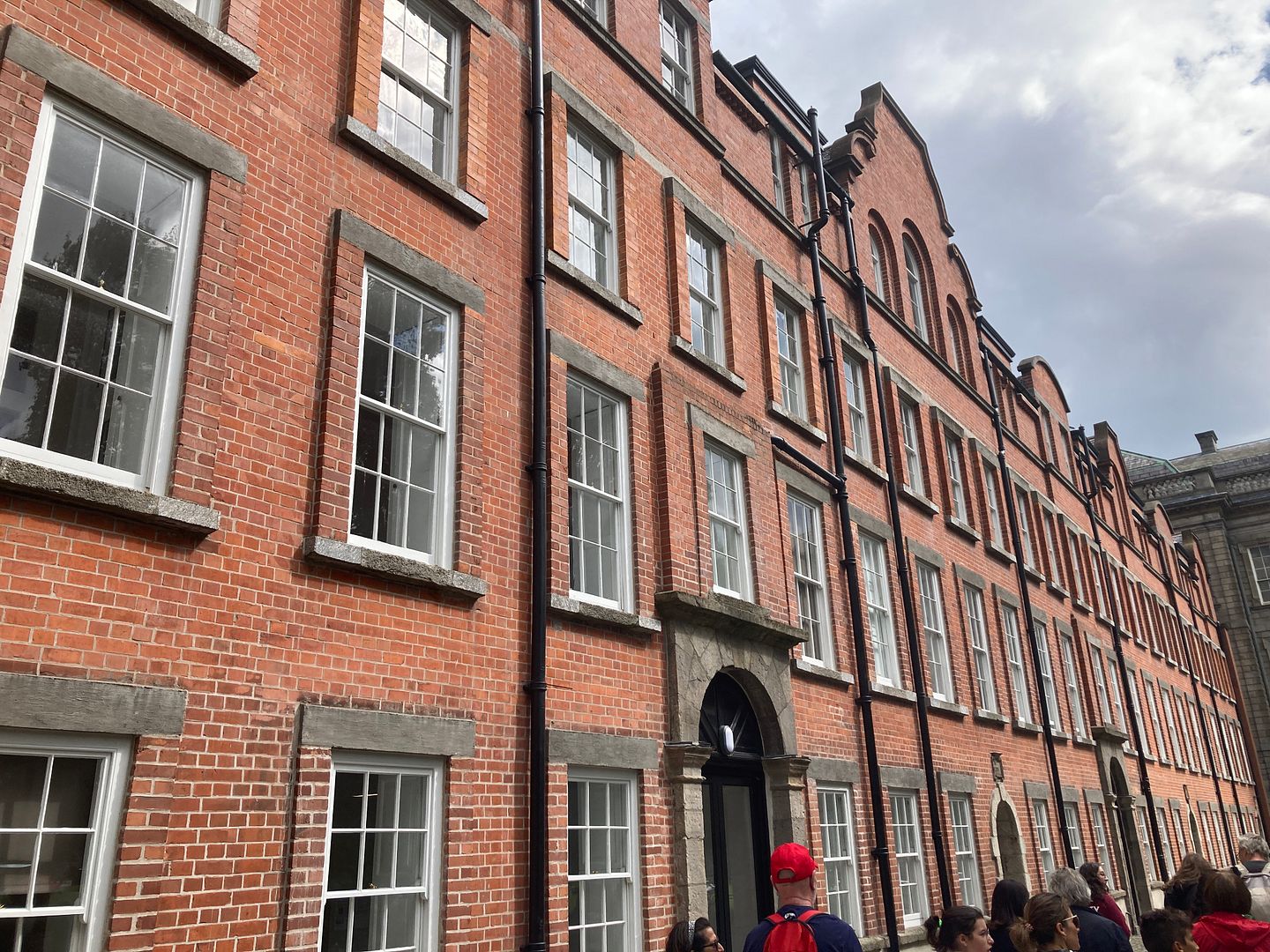
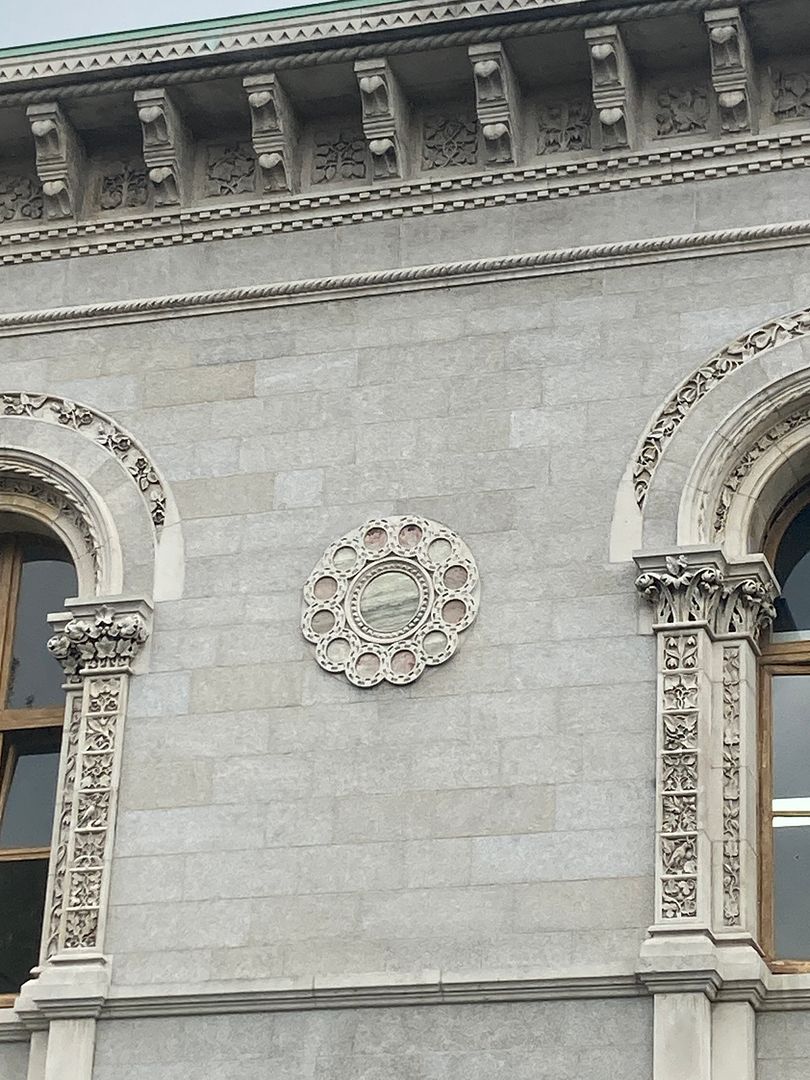
The most picturesque building of the tour, which we got to go inside, was I believe a science and engineering building. It’s remarkable for having elaborately decorated exteriors and interiors, beautiful to behold. Though our admiration was chastened by our tour guide with the reminder that this was all built by wealthier English landholders during the potato famine when Irish were starving.
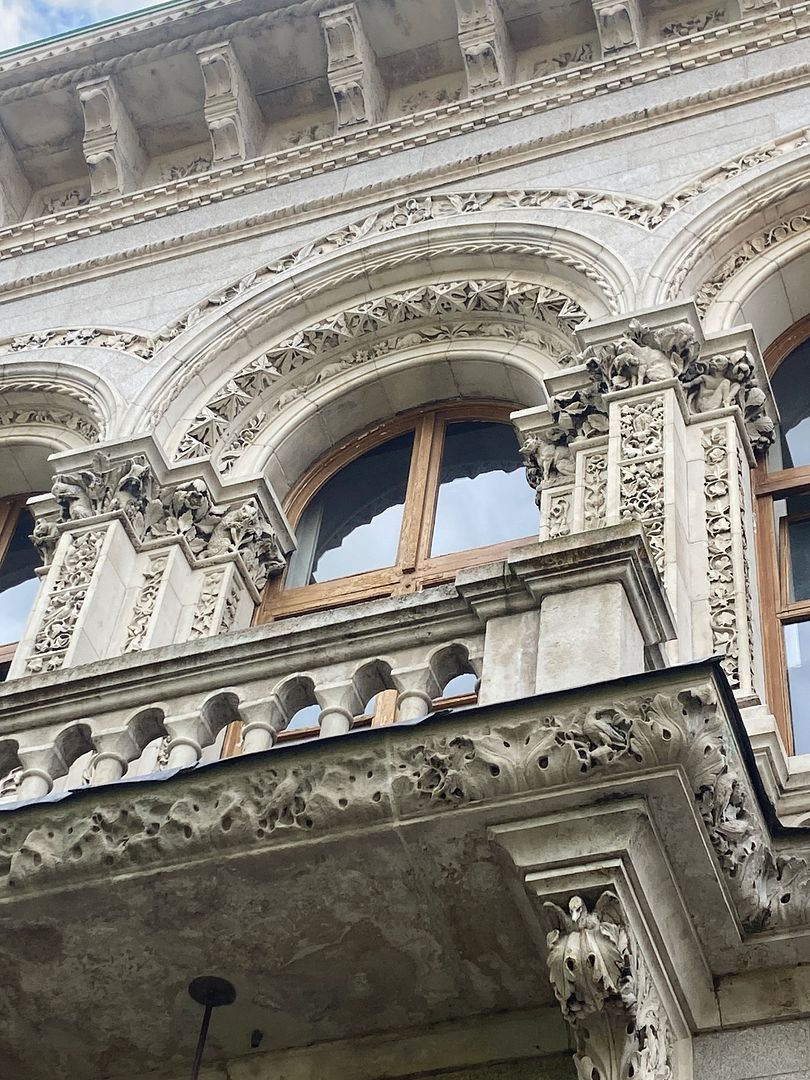
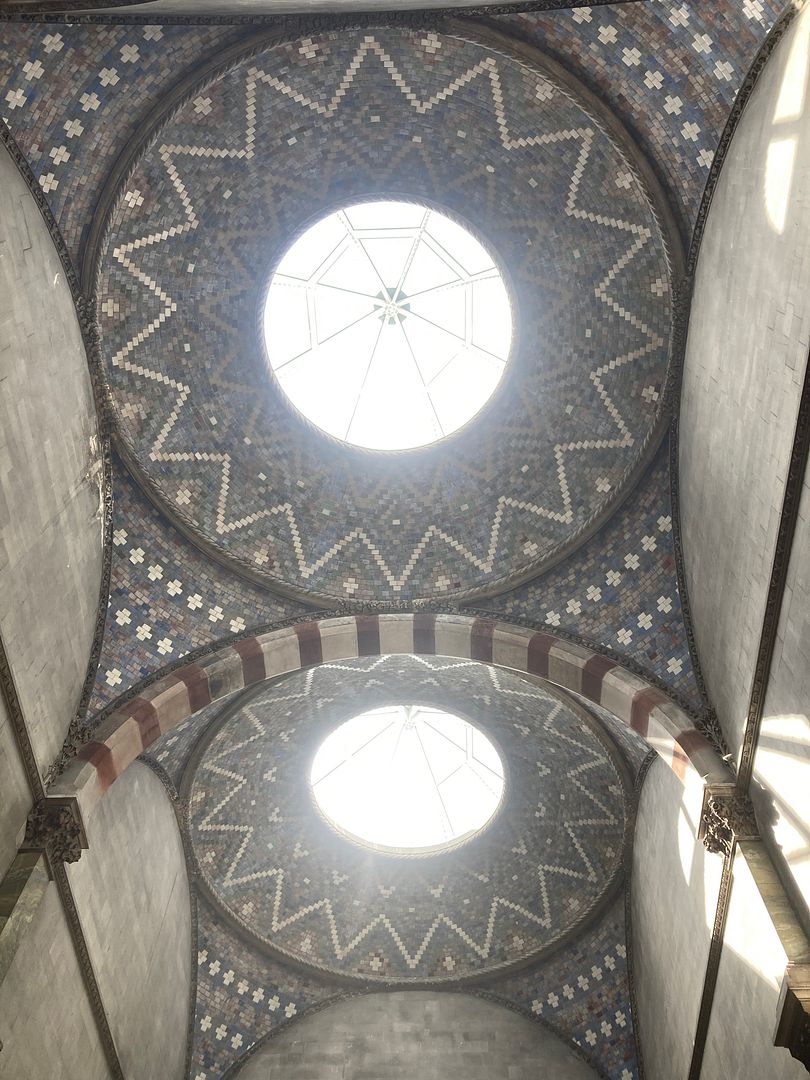
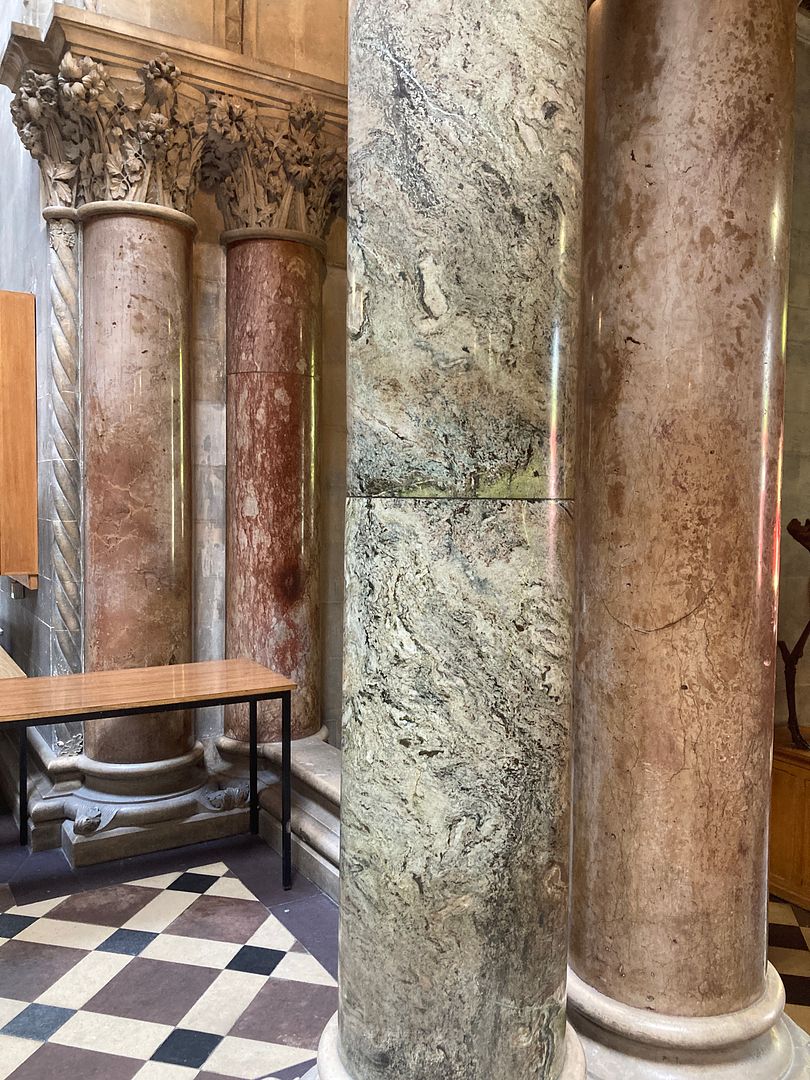
There are loads of different marbles used on the inside of the building, and a bit on the outside as well. The different colours were used for these incredible tiled ceilings, for railings and arches, and for these massive columns. They looked like they wanted to be reinterpreted as art batts.
When the tour was complete, we got to enter the main event of the day, which was the “Book of Kells Experience.” You know that when a museum calls itself an “Experience,” it’s going to be fancy and multimedia. This certainly did not disappoint. There was an audio tour for adults and a booklet for kids to scavenger hunt with.
The experience starts in a downstairs area that went through all the history of writing and book making in ancient times, before getting into the weeds about some of the beautiful artwork you can find in the Book of Kells.
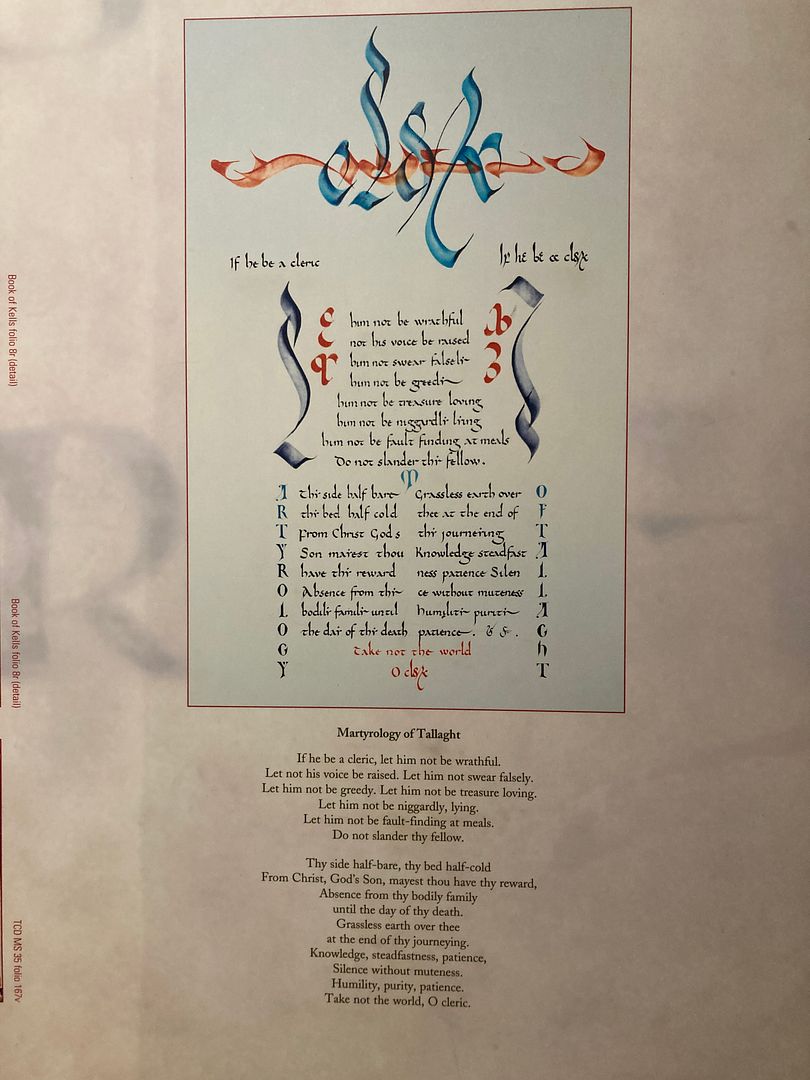
What is the Book of Kells? I’m glad you asked. It’s a manuscript of the Gospels, in Latin, that was made in a Columban monestary . It’s remarkable because it’s very old – 800s – and because it is really unbelievably, impossibly ornate. In itself, it’s probably the most densely packed collection of Celtic art in existance.
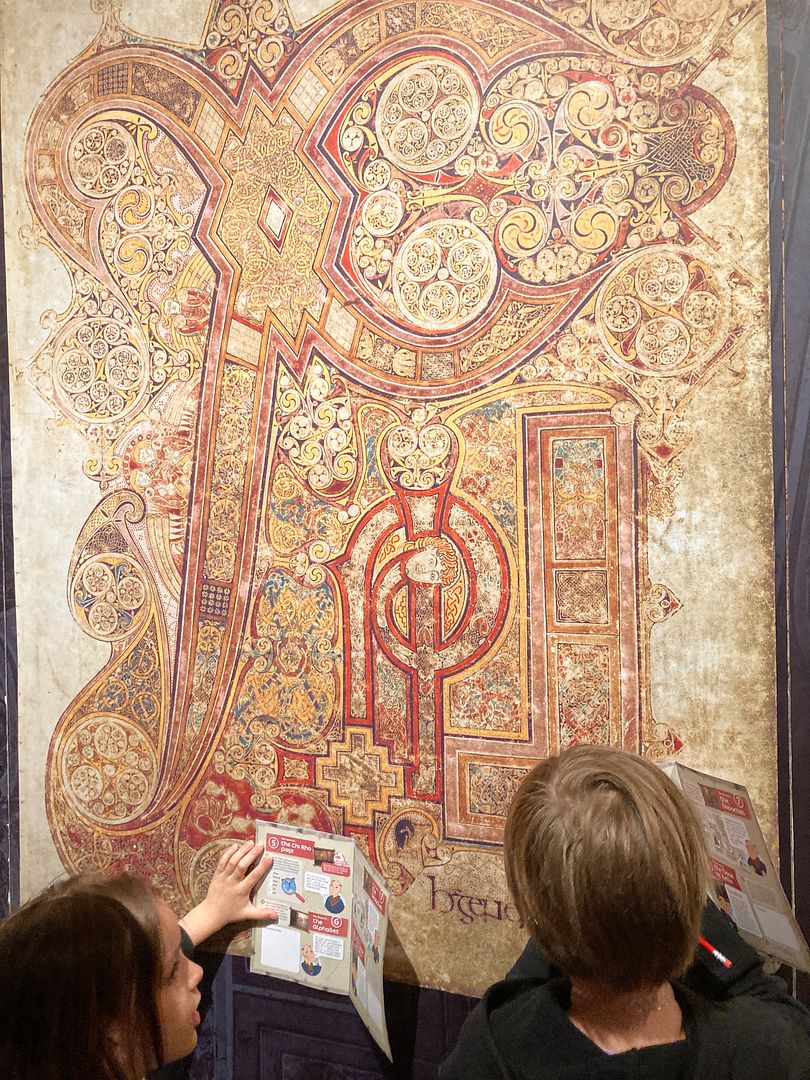
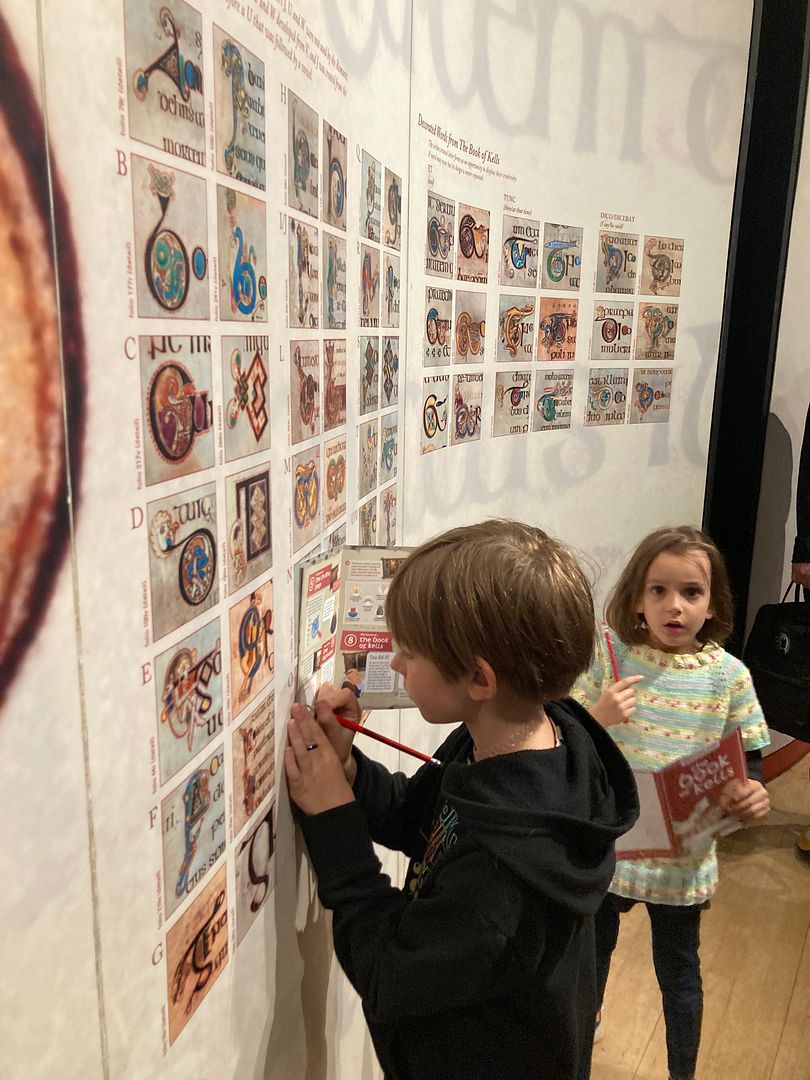
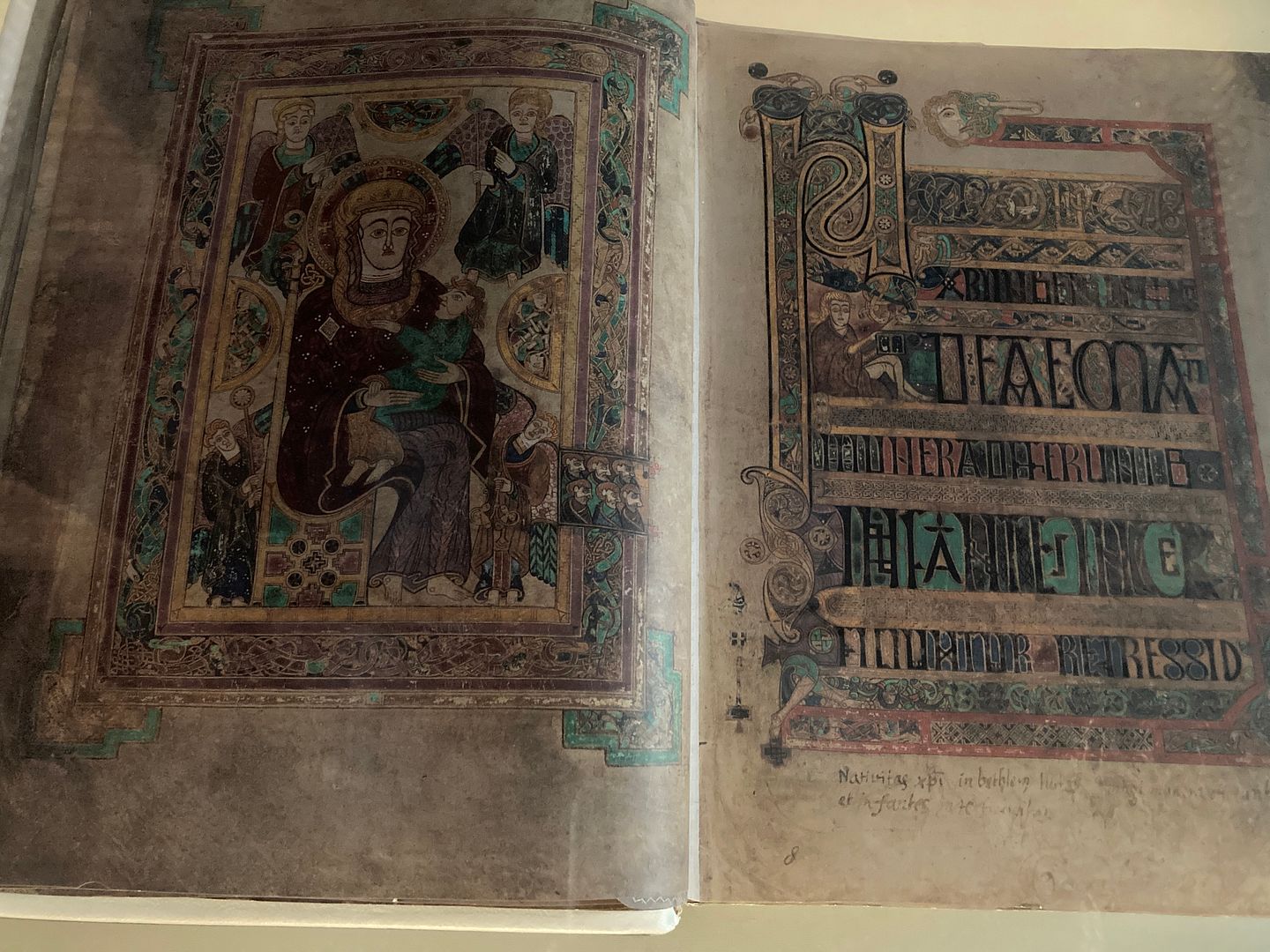
At the end of this room of history and anticipation, you get to see the book itself. It was encased in glass in a large, dark room, open to the genealogy at the beginning of Matthew. Beautifully preserved and lit, the colours all still pop, much more than appears below. We couldn’t take pictures of the book itself, but below is a fair copy housed in the Long Room, which is where we went next.
Upstairs from the display room is the Long Room of the Old Library. This eminently photographable geometric masterpiece of a room is utterly iconic.
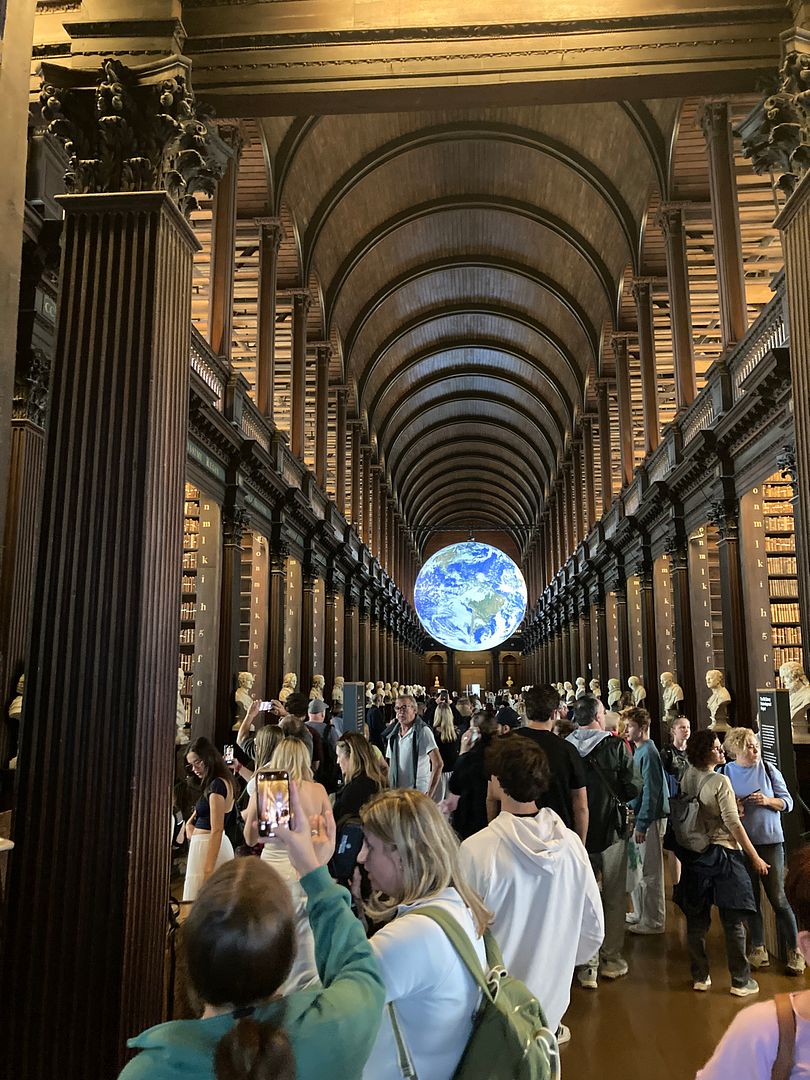
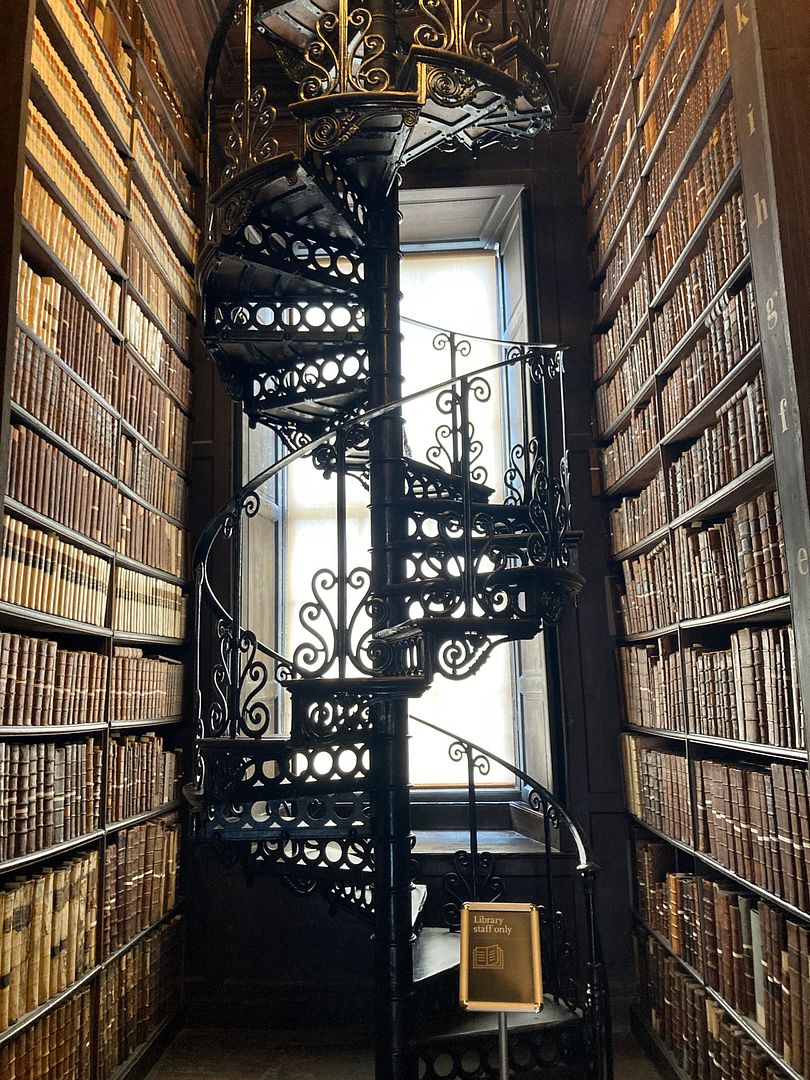
Apparently the room wasn’t always this tall; the second story was added when they ran out of room. Most of the books were out for conservation, but they did have some neat video displays of how the book conservation work is done. It’s a place that puts you in awe of books as objects, their care and making.
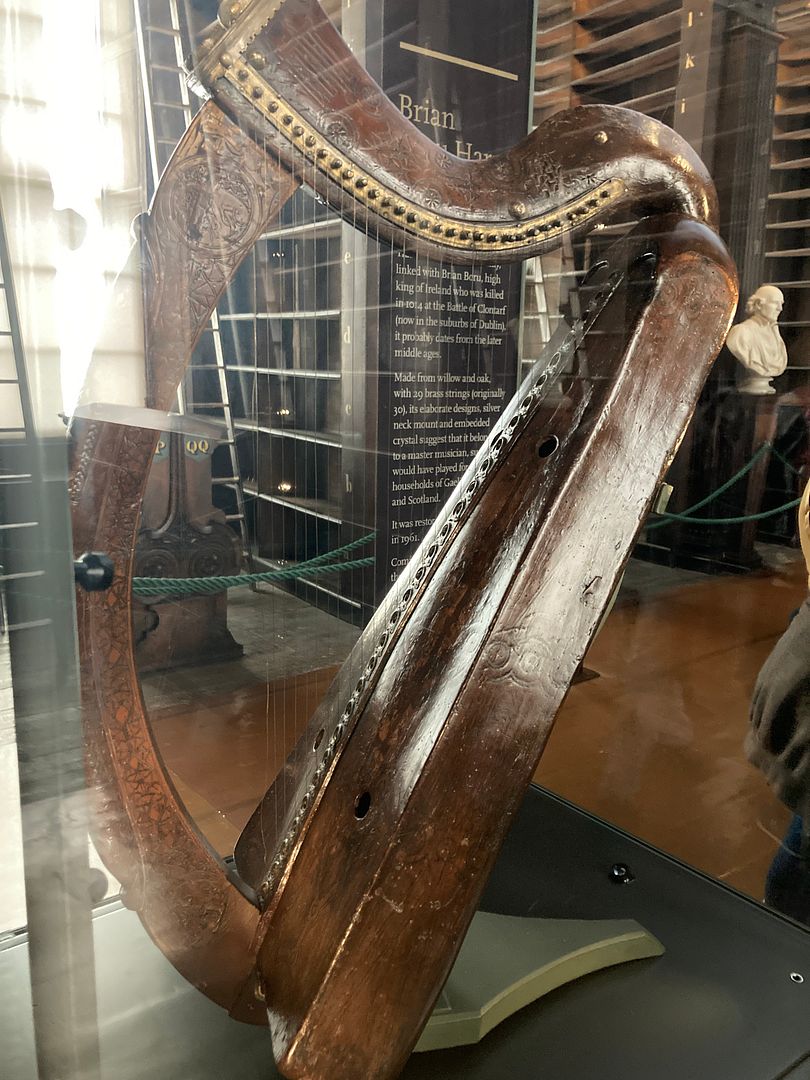
Also iconic, this centuries old harp is the brand of Guinness beer and the government of the Republic of Ireland. Although, because of copyright law, the government had to flip the symbol backwards to use it.
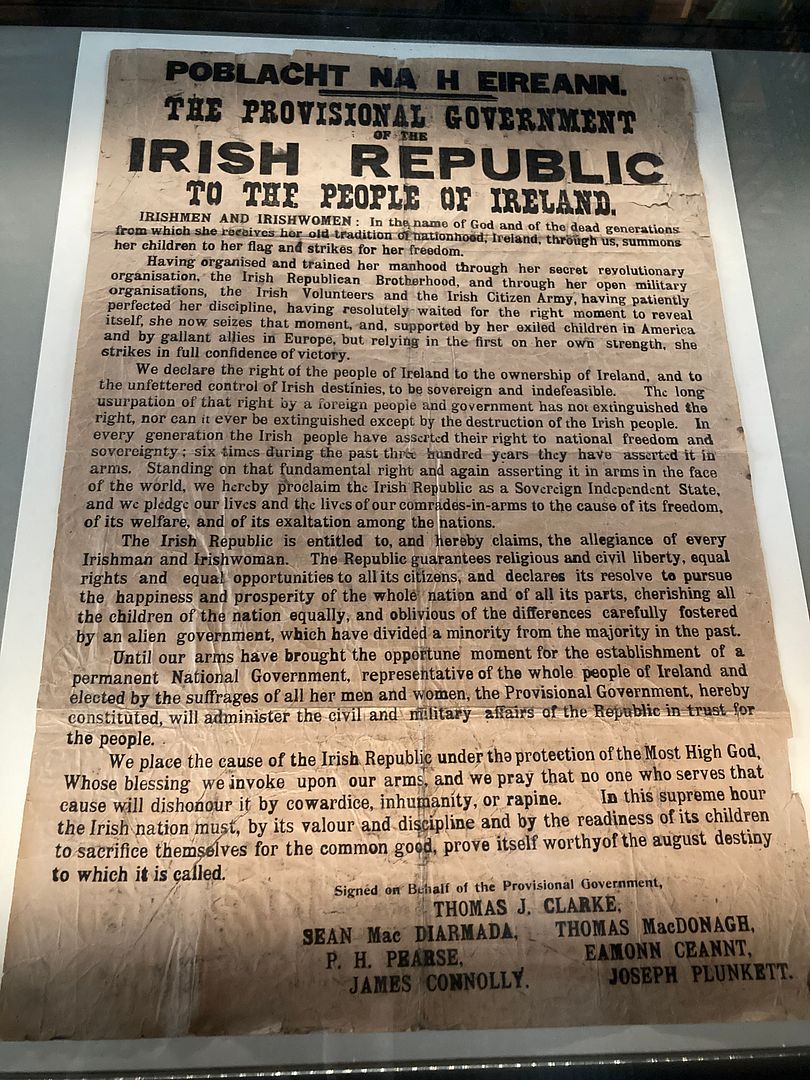
The long room also had displays of several remarkable documents, including one of the original copies of the Proclamation of the Irish Republic.
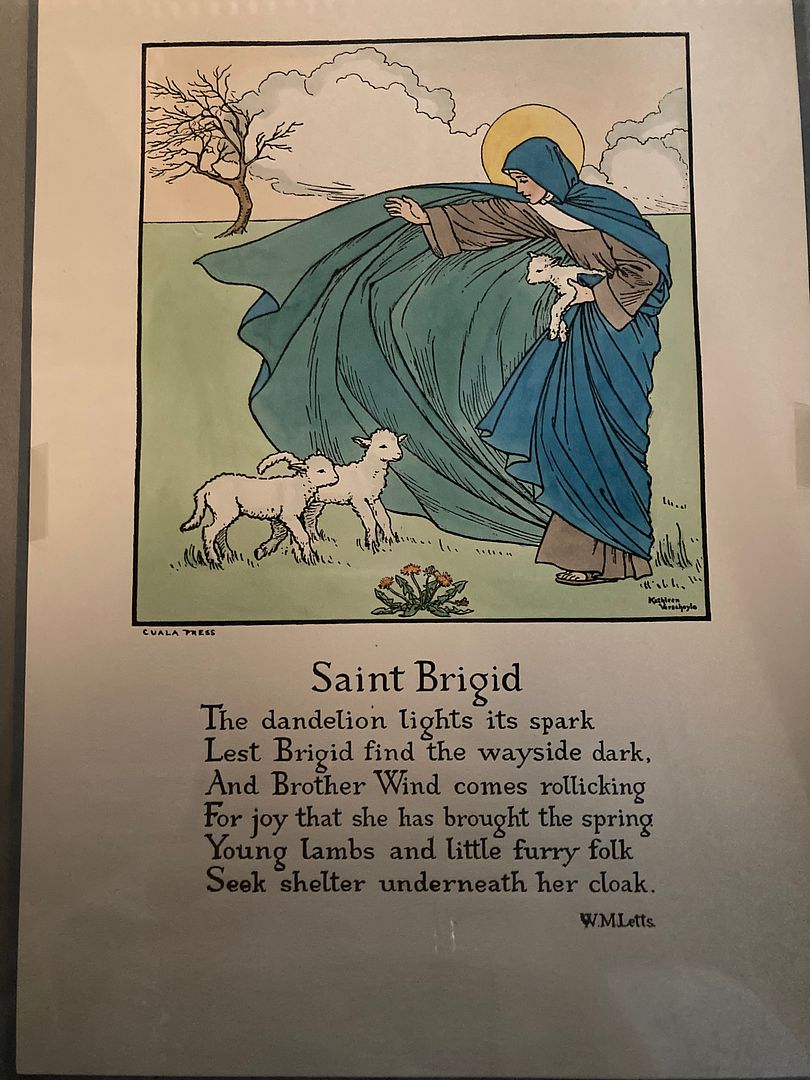
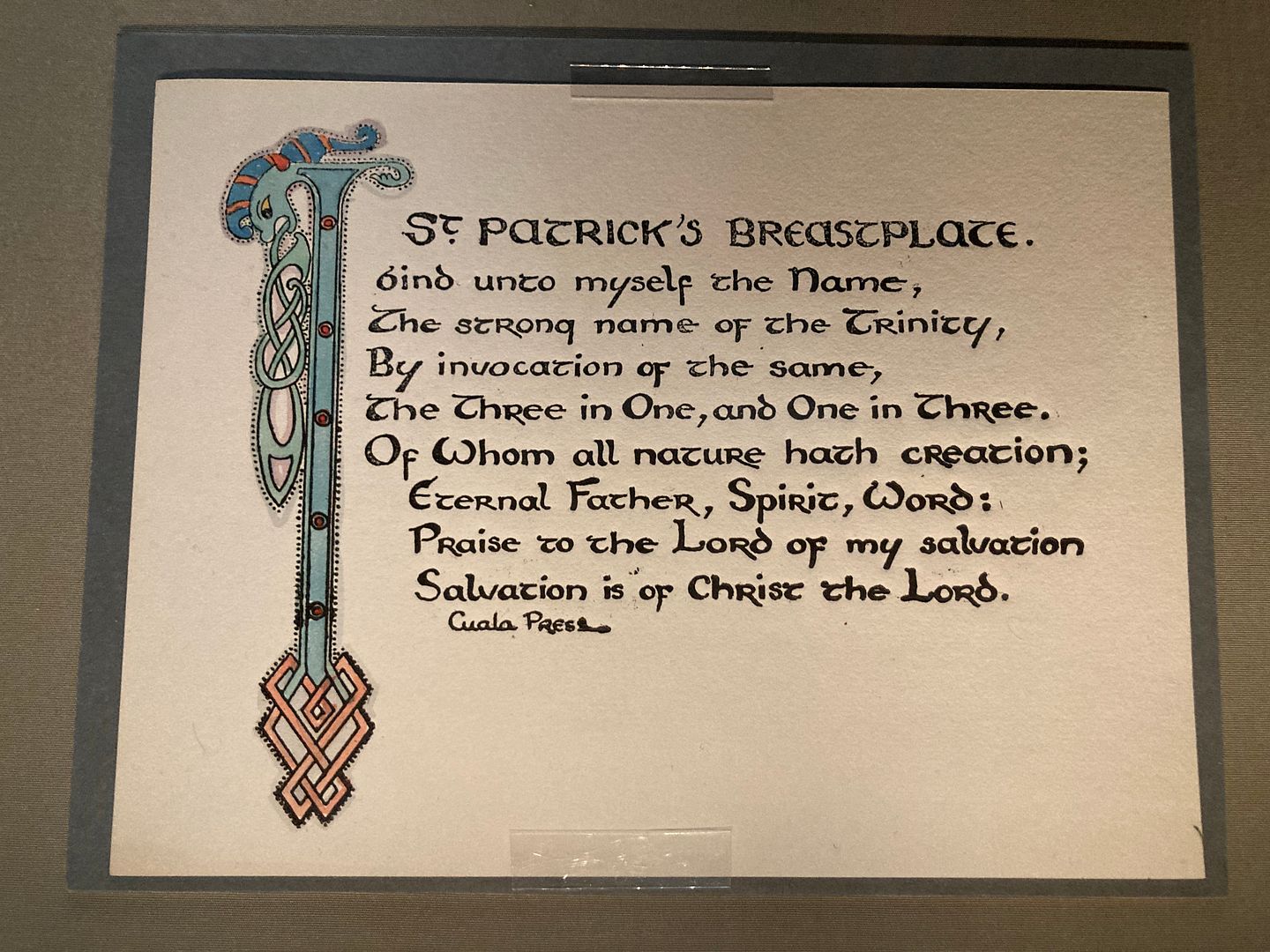
There was clearly a commitment here as well to increasing the representation of the contributions of women. They were adding busts of women who contributed to academia to the rows of male faces, and there was a huge display of these hand-painted photo engravings that the Yeats sisters made and brought to press.
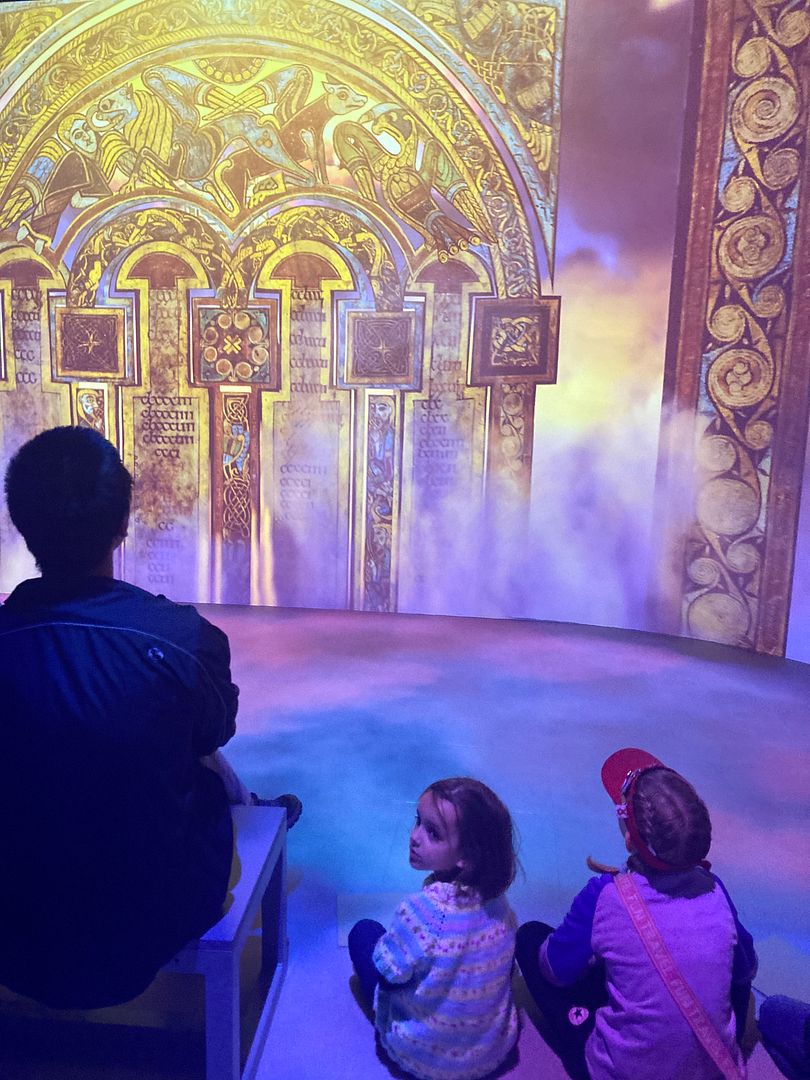
The Long Room was the last thing to see in the Old Library itself. The Experience continued in a new-purpose-made building, looking as out of place as a couple of painted seacans, which contained more immersive multimedia presentations. I’m not going to lie, after seeing the real thing all the videos and fiberglass were a bit of a letdown. But I could see what they were trying to do. These displays communicated how many of their beautiful volumes have been digitized and are now free to access online, and sort of brought together all the history that we’d been absorbing in these in-the-round immersive theatre things.
The moment that was most helpful, in all this fancy projection, was one line. In the 360 theatre, the narrator said, “Even the making of the book of Kells was an act of devotion.” That line stuck with me. The boggling amount of work that went into this illuminated manuscript was an act of devotion to the text of the Bible and the gospel story it tells. It left me asking, is my making an act of devotion? Could it be more so?
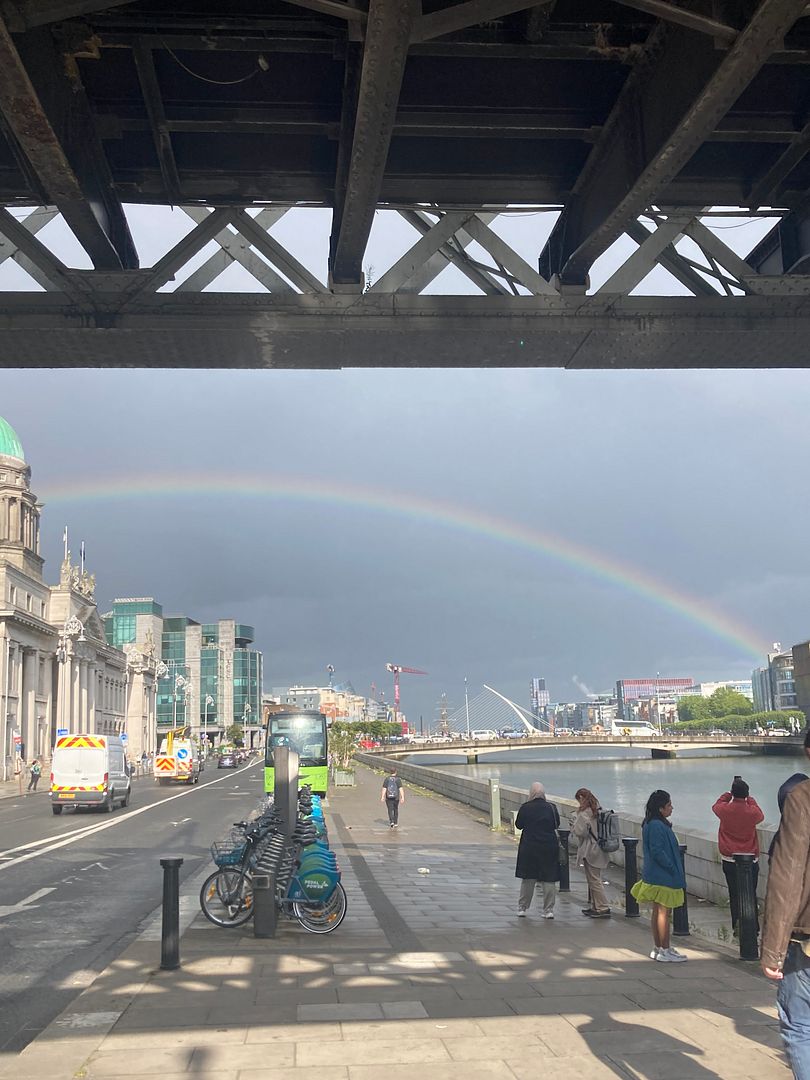
Our day was capped off with a rainbow over the River Liffey on the walk back to the train. We had mis-parked our car at the station and had to walk all the way back to the house, too, thankfully only a kilometer. We were exhausted emotionally, physically, and spiritually, but all really happy we had gone.
Farewell to the Emerald Isle
We got a little more time with our friends at the end of the visit, and saying goodbye was happy and sad.
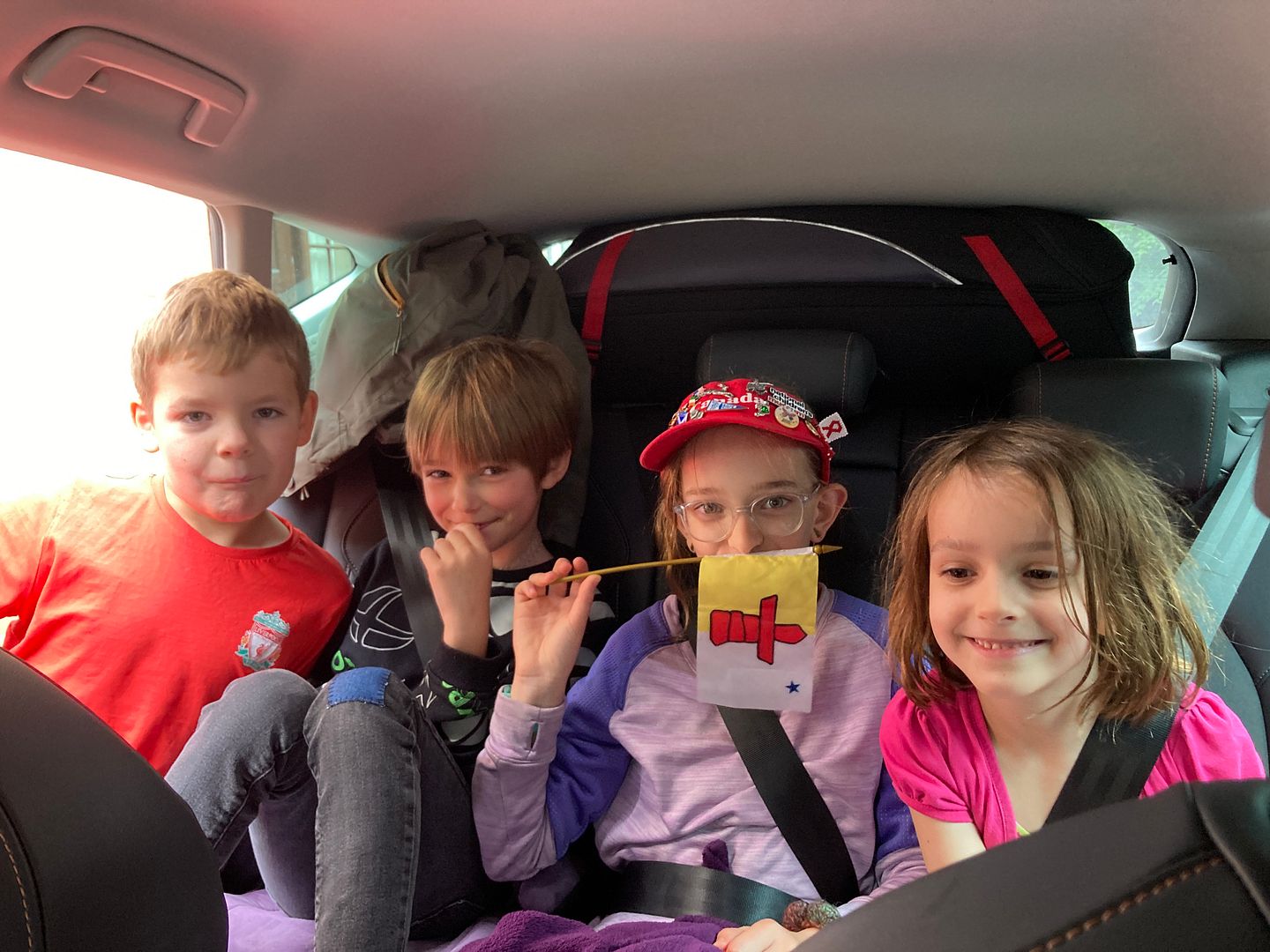
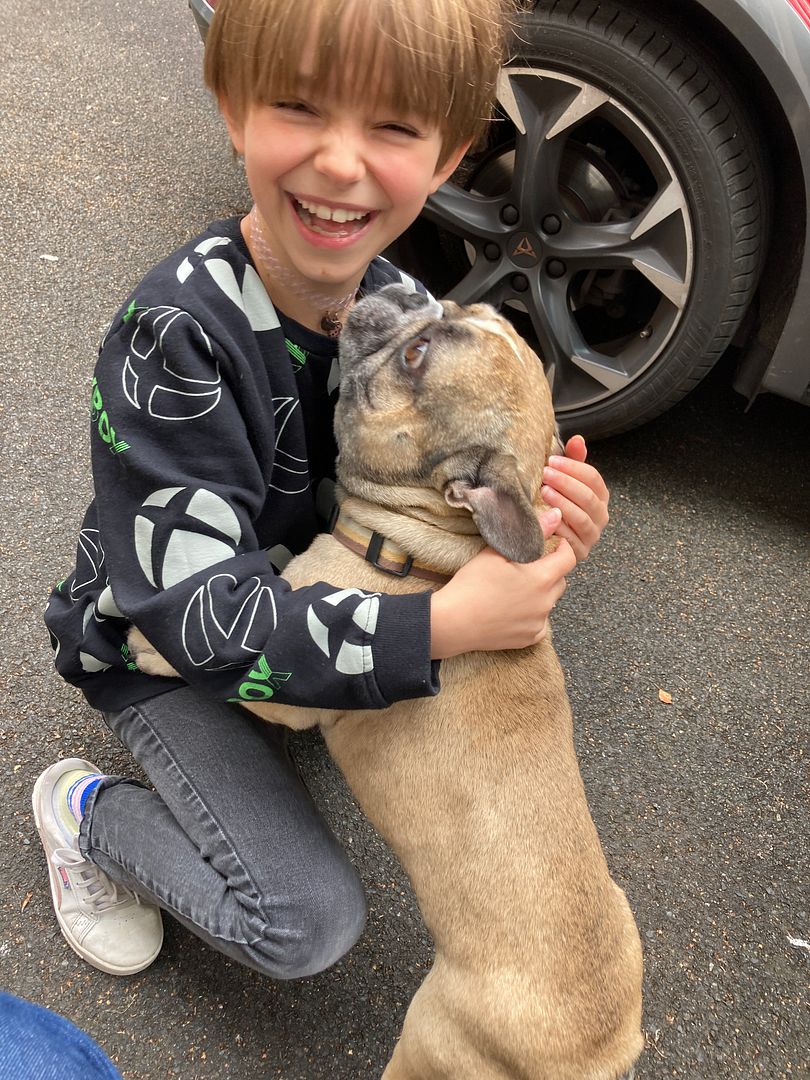
That’s all she wrote. We got on a plane, and have been back in North America ever since. Thanks again to our friends for making us at home for such a long time. We will treasure these memories, and look forward to meeting again.
 Osborn Fiber Studio
Thank you for sharing your family’s travels. I have been to some of these places in Scotland and Ireland and Northern Ireland, lovely to see them again. And new to me places too. It’s vicarious travel for me these days, I especially appreciate the fibre themed blogs, vlogs, podcasts, YouTube, insta and FB. See you next time!!
LikeLike